Public Distrust in the Government Runs Deep: Chief Adviser

- Update Time : 04:28:26 pm, Saturday, 14 June 2025
- / 656 Time View
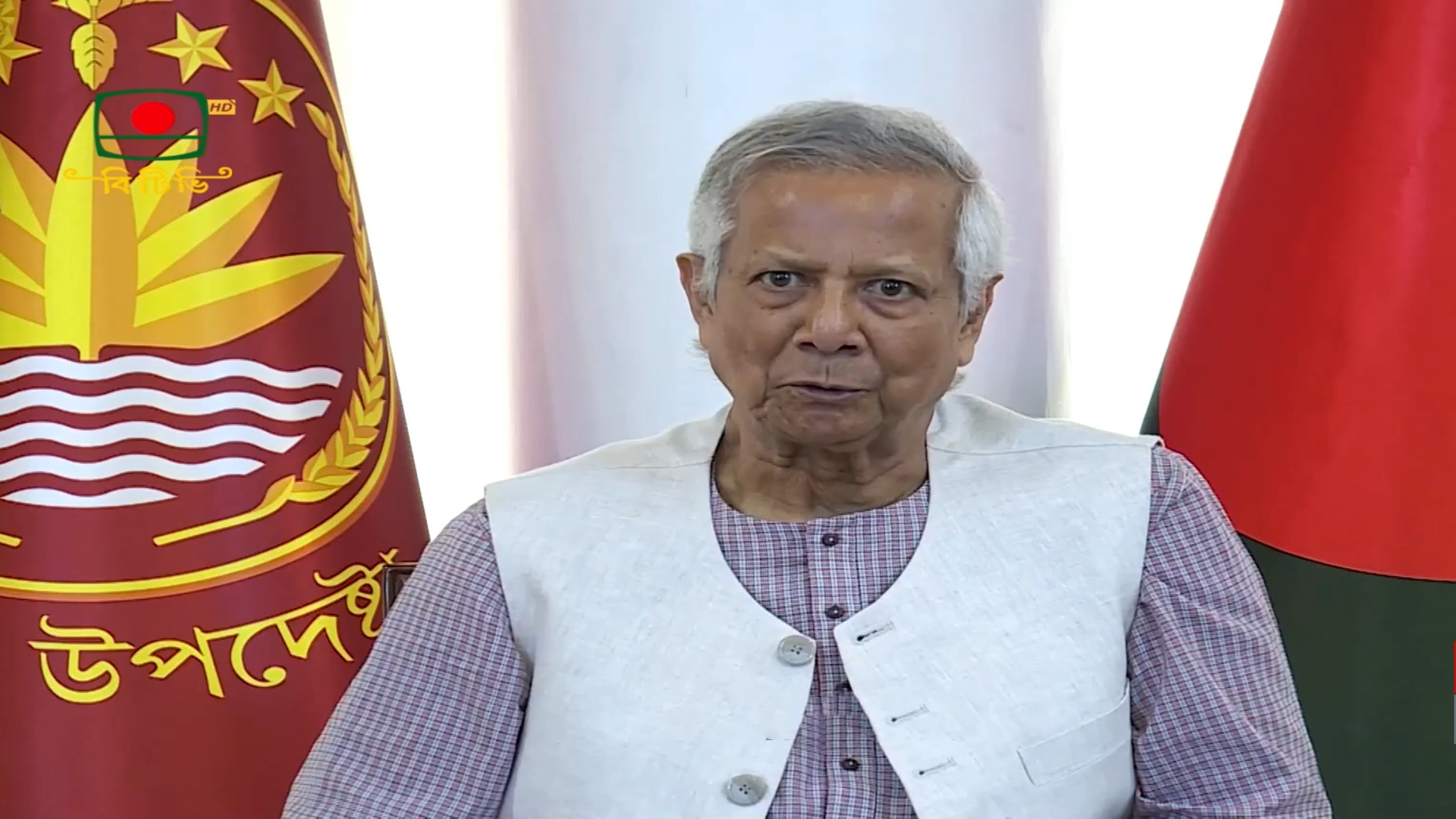

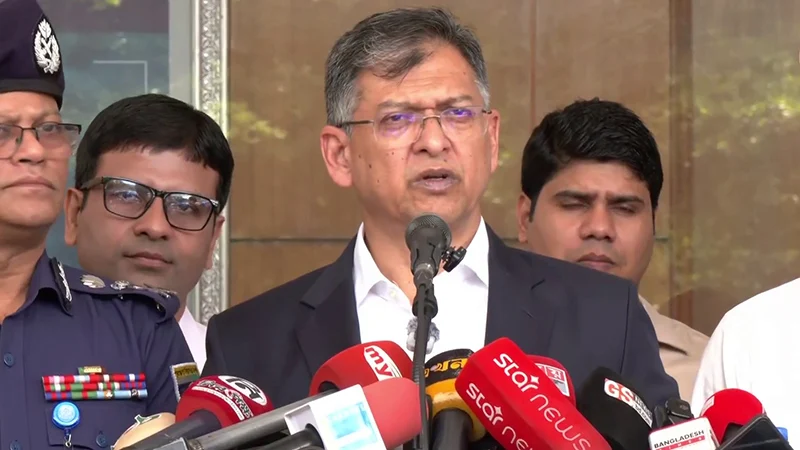
According to Bangladesh’s interim head of government, Dr. Muhammad Yunus, the public still perceives the state as an adversary, even a year after the political uprising that ousted the former Prime Minister. He emphasized that eliminating corruption at every level—from rural communities to the central administration—is the only path to restoring public trust and building what he calls a “new Bangladesh.”
Nobel Peace Prize laureate Yunus assumed leadership following the July student-led mass uprising that forced Sheikh Hasina from power. In an interview with The Guardian, Yunus expressed his desire to see the state take greater responsibility for its citizens, many of whom feel neglected and underserved.
He described a system overwhelmed by widespread corruption, where officials embezzle funds and bribes are expected for everything—from obtaining passports to securing business permits. “There’s always someone waiting to seize large sums of money,” he said. “People see the government as a permanent enemy, something they must struggle against every day. It’s a powerful enemy, and people prefer to distance themselves from it.”
While the protests initially erupted over the controversial quota system in government jobs, which disproportionately benefited allies of the ruling Awami League, they soon expanded to include broader frustrations over soaring living costs and the lack of opportunities for young people.
Under Hasina’s leadership, the country had grown increasingly authoritarian, with political repression and curbs on free expression. Corruption among the elite was also blamed for the collapse of parts of the banking system.
The uprisings in the summer of 2024 raised hopes for fundamental change in Bangladesh’s deeply polarized political landscape, long dominated by two rival parties: the Awami League and the Bangladesh Nationalist Party (BNP).
“When we started, we were dealing with a shattered economy and a broken society. The administrative system had collapsed,” Yunus recalled. “We didn’t even know if we could pay our bills. Enormous sums had been looted as if they belonged to no one—just taken. Banks handed out loans knowing they would never be repaid; they weren’t really loans, they were gifts.”
Several reform commissions set up by the interim government have since submitted proposals concerning elections, corruption, and public welfare. Yunus is now focused on forging political consensus around these reforms. He aims to finalize a “July Charter” before the first anniversary of the uprising, which would allow the country to move toward implementing these reforms ahead of April’s elections.
“This will be a historic document that will unite the people,” he said. “These are not superficial adjustments; the recommendations are fundamental. They’re not just about making minor improvements.”
“Our task is to implement these reforms and prepare the country to transition to a healthier, more functional system,” he added. “Only then can we say we are on the path to building a new Bangladesh.”
However, Yunus admitted that reaching such an agreement will not be easy.
The BNP, now the most powerful political force and the frontrunner in the upcoming election, is pushing for an early vote and opposes the proposed two-term limit for prime ministers. Yet Yunus expressed cautious optimism, noting that despite a history of bitter rivalry, the political parties have managed to cooperate more than expected in the current process.
He also hopes to shift the state’s role in providing services, especially in areas like healthcare, by promoting nonprofit social enterprises and expanding the reach of microfinance, a model he pioneered. Currently, microfinance is largely managed by NGOs that offer small loans to the poor to help them start businesses. Yunus envisions establishing specialized microfinance banks to formalize and expand the sector, reducing reliance on traditional banks that often exclude the poor.
While microfinance has faced criticism, partly due to high interest rates from some lenders, Yunus defended the model, emphasizing that it has been successfully replicated worldwide. “People think it extracts money from the poor, but that’s not true. It’s been unfairly given a bad name,” he said. “There’s nothing inherently wrong with microfinance.”
Yunus has long been critical of mainstream banking, which he argues systematically denies access to the poor. The financial sector also suffered last year when large, politically connected loans went unpaid, leading to liquidity crises that prevented many citizens from withdrawing their savings.
Just a year ago, Yunus was a vocal critic of Hasina and was frequently targeted by her government. His sudden elevation to interim leadership was unexpected. He has made it clear that he has no intention of remaining in power after the upcoming April elections but is committed to navigating the country through this turbulent period and ensuring key reforms are enacted.
“I used to be attacked by the Awami League and their leaders. Now I get attacked by everyone—it’s open season,” Yunus remarked. “That’s part of this role. When you hold this position, you have to accept that people will have strong opinions about you. You have to deal with it.”
He concluded, “We will have an elected government in April, and then our time here will be done.”