Cairo Leads in Air Pollution, Dhaka Not Far Behind

- Update Time : 04:49:46 am, Wednesday, 8 October 2025
- / 934 Time View
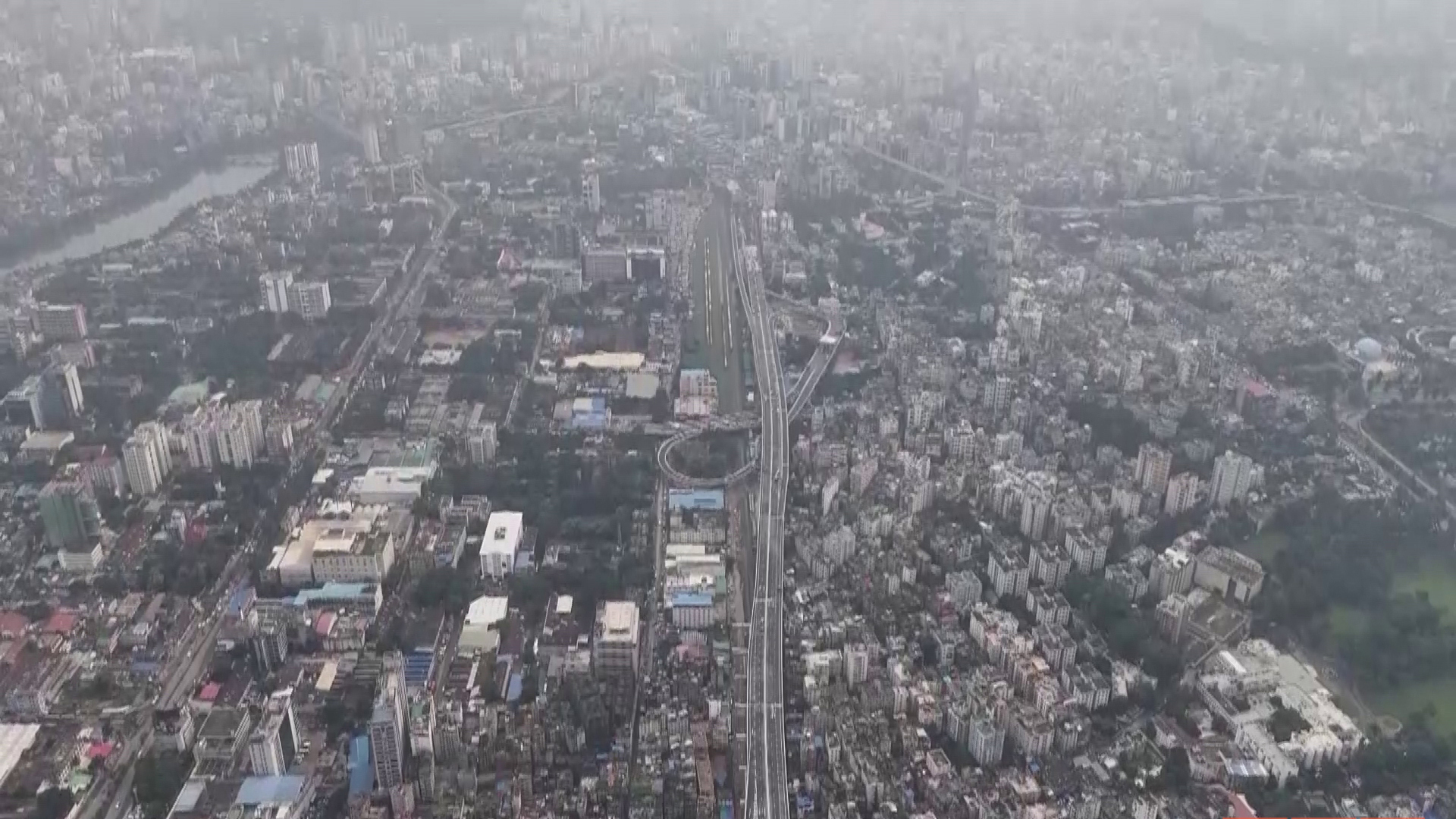

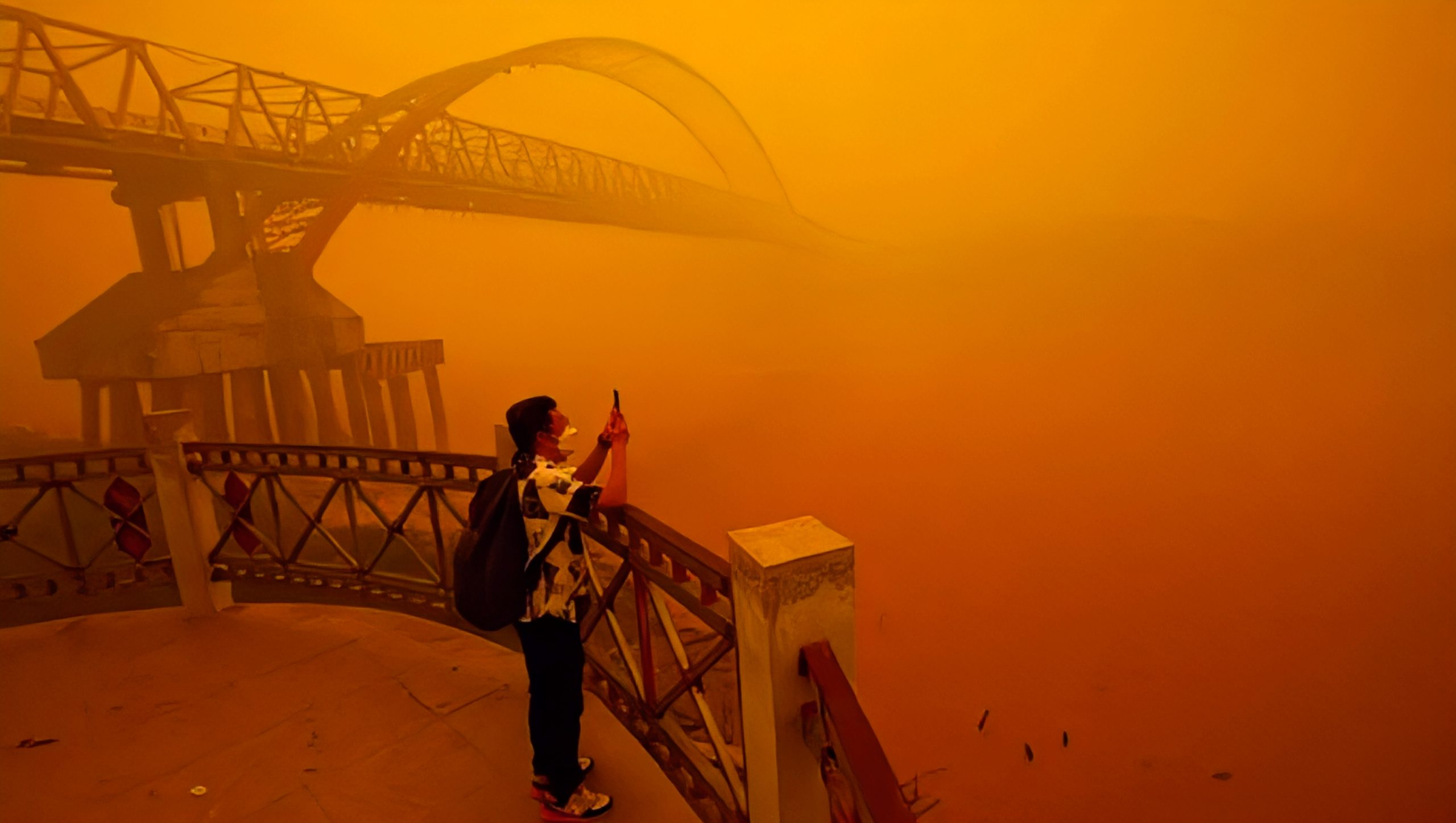
Air pollution continues to rise across major cities around the world, fueled not only by climate change but also by rapid urbanization and industrial activities. Dhaka, one of the world’s largest megacities, has long struggled with poor air quality. Recently, the capital’s air has shown slight improvement due to rainfall, though it still frequently slips back into unhealthy levels.
According to data from the global air quality monitoring platform IQAir, recorded at 7:41 a.m. on Wednesday (October 8), Dhaka ranked 7th among the most polluted cities in the world, with an AQI score of 129, categorized as “unhealthy for sensitive groups.”
At the same time, Cairo, Egypt, topped the global pollution chart with a score of 181, followed by Manama (Bahrain) at 176, Kolkata (India) at 157, Doha (Qatar) at 156, and Kampala (Uganda) with 152.
For reference, an AQI (Air Quality Index) score of 0–50 is considered good, 51–100 moderate, and 101–150 unhealthy for sensitive individuals such as children and the elderly. Scores between 151–200 are labeled unhealthy, while 201–300 is regarded as very unhealthy.
During very unhealthy conditions, health experts advise vulnerable groups to remain indoors and limit outdoor activities for others. When the AQI reaches 301–400, it is classified as hazardous, posing serious health risks for all residents.
Despite recent showers bringing temporary relief, environmental experts warn that without strict pollution control and sustainable urban planning, Dhaka’s air quality may continue to fluctuate between unhealthy and dangerous levels.