Dhaka’s Air Quality Turns Hazardous for First Time Since Monsoon

- Update Time : 05:52:26 am, Thursday, 14 August 2025
- / 381 Time View
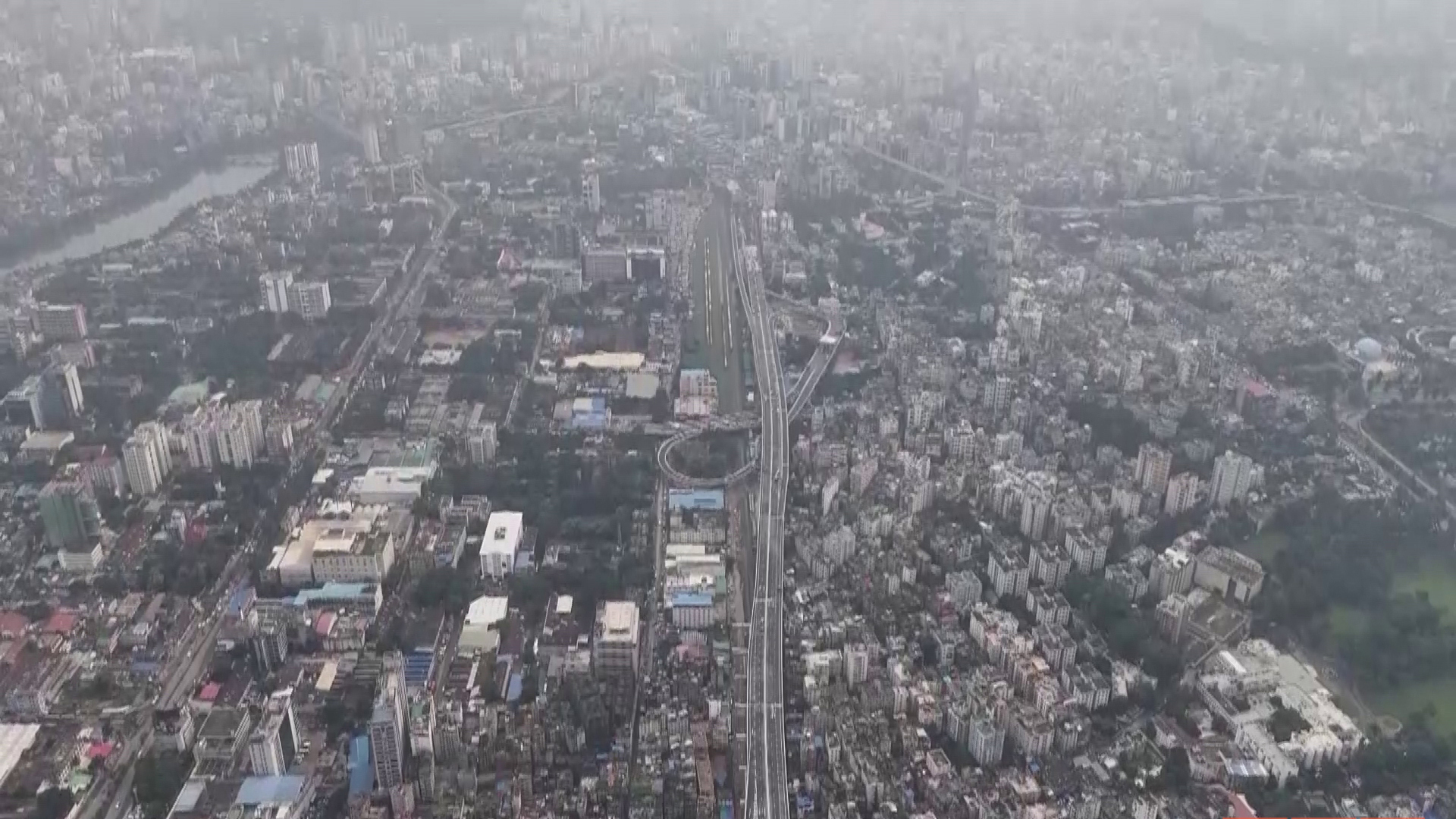

Dhaka, which frequently tops the list of the world’s most polluted cities, had enjoyed relatively cleaner air since the start of the monsoon season, with many days falling into the “moderate” or even “good” category. However, on Thursday, August 14, the capital’s air quality saw a sudden and significant decline, with harmful particulate levels rising sharply.
According to Swiss-based air monitoring company IQAir, Dhaka recorded an Air Quality Index (AQI) score of 110 at 8:15 AM on Thursday, a level considered unhealthy for sensitive groups. This placed the city eighth on the global pollution ranking. By comparison, on Wednesday, August 13, Dhaka’s score was 93, ranking it 15th.
At the top of Thursday’s list was Hanoi, Vietnam, with an AQI of 166, classified as unhealthy for all residents. Other cities in the top five included Kinshasa, DR Congo (159), Lahore, Pakistan (127), Tehran, Iran (122), and Kampala, Uganda (119).
IQAir reports that ultra-fine particulate matter is the primary pollutant in Dhaka’s air. Elevated pollution levels increase the risk of respiratory illnesses, cardiovascular diseases, and long-term threats such as cancer.
The AQI scale categorizes scores as follows:
0–50: Good
51–100: Moderate
101–150: Unhealthy for sensitive groups
151–200: Unhealthy for all
201–300: Very unhealthy (outdoor activities discouraged for all, especially children, elderly, and those with illnesses)
301–400: Hazardous (severe health risks for the entire population)
A British Medical Journal (BMJ) study published in November 2023 found that air pollution from fossil fuels causes an estimated 5.2 million deaths annually worldwide. The World Health Organization (WHO) reports that combined household and ambient air pollution contributes to around 6.7 million deaths each year globally.