Dhaka 11:22 am, Tuesday, 23 June 2026

Shutdown of Over 100 Garment Factories in Six Months

Reporter Name
  • Update Time : 08:34:51 am, Monday, 6 January 2025
  • / 451 Time View

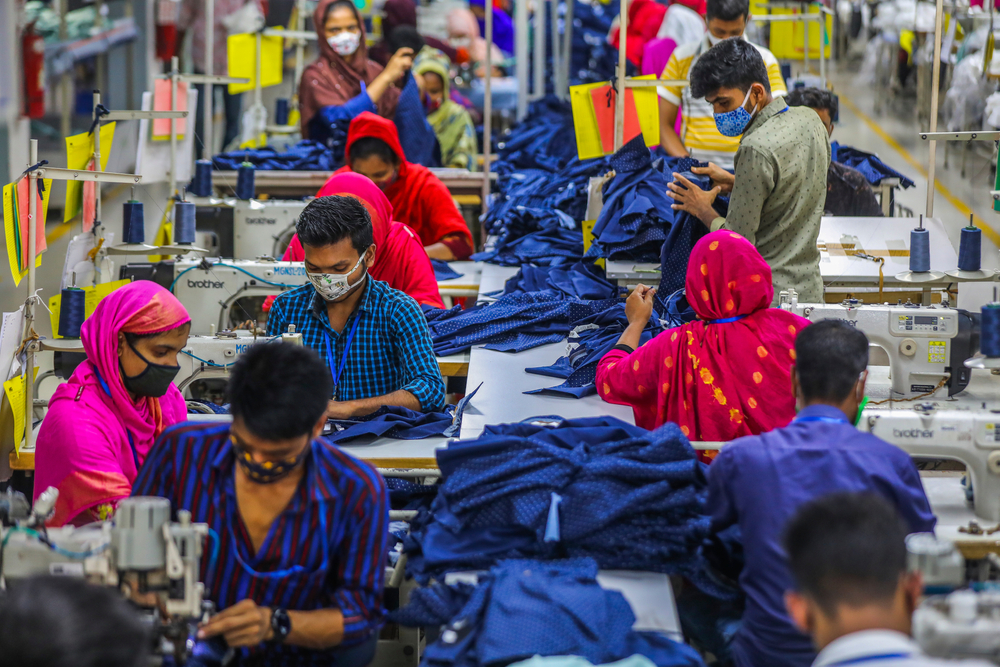
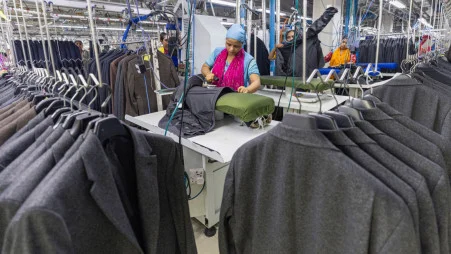
The closure of numerous factories in the country over the past six months has had a significant impact on investment, with private sector loan growth reaching its lowest level in 42 months. The rise in interest rates has led to a decline in the establishment of new factories, which, in turn, has reduced the import of capital machinery. Experts warn that this will negatively affect employment and tax collection, posing a threat to the country’s economy. Over 100 garment factories and several textile mills have shut down recently, alongside many factories in the cement, steel, and paper industries. Political instability, market volatility, high-interest rates, a shortage of raw materials, worker dissatisfaction, and insufficient factory production have all contributed to the closures. Furthermore, entrepreneurs are hesitant to invest, resulting in stagnant investment. Data from the Bangladesh Bank shows that the growth rate of private sector loans decreased to 7.66% in November 2024, falling short of the central bank’s target for the fiscal year. Similarly, imports of capital machinery decreased by nearly 22%, and foreign direct investment dropped by 8.8%. Unemployment has also risen, with the number of jobless individuals reaching 26.4 million in June 2024. Experts emphasize that political stability and consistent electricity supply are essential to improve the investment climate. Additionally, the import of goods, particularly through LC settlements, has declined, reflecting the overall economic slowdown.


Please Share This Post in Your Social Media

Shutdown of Over 100 Garment Factories in Six Months

Update Time : 08:34:51 am, Monday, 6 January 2025

The closure of numerous factories in the country over the past six months has had a significant impact on investment, with private sector loan growth reaching its lowest level in 42 months. The rise in interest rates has led to a decline in the establishment of new factories, which, in turn, has reduced the import of capital machinery. Experts warn that this will negatively affect employment and tax collection, posing a threat to the country’s economy. Over 100 garment factories and several textile mills have shut down recently, alongside many factories in the cement, steel, and paper industries. Political instability, market volatility, high-interest rates, a shortage of raw materials, worker dissatisfaction, and insufficient factory production have all contributed to the closures. Furthermore, entrepreneurs are hesitant to invest, resulting in stagnant investment. Data from the Bangladesh Bank shows that the growth rate of private sector loans decreased to 7.66% in November 2024, falling short of the central bank’s target for the fiscal year. Similarly, imports of capital machinery decreased by nearly 22%, and foreign direct investment dropped by 8.8%. Unemployment has also risen, with the number of jobless individuals reaching 26.4 million in June 2024. Experts emphasize that political stability and consistent electricity supply are essential to improve the investment climate. Additionally, the import of goods, particularly through LC settlements, has declined, reflecting the overall economic slowdown.