Cornell urges Bangladesh to adopt annual wage review for garment workers

- Update Time : 01:09:05 pm, Friday, 21 February 2025
- / 581 Time View


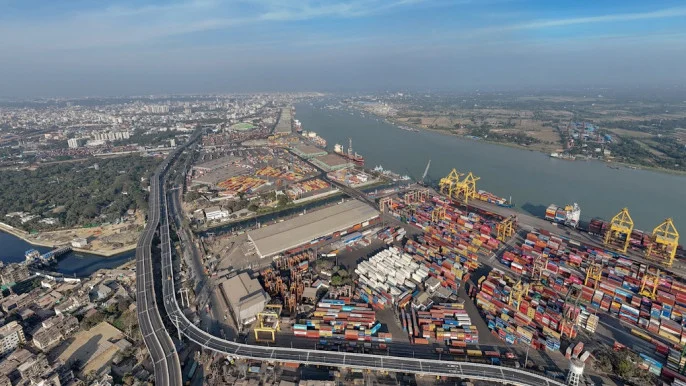
Researchers from Cornell University’s Global Labor Institute (GLI) have urged Bangladesh’s new government to implement an annual wage review for garment workers, similar to Cambodia’s policy. In a press release on February 20, GLI highlighted that Bangladesh’s current system, which reviews wages every five years, leaves workers struggling as inflation erodes their earnings. The RMG sector, which contributes over 80% of Bangladesh’s exports and employs around four million workers, currently has a minimum wage of Tk12,500 ($105), set last year.
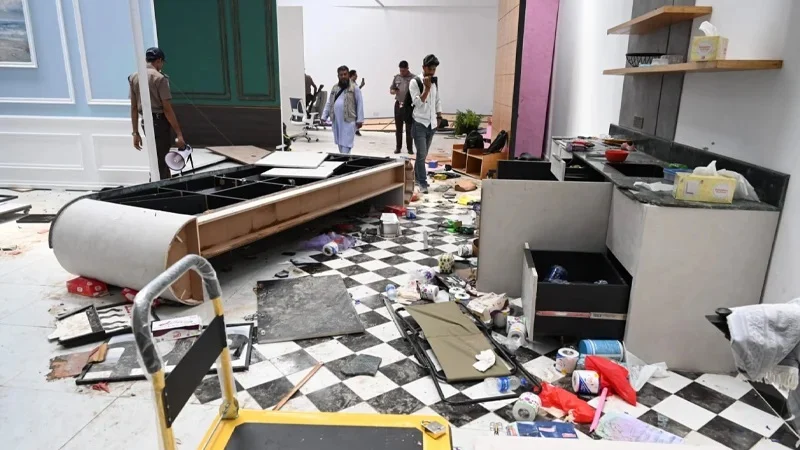
GLI’s executive director, Jason Judd, emphasized that a delayed wage-setting process harms workers, noting Cambodia faced similar challenges a decade ago but introduced an annual wage review after protests. A recent GLI report, Waiting Game: Minimum wage-setting in Bangladesh’s apparel industry, argues that an annual wage-setting process is both politically and economically necessary. Experts, including Syed Sultan Uddin Ahmed of the Bangladesh Institute of Labour Studies, support this approach, stating that inflation should be factored into wage adjustments.
Under current laws, Bangladeshi garment workers receive a 5% annual wage increase on their basic pay. However, with inflation hovering around 10% for three consecutive years, this increment has not kept pace with rising living costs. The GLI report points out that despite Cambodia’s annual wage hikes, its apparel exports continued to grow, though it does not address the responsibilities of global buyers.
While the Bangladesh government increased the minimum wage by 56% in 2024, factory owners argue that rising production costs have not been matched by higher prices from buyers. Some industry leaders, like former BGMEA director Shams Mahmud, believe Bangladesh’s conditions differ from Cambodia’s, making a direct policy comparison inappropriate. He emphasized that local garment workers already receive annual pay increases and additional support from factories, questioning the necessity of further reforms.