Dhaka 9:57 am, Tuesday, 23 June 2026

Inflated Growth Figures in Bangladesh: Real Reforms Are Crucial – Debapriya Bhattacharya

Reporter Name
  • Update Time : 05:10:49 pm, Tuesday, 17 December 2024
  • / 404 Time View

Dr. Debapriya Bhattacharya, a prominent economist, stated that Bangladesh remains trapped in the middle-income trap due to low productivity in the industrial, agricultural, and service sectors. He made these remarks on Tuesday while speaking as the keynote speaker at a roundtable discussion organized by Diplomat World at the Foreign Service Academy in Dhaka.

Dr. Debapriya emphasized that reforms will not be successful unless the country moves beyond the culture of associating a change in government with a change in governance systems. He highlighted the over-dependence of the country’s export sector on garments and stressed the need for export diversification to ensure a sustainable economy. He suggested incentives to boost growth in sectors like jute, leather, and IT.

He further noted the decline in education quality, with spending in this sector being below 2% of GDP, the lowest among peer countries. Visible results from reforms, he explained, would encourage people to remain patient with elections and the elected government. Instead of establishing universities in districts, he called for a focus on improving the quality of primary education.

As the head of the white paper committee on corruption, Dr. Debapriya revealed that migration costs for Bangladeshis are three times higher than in Nepal due to corruption, where syndicates exploit migrant workers. Additionally, he pointed out that unplanned urbanization and industrialization have exacerbated challenges in traffic management, law enforcement, and citizen services, further complicating Bangladesh’s escape from the middle-income trap.

Dr. Debapriya expressed disappointment over the formation of a 17-member committee by the Planning Commission to investigate data manipulation in national indices, claiming it lacks relevance to the recommendations in the corruption white paper. He criticized the inclusion of officials and institutions with little technical expertise and a history of data tampering. Referring to the unusual consensus among economists in Bangladesh, he humorously called it “Dhaka consensus,” stating that where three economists exist, four opinions should arise.

He pointed to the absence of private investment and warned that declining domestic demand could negatively impact GDP. According to him, business leaders hesitate to transition from middle-income to developing country status due to the loss of quota benefits and other incentives. However, he questioned whether delaying the transition beyond the December 2026 deadline would bring any significant change, suggesting that improvements in key economic indicators are necessary for achieving this goal.

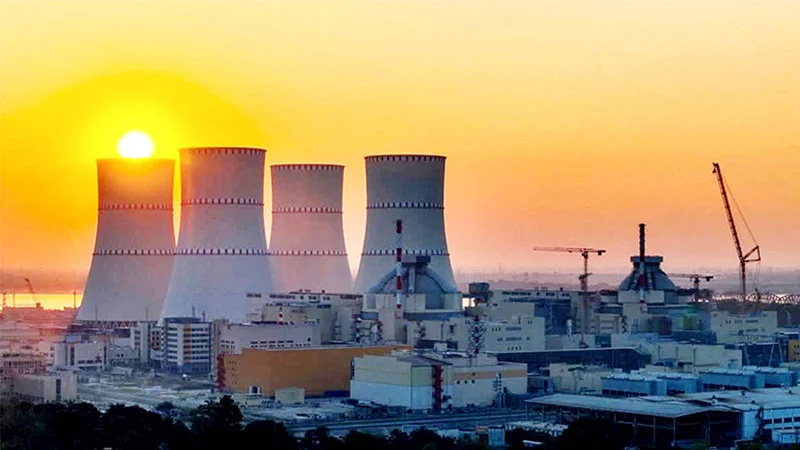
He warned that failure to meet the criteria might lead to an extension, but remarked that political rhetoric could shift blame for economic failures. Highlighting systemic issues, he mentioned the existence of a “vicious cycle” involving bureaucrats, politicians, and business leaders. He cited a case of a single businessperson defaulting on loans worth Tk 50,000 crore as an example of economic mismanagement. He also criticized inflated economic data, pointing out that while power generation increased assuming a 9% growth rate, more than half of the capacity remains unused.

The event was attended by former and current diplomats.

Please Share This Post in Your Social Media

Inflated Growth Figures in Bangladesh: Real Reforms Are Crucial – Debapriya Bhattacharya

Update Time : 05:10:49 pm, Tuesday, 17 December 2024

Dr. Debapriya Bhattacharya, a prominent economist, stated that Bangladesh remains trapped in the middle-income trap due to low productivity in the industrial, agricultural, and service sectors. He made these remarks on Tuesday while speaking as the keynote speaker at a roundtable discussion organized by Diplomat World at the Foreign Service Academy in Dhaka.

Dr. Debapriya emphasized that reforms will not be successful unless the country moves beyond the culture of associating a change in government with a change in governance systems. He highlighted the over-dependence of the country’s export sector on garments and stressed the need for export diversification to ensure a sustainable economy. He suggested incentives to boost growth in sectors like jute, leather, and IT.

He further noted the decline in education quality, with spending in this sector being below 2% of GDP, the lowest among peer countries. Visible results from reforms, he explained, would encourage people to remain patient with elections and the elected government. Instead of establishing universities in districts, he called for a focus on improving the quality of primary education.

As the head of the white paper committee on corruption, Dr. Debapriya revealed that migration costs for Bangladeshis are three times higher than in Nepal due to corruption, where syndicates exploit migrant workers. Additionally, he pointed out that unplanned urbanization and industrialization have exacerbated challenges in traffic management, law enforcement, and citizen services, further complicating Bangladesh’s escape from the middle-income trap.

Dr. Debapriya expressed disappointment over the formation of a 17-member committee by the Planning Commission to investigate data manipulation in national indices, claiming it lacks relevance to the recommendations in the corruption white paper. He criticized the inclusion of officials and institutions with little technical expertise and a history of data tampering. Referring to the unusual consensus among economists in Bangladesh, he humorously called it “Dhaka consensus,” stating that where three economists exist, four opinions should arise.

He pointed to the absence of private investment and warned that declining domestic demand could negatively impact GDP. According to him, business leaders hesitate to transition from middle-income to developing country status due to the loss of quota benefits and other incentives. However, he questioned whether delaying the transition beyond the December 2026 deadline would bring any significant change, suggesting that improvements in key economic indicators are necessary for achieving this goal.

He warned that failure to meet the criteria might lead to an extension, but remarked that political rhetoric could shift blame for economic failures. Highlighting systemic issues, he mentioned the existence of a “vicious cycle” involving bureaucrats, politicians, and business leaders. He cited a case of a single businessperson defaulting on loans worth Tk 50,000 crore as an example of economic mismanagement. He also criticized inflated economic data, pointing out that while power generation increased assuming a 9% growth rate, more than half of the capacity remains unused.

The event was attended by former and current diplomats.