Further Cuts to Export Cash Incentives Unlikely Ahead of LDC Graduation

- Update Time : 04:09:14 am, Saturday, 9 August 2025
- / 389 Time View

Government prioritizes supporting trade amid global uncertainties and regional tensions
Officials say it is improbable that Bangladesh will reduce export cash incentives any further before its anticipated graduation from the Least Developed Countries (LDC) group, as the government focuses on bolstering trade and industry in the face of ongoing global trade challenges.
To mitigate the negative impacts of tariff disputes and strained relations with neighboring countries, the current interim administration has maintained cash incentive rates at the levels set in January 2024 for the first half of the current fiscal year.
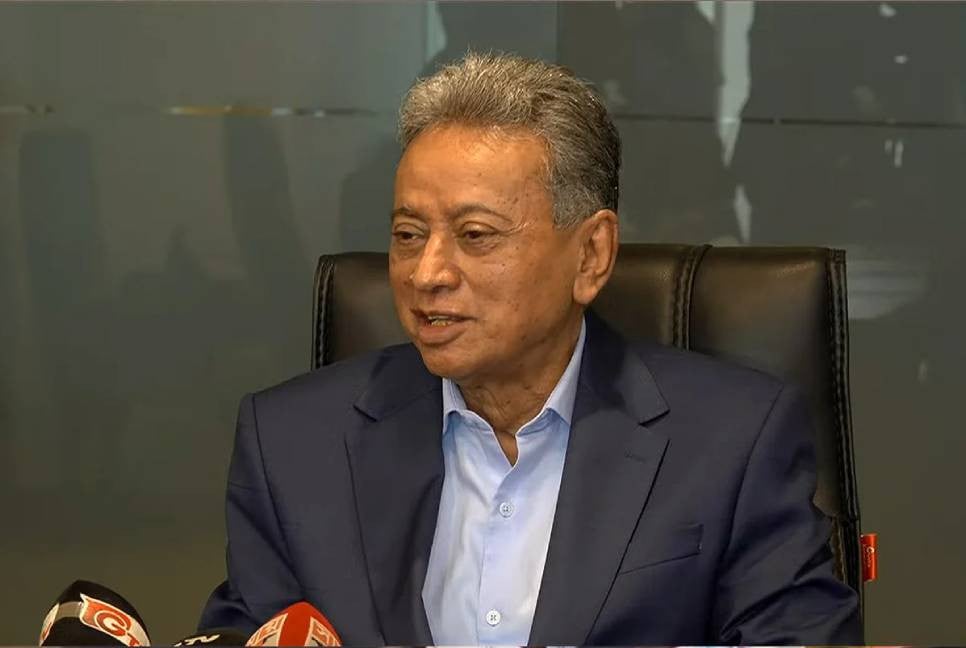
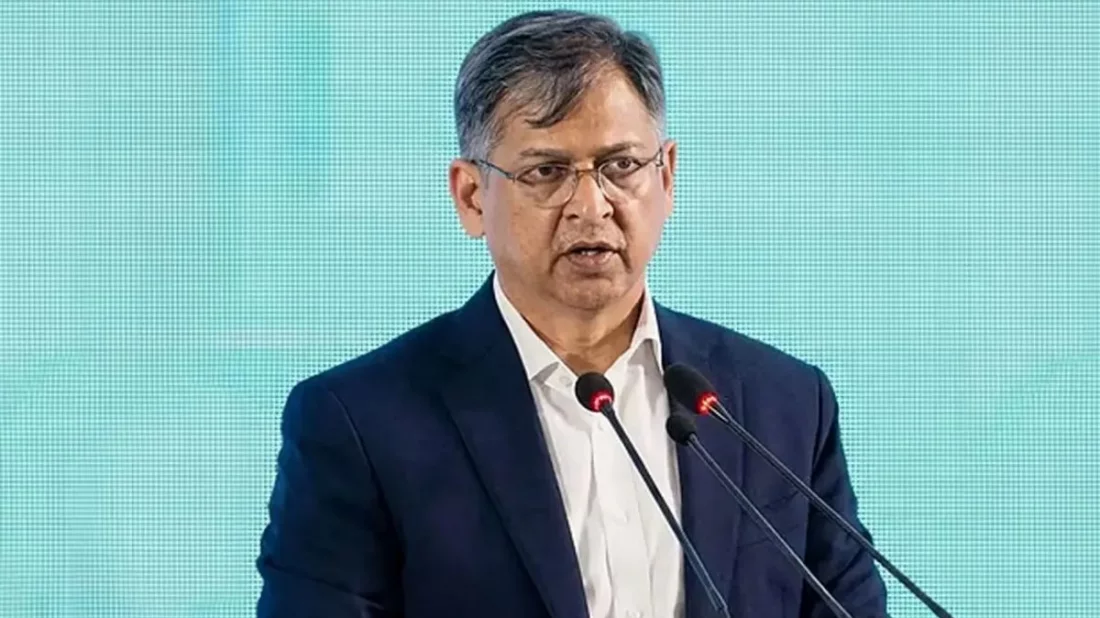
Finance Secretary Dr. Md Khairuzzaman Mozumder recently explained that the government originally planned to phase out cash incentives gradually in four stages, to avoid sudden shocks to businesses after Bangladesh’s scheduled graduation in November 2026.
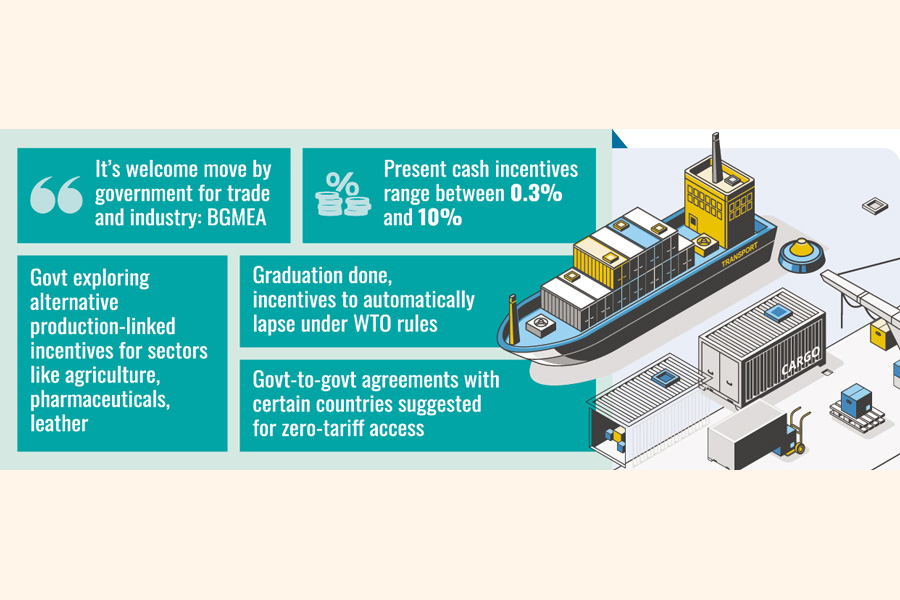
However, given the prevailing uncertainties in international trade, the government is reconsidering whether to delay the reduction of these incentives until after graduation. Additionally, Dr. Mozumder noted that alternative support mechanisms are being explored, such as production-linked incentives targeting promising sectors like agriculture, pharmaceuticals, leather, and jute products.
A senior official present at the discussions told the Financial Express that no further cuts to cash incentives are expected before Bangladesh’s status change.
“While we approach graduation from the LDC group, the current global trade environment is unfavorable. Therefore, it is unlikely the government will reduce cash incentives with only a few months remaining,” the official said.
Following graduation, Bangladesh will be required to align with World Trade Organization (WTO) rules, which prohibit export subsidies such as cash incentives for developing countries.
The government began adjusting export subsidies in January 2024 by lowering rates across 43 product categories, reducing incentives to a range between 1% and 15%. The second phase brought rates down further to between 0.3% and 10%, which triggered strong objections from industry stakeholders demanding the previous higher rates be restored.
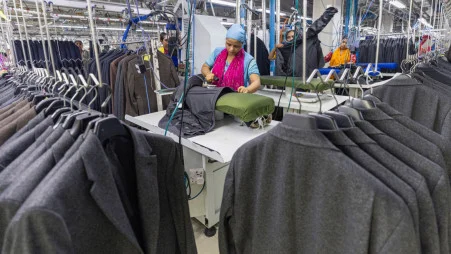
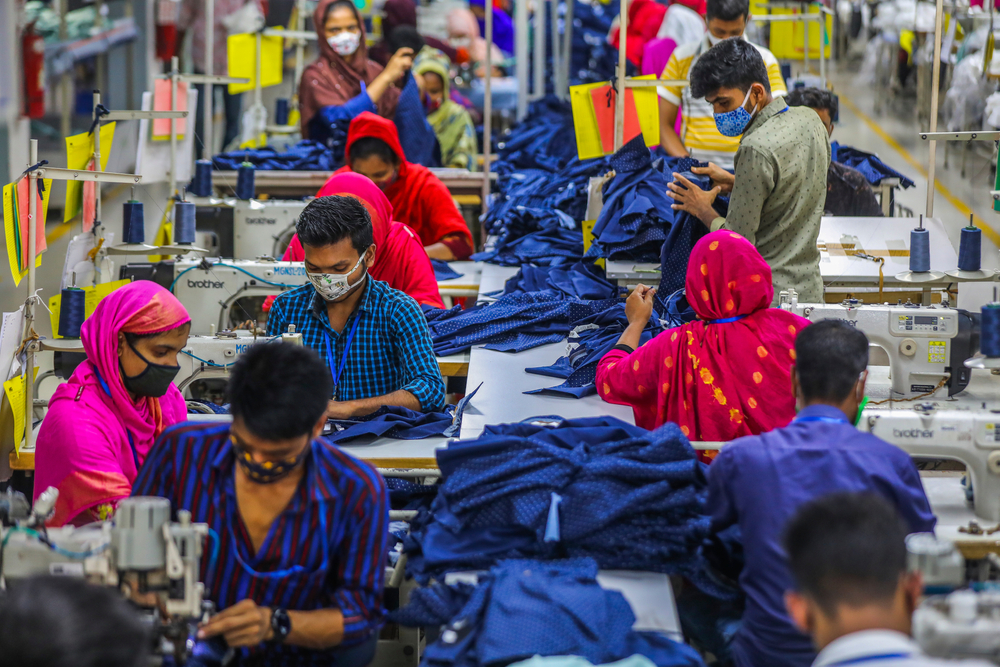
Mahmud Hasan Khan, president of the Bangladesh Garment Manufacturers and Exporters Association (BGMEA), met with Finance Secretary Mozumder on June 25 to urge reinstating full cash incentives to help the apparel sector maintain competitiveness amid increasing global uncertainties.
Speaking to the Financial Express, Khan welcomed the government’s decision not to reduce incentives further, given the sector’s challenges and the global economic situation. He specifically called for restoring the special cash incentive for apparel from the current 0.3% back to 1%, after it was lowered from 0.5%.
Abdullah Hil Nakib, Deputy Managing Director of Team Group, emphasized the need for the government to facilitate exporters by other means rather than cutting cash incentives, noting that Bangladeshi exporters receive fewer supports compared to competitors abroad.
He suggested that the government focus on lowering bank interest rates to stimulate investment and job creation, and pursue bilateral agreements to secure zero-tariff access for exports.
Nakib also urged the government to devise ways to sustain export incentives beyond Bangladesh’s LDC graduation.