Dhaka 3:08 pm, Tuesday, 23 June 2026

Recovering Bangladesh: Challenges and progress

Niloy Mridha
  • Update Time : 11:15:58 am, Saturday, 16 August 2025
  • / 316 Time View

Navigating Global Shocks: Bangladesh’s Path to Resilient Growth

In today’s interconnected global economy, even minor disruptions in distant markets can have far-reaching consequences for developing countries like Bangladesh. As the nation continues to recover from the Covid-19 pandemic, it faces compounded challenges from geopolitical tensions, disrupted supply chains, and persistent inflation. Yet, within these challenges lie opportunities for those willing to pursue bold, adaptive, and strategically informed solutions.

The pandemic triggered a series of economic shocks: manufacturing slowed, shipping delays became common, and consumer demand shifted unpredictably. Just as stability appeared to return, the Russia–Ukraine conflict disrupted global markets again, driving up fuel prices and fracturing food supply chains.

Simultaneously, a gradual retreat from globalization has emerged. Countries are increasingly prioritizing self-sufficiency and reshoring production, while rising trade protectionism—through tariffs, export restrictions, and complex regulations—has made it harder for developing nations to maintain preferential market access.

Bangladesh’s Export Economy at a Crossroads

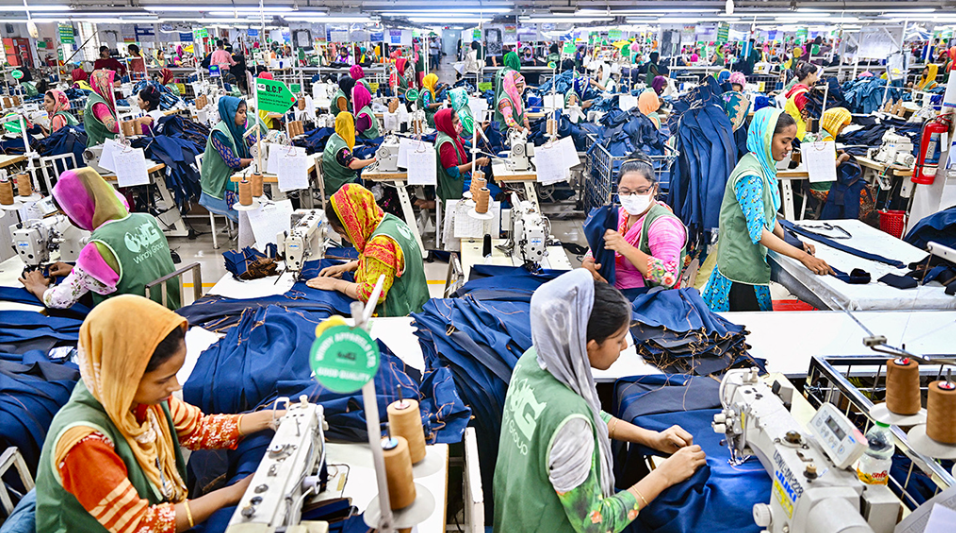
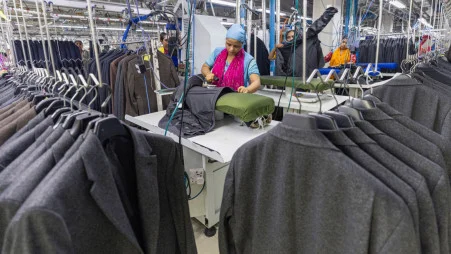
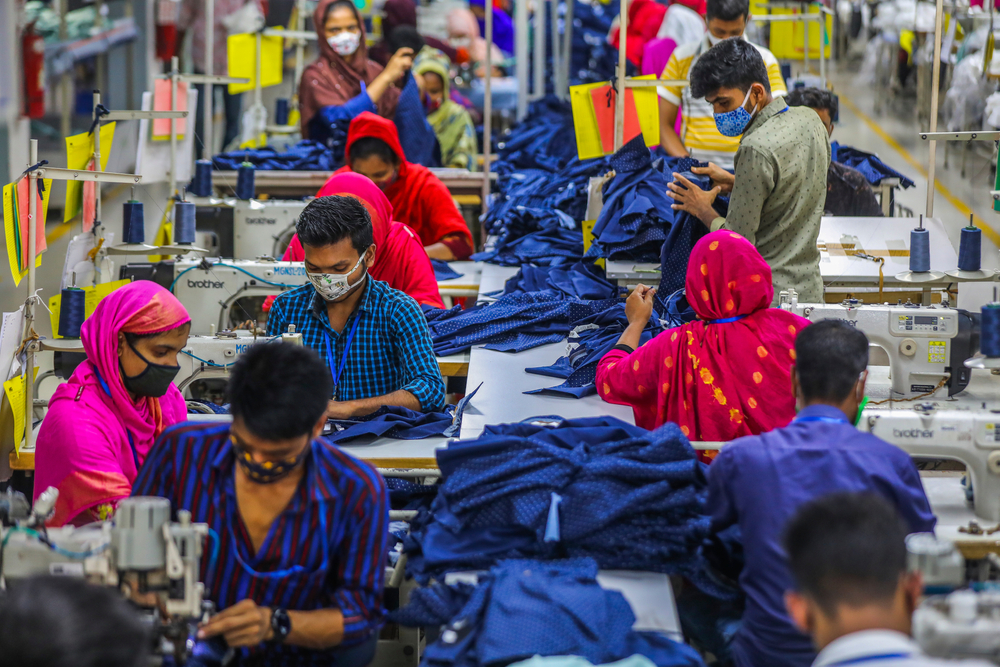
Bangladesh’s economy has long relied on its apparel sector, which generates over 80% of export earnings and employs more than four million workers, predominantly women. Historically, low labor costs, favorable trade agreements, and strong international demand fueled rapid growth. Today, these advantages are waning.

In the 2023–24 fiscal year, export performance fell short of expectations due to weakened demand in the European Union and the United States. Inflationary pressures and reduced discretionary spending abroad, coupled with rising domestic production costs from energy shortages, currency instability, and local inflation, have compounded the challenge.

The country’s upcoming graduation from least developed country (LDC) status in 2026 adds another layer of complexity. While a milestone achievement, it will gradually remove preferential trade terms, requiring exporters to compete on equal footing in highly competitive markets.

Structural domestic weaknesses further increase vulnerability. Over-reliance on apparel persists, while other sectors—such as leather, jute, and pharmaceuticals—remain underdeveloped due to limited research, constrained financing, and inconsistent policy support. Energy insecurity, bureaucratic hurdles, and logistical inefficiencies also impede growth. The banking sector’s governance issues and high non-performing loans limit credit access for small and medium enterprises (SMEs), which are essential for economic diversification.

Strategic Measures for Resilience

Bangladesh has historically demonstrated adaptability in times of crisis. Going forward, recovery must be guided by a forward-looking strategy aligned with global trade realities. Key steps include:

  1. Diversifying Exports: Sectors with competitive advantages—such as agro-processing, ICT, light engineering, and pharmaceuticals—should receive targeted incentives based on performance and potential.

  2. Strengthening Regional Trade: Enhanced integration with SAARC, BIMSTEC, and ASEAN, along with improved trade relations with neighbors like India and Nepal, can reduce dependence on western markets.

  3. Improving Business Climate: Streamlined taxation, digitized public services, and efficient port operations will lower costs and boost competitiveness. Infrastructure successes, such as the Padma Bridge and Dhaka Metro Rail, should be complemented with governance reforms to remove bureaucratic inefficiencies.

  4. Human Capital Development: As automation threatens low-skilled jobs and global buyers increasingly demand sustainable practices, the workforce must acquire technical and vocational skills relevant to emerging industries, from renewable energy to IT services.

  5. Banking Sector Reform: Stronger governance, expanded SME access to finance, and the development of capital markets can unlock domestic investment. Innovative financing models, including blended finance and impact investment, can mobilize private capital for national development goals.

Sustainable and Ethical Trade

Bangladesh’s future export competitiveness will depend on its alignment with sustainable trade standards. Ethical production, supply chain transparency, and adherence to environmental, social, and governance (ESG) norms are increasingly essential. The country already leads in green garment manufacturing, with the highest number of LEED-certified factories. Expanding this approach across other industries through a comprehensive green industrial policy—supported by incentives, skill-building, and public-private collaboration—can position Bangladesh as a responsible global exporter. Climate finance, carbon markets, and sustainable agriculture initiatives can further strengthen resilience.

Policy Coherence and Leadership

Long-term recovery depends on leadership capable of crafting and implementing a coherent economic vision, balancing growth with equity, and responding to global trade shifts. Institutionalized public-private collaboration, transparent policy-making, and structural reforms will be key.

Bangladesh has already demonstrated its ability to lift millions from poverty, establish a competitive industrial base, and deliver large-scale infrastructure under difficult conditions. The next phase requires recalibrating the economic framework to navigate global fragmentation, foster diversification, and pursue resilient, sustainable growth.

The road ahead will be complex. Global trade is entering a period of volatility and rapid change. Recovery must go beyond restoring pre-pandemic norms—it requires building a new economic model capable of facing future challenges. With decisive reforms, visionary leadership, and a focus on competitiveness and inclusion, Bangladesh can not only weather global turbulence but emerge stronger and more self-reliant.
Tag :

Please Share This Post in Your Social Media

Recovering Bangladesh: Challenges and progress

Update Time : 11:15:58 am, Saturday, 16 August 2025

Navigating Global Shocks: Bangladesh’s Path to Resilient Growth

In today’s interconnected global economy, even minor disruptions in distant markets can have far-reaching consequences for developing countries like Bangladesh. As the nation continues to recover from the Covid-19 pandemic, it faces compounded challenges from geopolitical tensions, disrupted supply chains, and persistent inflation. Yet, within these challenges lie opportunities for those willing to pursue bold, adaptive, and strategically informed solutions.

The pandemic triggered a series of economic shocks: manufacturing slowed, shipping delays became common, and consumer demand shifted unpredictably. Just as stability appeared to return, the Russia–Ukraine conflict disrupted global markets again, driving up fuel prices and fracturing food supply chains.

Simultaneously, a gradual retreat from globalization has emerged. Countries are increasingly prioritizing self-sufficiency and reshoring production, while rising trade protectionism—through tariffs, export restrictions, and complex regulations—has made it harder for developing nations to maintain preferential market access.

Bangladesh’s Export Economy at a Crossroads

Bangladesh’s economy has long relied on its apparel sector, which generates over 80% of export earnings and employs more than four million workers, predominantly women. Historically, low labor costs, favorable trade agreements, and strong international demand fueled rapid growth. Today, these advantages are waning.

In the 2023–24 fiscal year, export performance fell short of expectations due to weakened demand in the European Union and the United States. Inflationary pressures and reduced discretionary spending abroad, coupled with rising domestic production costs from energy shortages, currency instability, and local inflation, have compounded the challenge.

The country’s upcoming graduation from least developed country (LDC) status in 2026 adds another layer of complexity. While a milestone achievement, it will gradually remove preferential trade terms, requiring exporters to compete on equal footing in highly competitive markets.

Structural domestic weaknesses further increase vulnerability. Over-reliance on apparel persists, while other sectors—such as leather, jute, and pharmaceuticals—remain underdeveloped due to limited research, constrained financing, and inconsistent policy support. Energy insecurity, bureaucratic hurdles, and logistical inefficiencies also impede growth. The banking sector’s governance issues and high non-performing loans limit credit access for small and medium enterprises (SMEs), which are essential for economic diversification.

Strategic Measures for Resilience

Bangladesh has historically demonstrated adaptability in times of crisis. Going forward, recovery must be guided by a forward-looking strategy aligned with global trade realities. Key steps include:

  1. Diversifying Exports: Sectors with competitive advantages—such as agro-processing, ICT, light engineering, and pharmaceuticals—should receive targeted incentives based on performance and potential.

  2. Strengthening Regional Trade: Enhanced integration with SAARC, BIMSTEC, and ASEAN, along with improved trade relations with neighbors like India and Nepal, can reduce dependence on western markets.

  3. Improving Business Climate: Streamlined taxation, digitized public services, and efficient port operations will lower costs and boost competitiveness. Infrastructure successes, such as the Padma Bridge and Dhaka Metro Rail, should be complemented with governance reforms to remove bureaucratic inefficiencies.

  4. Human Capital Development: As automation threatens low-skilled jobs and global buyers increasingly demand sustainable practices, the workforce must acquire technical and vocational skills relevant to emerging industries, from renewable energy to IT services.

  5. Banking Sector Reform: Stronger governance, expanded SME access to finance, and the development of capital markets can unlock domestic investment. Innovative financing models, including blended finance and impact investment, can mobilize private capital for national development goals.

Sustainable and Ethical Trade

Bangladesh’s future export competitiveness will depend on its alignment with sustainable trade standards. Ethical production, supply chain transparency, and adherence to environmental, social, and governance (ESG) norms are increasingly essential. The country already leads in green garment manufacturing, with the highest number of LEED-certified factories. Expanding this approach across other industries through a comprehensive green industrial policy—supported by incentives, skill-building, and public-private collaboration—can position Bangladesh as a responsible global exporter. Climate finance, carbon markets, and sustainable agriculture initiatives can further strengthen resilience.

Policy Coherence and Leadership

Long-term recovery depends on leadership capable of crafting and implementing a coherent economic vision, balancing growth with equity, and responding to global trade shifts. Institutionalized public-private collaboration, transparent policy-making, and structural reforms will be key.

Bangladesh has already demonstrated its ability to lift millions from poverty, establish a competitive industrial base, and deliver large-scale infrastructure under difficult conditions. The next phase requires recalibrating the economic framework to navigate global fragmentation, foster diversification, and pursue resilient, sustainable growth.

The road ahead will be complex. Global trade is entering a period of volatility and rapid change. Recovery must go beyond restoring pre-pandemic norms—it requires building a new economic model capable of facing future challenges. With decisive reforms, visionary leadership, and a focus on competitiveness and inclusion, Bangladesh can not only weather global turbulence but emerge stronger and more self-reliant.