Dhaka 6:43 pm, Friday, 1 May 2026

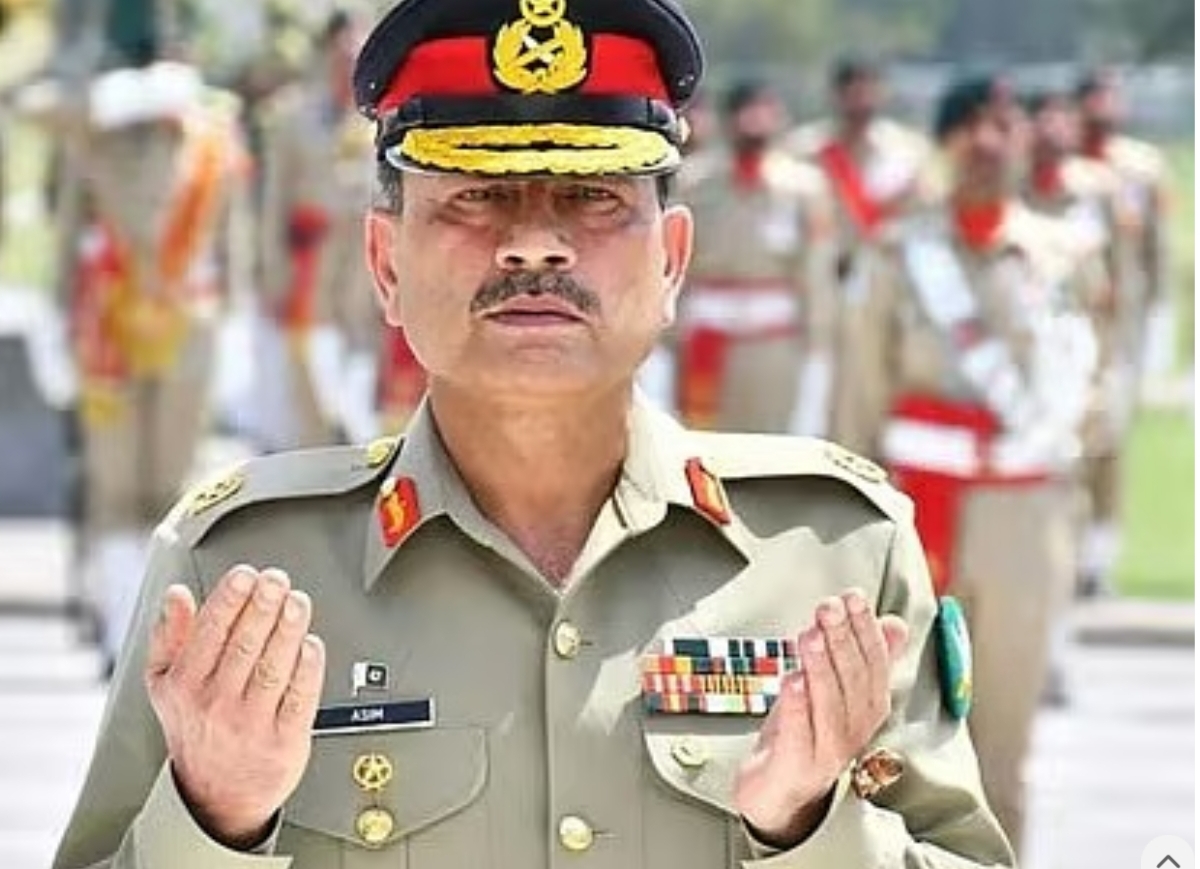
Asim Munir: Pakistan’s New Power Player

Staff Correspondent:
  • Update Time : 05:47:59 am, Wednesday, 3 December 2025
  • / 351 Time View

Pakistan remains a place where almost anything can happen.

In 1958, after seizing power through a military coup, Ayub Khan controversially promoted himself to Field Marshal, a rare and highly prestigious five-star rank normally reserved for exceptional wartime leadership.

Asim Munir’s Unprecedented Rise

Decades later, Army Chief Asim Munir has become the most powerful figure in the country. On 12 November, Pakistan’s parliament approved a landmark amendment to Article 243 by a 234–4 vote, and the president signed it the next day.

This rapid constitutional change gives Munir oversight not only of the army but also the navy and air force, creating a new top-tier role that previously did not exist.

The amendment also grants him sweeping legal immunity—no court case can be filed against the army chief. Munir’s Field Marshal title and uniform will continue for life. Even after retirement, the president (on the prime minister’s advice) may assign him official duties, meaning he will likely remain influential indefinitely. Critics see this as a shift of state power further toward the military establishment.

Human rights activist Munizae Jahangir says the change “tilts power back toward the military at a moment when accountability was needed.”

Pakistan’s politics has long been shaped by its generals—sometimes through coups, other times through behind-the-scenes control. Analysts often describe the system as “hybrid rule,” but many believe this amendment pushes the country into a post-hybrid phase, giving the military even greater dominance. Michael Kugelman of the Wilson Center told the BBC that this may be “the clearest sign yet” of that shift.

Why Trump Values Munir

On 18 June 2025, Donald Trump invited Munir to a private lunch at the Oval Office—an unprecedented gesture for a Pakistani army chief arriving without civilian leadership. Their two-hour meeting focused on Iran, China and counterterrorism cooperation.

Trump later called the meeting an “honor” and said he “loved Pakistan.”

For Washington, Munir represents a strategic partner. Under his watch, Pakistan assisted in the arrest of ISIS-K leaders, allowed U.S. drone overflights in Afghanistan, and coordinated covert efforts against Iran. In return, Pakistan gained access to advanced American weapons, investment promises, and diplomatic leverage against India.

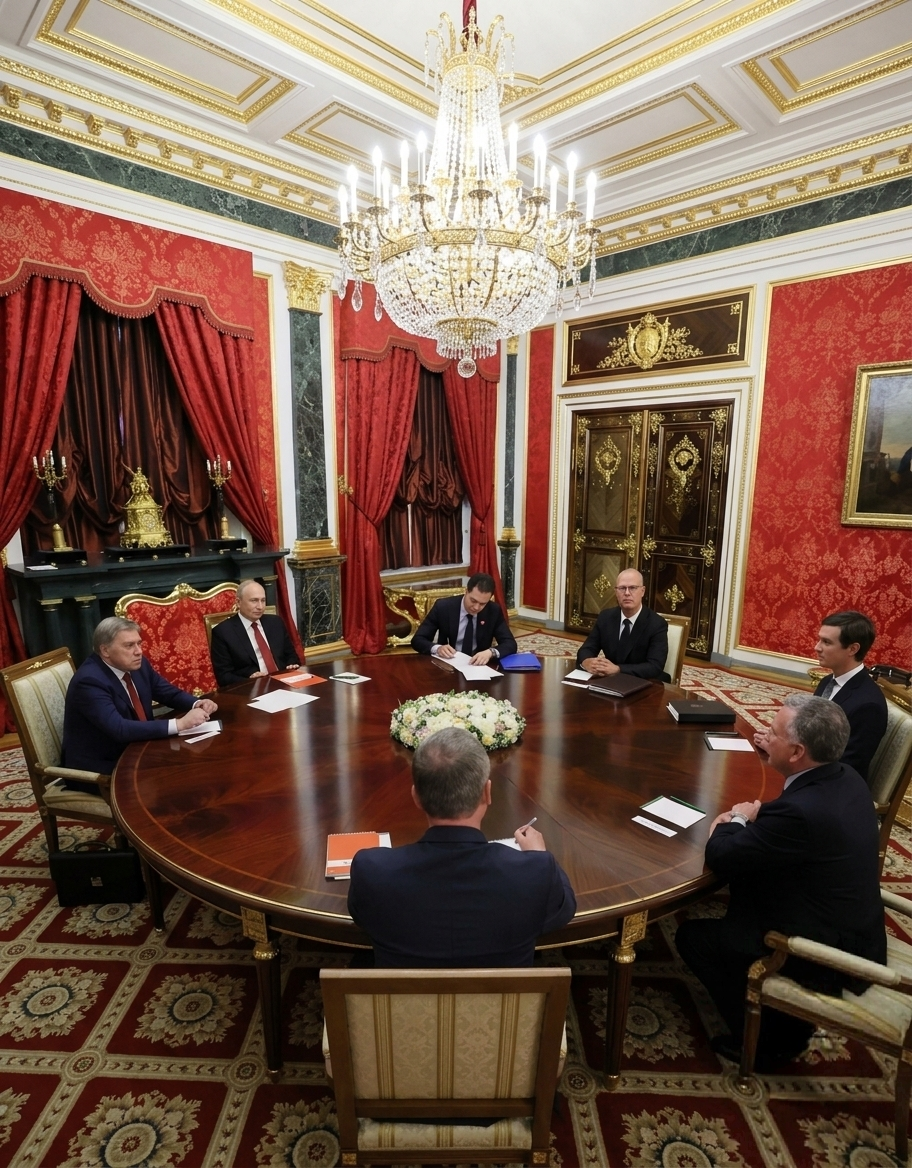
By late September, Munir met Trump again—this time with Prime Minister Shehbaz Sharif present. A widely-circulated photo shows Munir presenting Trump with samples of rare minerals while Sharif looks on.

U.S. Vice President J.D. Vance and Secretary of State Marco Rubio also joined the meeting, which lasted more than ninety minutes. During the talks, Munir issued a stern warning to India, saying Pakistan would respond sharply if any new dam is built on the Indus River. He reaffirmed Pakistan’s stance on Kashmir and portrayed the country as the region’s “final barrier” against terrorism.

Tag :

Please Share This Post in Your Social Media

Asim Munir: Pakistan’s New Power Player

Update Time : 05:47:59 am, Wednesday, 3 December 2025

Pakistan remains a place where almost anything can happen.

In 1958, after seizing power through a military coup, Ayub Khan controversially promoted himself to Field Marshal, a rare and highly prestigious five-star rank normally reserved for exceptional wartime leadership.

Asim Munir’s Unprecedented Rise

Decades later, Army Chief Asim Munir has become the most powerful figure in the country. On 12 November, Pakistan’s parliament approved a landmark amendment to Article 243 by a 234–4 vote, and the president signed it the next day.

This rapid constitutional change gives Munir oversight not only of the army but also the navy and air force, creating a new top-tier role that previously did not exist.

The amendment also grants him sweeping legal immunity—no court case can be filed against the army chief. Munir’s Field Marshal title and uniform will continue for life. Even after retirement, the president (on the prime minister’s advice) may assign him official duties, meaning he will likely remain influential indefinitely. Critics see this as a shift of state power further toward the military establishment.

Human rights activist Munizae Jahangir says the change “tilts power back toward the military at a moment when accountability was needed.”

Pakistan’s politics has long been shaped by its generals—sometimes through coups, other times through behind-the-scenes control. Analysts often describe the system as “hybrid rule,” but many believe this amendment pushes the country into a post-hybrid phase, giving the military even greater dominance. Michael Kugelman of the Wilson Center told the BBC that this may be “the clearest sign yet” of that shift.

Why Trump Values Munir

On 18 June 2025, Donald Trump invited Munir to a private lunch at the Oval Office—an unprecedented gesture for a Pakistani army chief arriving without civilian leadership. Their two-hour meeting focused on Iran, China and counterterrorism cooperation.

Trump later called the meeting an “honor” and said he “loved Pakistan.”

For Washington, Munir represents a strategic partner. Under his watch, Pakistan assisted in the arrest of ISIS-K leaders, allowed U.S. drone overflights in Afghanistan, and coordinated covert efforts against Iran. In return, Pakistan gained access to advanced American weapons, investment promises, and diplomatic leverage against India.

By late September, Munir met Trump again—this time with Prime Minister Shehbaz Sharif present. A widely-circulated photo shows Munir presenting Trump with samples of rare minerals while Sharif looks on.

U.S. Vice President J.D. Vance and Secretary of State Marco Rubio also joined the meeting, which lasted more than ninety minutes. During the talks, Munir issued a stern warning to India, saying Pakistan would respond sharply if any new dam is built on the Indus River. He reaffirmed Pakistan’s stance on Kashmir and portrayed the country as the region’s “final barrier” against terrorism.