How Successful Will Pakistan Be in Selling Weapons in the Arab World?

- Update Time : 08:35:56 am, Saturday, 17 January 2026
- / 407 Time View
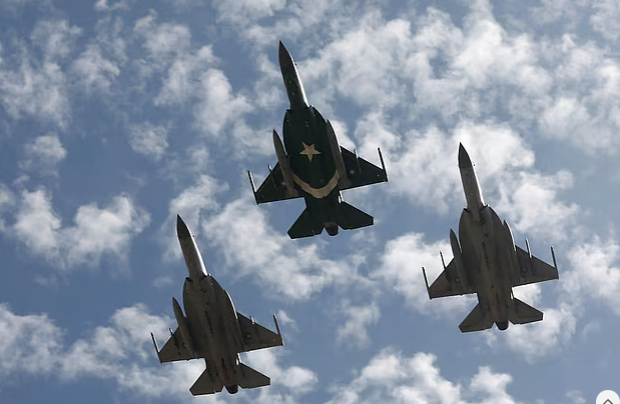

Pakistan is actively seeking to expand its arms sales across the Arab world. Islamabad is reportedly in discussions with several countries—including Saudi Arabia, Iraq, Sudan, and Libya—over the sale of military equipment and fighter jets, while some nations are also entering into defense cooperation agreements with Pakistan.
According to a Reuters report, Pakistan is close to finalizing a deal worth around $1.5 billion to supply fighter jets and weapons to Sudan’s military. While the monetary value of the contract is not enormous by global standards, it could have significant implications given Sudan’s ongoing civil conflict over the past three years.
The Sudanese agreement represents the latest step in a series of initiatives Pakistan has undertaken in recent months to strengthen its presence in the Arab military market. Over the past few years, Pakistan has successfully exported fighter jets to countries in Asia and Africa and is engaged in ongoing negotiations with others. Traditionally, Pakistan’s role in Arab militaries was largely limited to training personnel, but this is gradually expanding into direct arms sales.
At the center of Pakistan’s strategy is the “Strategic Joint Defense Cooperation” agreement signed with Saudi Arabia in September last year. Since then, Riyadh has shown increased interest in acquiring Pakistan-made JF-17 Thunder fighter jets, a model that has also attracted attention from Iraq. Other countries that have purchased JF-17s from Pakistan include Myanmar, Nigeria, and Azerbaijan.
Pakistan is also reportedly planning to sell JF-17 Thunder jets to Libyan rebel forces. In December, the country was reportedly close to signing a $4 billion deal with Libyan rebel leader Khalifa Haftar. Preliminary discussions have also taken place with Bangladesh and Indonesia regarding potential purchases.
A recent report from Karachi-based research institute K-Trade indicates that Pakistan is exporting a wider range of military equipment beyond fighter jets, including tanks, drones, armored vehicles, naval weaponry, and small arms.
Military analysts suggest that these efforts could open significant opportunities for Pakistan’s defense industry. Umar Karim, an associate fellow at the Riyadh-based King Faisal Center for Research, noted, “While these countries may not purchase as many arms as larger powers, Pakistan could be seen as a reliable supplier for fighter jets, especially with Chinese support in the background.”
However, analysts caution that maintaining balance amid the Middle East’s complex geopolitics will be a major challenge for Pakistan. The region’s internal divisions require Islamabad to act with extreme care, as missteps could jeopardize relations with key allies.
Despite these challenges, Pakistan’s expanding role in the Arab arms market demonstrates both the growing influence of its defense industry and its ambitions to become a more prominent supplier of military equipment in the region.