Dhaka 9:48 pm, Monday, 14 September 2026

Bangladesh Wants Equal-Footing Relationship With India, Not a ‘Husband-Wife’ Dynamic: Speaker

Reporter Name
  • Update Time : 12:19:47 pm, Monday, 14 September 2026
  • / 18 Time View

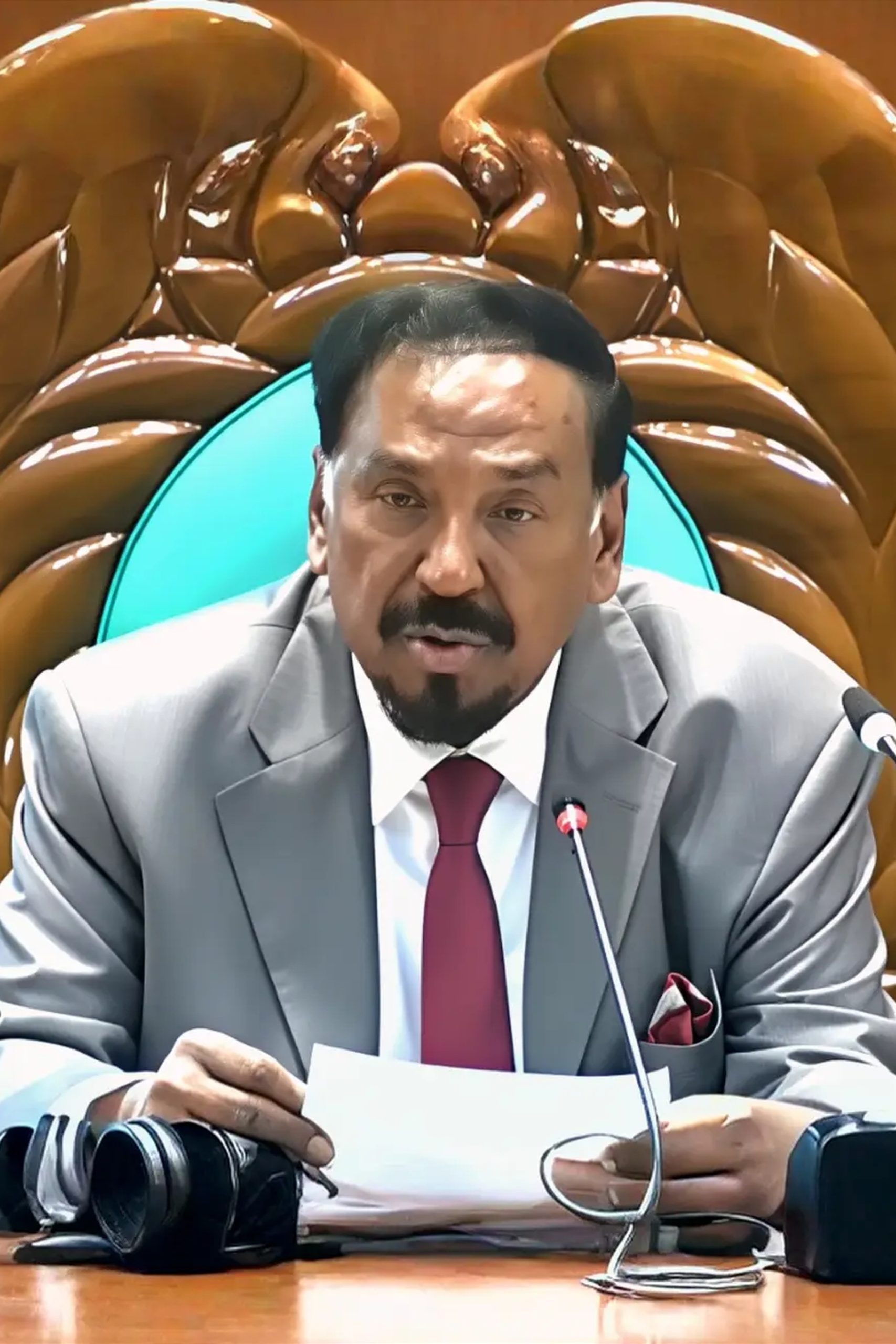
Bangladesh wants a relationship with India based on equality and mutual respect rather than what National Parliament Speaker Hafiz Uddin Ahmed Bir Bikram described as a “husband-wife” dynamic.

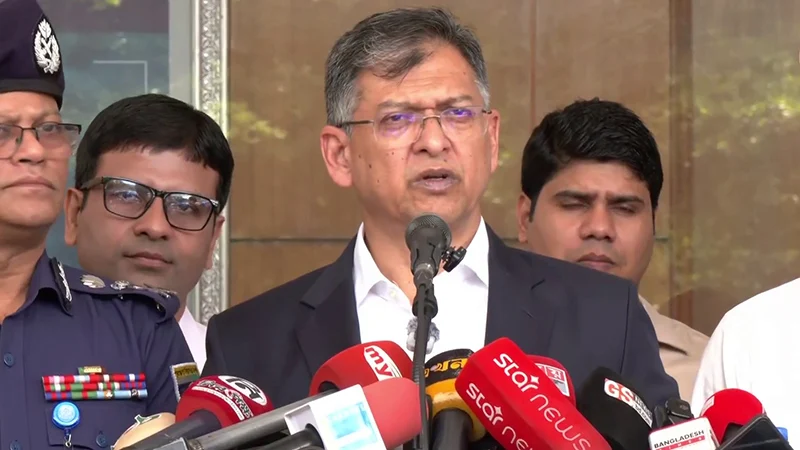
Speaking to reporters at the Bhola Circuit House on Monday morning, the speaker said Bangladesh seeks a relationship with India based on the principles of sovereign equality and good-neighborly cooperation.

“We want a relationship between India and Bangladesh based on equality as neighboring countries. During the previous Awami League government, India’s foreign minister described the relationship as a husband-wife relationship. We do not want that kind of relationship,” he said.

Discussing Bangladesh-India ties, Hafiz Uddin Ahmed said India has so far not openly communicated its position to Bangladesh regarding BRICS.

He also criticized what he described as a lack of reciprocal engagement from New Delhi, saying India had not invited Bangladesh’s prime minister with the appropriate level of respect.

The speaker particularly criticized India for providing refuge to the former prime minister of the ousted government and allowing her to engage in political activities from Indian territory.

“We do not consider this the behavior of a good neighbor,” he said.

Bangladesh nevertheless wants to maintain friendly relations with India, he added.

“We hope to maintain good relations with India in the future. But so far, we have not seen clear indications that they also want the same. We want the kind of relationship that should exist between two sovereign states,” he said.

Criticism of Previous Government

Speaking about the Awami League government, the speaker alleged that the country’s institutions and various sectors had suffered severe deterioration during its 17-year rule.

He accused the previous government of widespread killings, enforced disappearances, money laundering and corruption, saying the alleged illegal activities had pushed Bangladesh close to the brink of destruction.

Recovering from the situation, he said, would take considerable time.

July Charter and Reform Process

On the July Charter and ongoing reforms, Hafiz Uddin Ahmed said the reform process had already begun and that significant changes to existing laws would be necessary.

Political parties are continuing discussions, he said, although disagreements over certain aspects of implementing the July Charter have created complications.

Describing himself as neutral, the speaker said he was attempting to conduct parliamentary affairs impartially.

“I am trying to conduct Parliament in a neutral manner. I hope that if the BNP and the opposition can reach an understanding, the people can be freed from 16 to 17 years of misrule,” he said.

He added that both the government and opposition were committed to implementing the July Charter. If the opposition agrees on reform proposals during the next parliamentary session, the necessary legal changes could be made quickly, he said.

According to the speaker, completing constitutional reforms would allow their full impact to be felt and could help the country move beyond its long-standing political problems.

He also spoke about the restoration of freedom of expression, allegations of enforced disappearances and killings, and the proposed Bhola-Barishal bridge.

Later, representatives of Amra Bholabashi submitted a memorandum to the speaker demanding construction of the Bhola-Barishal bridge.

Hafiz Uddin Ahmed said a feasibility study for the bridge had already been completed, while a feasibility study for a new highway would also be conducted. The government would proceed with whichever option proves more viable, he said.

District officials, including Bhola Deputy Commissioner Dr. Shamim Rahman, District Council Administrator Golam Nabi Alamgir, and Police Superintendent Mohammad Shahidullah Kawsar, were present during the meeting.
Tag :

Please Share This Post in Your Social Media

Bangladesh Wants Equal-Footing Relationship With India, Not a ‘Husband-Wife’ Dynamic: Speaker

Update Time : 12:19:47 pm, Monday, 14 September 2026

Bangladesh wants a relationship with India based on equality and mutual respect rather than what National Parliament Speaker Hafiz Uddin Ahmed Bir Bikram described as a “husband-wife” dynamic.

Speaking to reporters at the Bhola Circuit House on Monday morning, the speaker said Bangladesh seeks a relationship with India based on the principles of sovereign equality and good-neighborly cooperation.

“We want a relationship between India and Bangladesh based on equality as neighboring countries. During the previous Awami League government, India’s foreign minister described the relationship as a husband-wife relationship. We do not want that kind of relationship,” he said.

Discussing Bangladesh-India ties, Hafiz Uddin Ahmed said India has so far not openly communicated its position to Bangladesh regarding BRICS.

He also criticized what he described as a lack of reciprocal engagement from New Delhi, saying India had not invited Bangladesh’s prime minister with the appropriate level of respect.

The speaker particularly criticized India for providing refuge to the former prime minister of the ousted government and allowing her to engage in political activities from Indian territory.

“We do not consider this the behavior of a good neighbor,” he said.

Bangladesh nevertheless wants to maintain friendly relations with India, he added.

“We hope to maintain good relations with India in the future. But so far, we have not seen clear indications that they also want the same. We want the kind of relationship that should exist between two sovereign states,” he said.

Criticism of Previous Government

Speaking about the Awami League government, the speaker alleged that the country’s institutions and various sectors had suffered severe deterioration during its 17-year rule.

He accused the previous government of widespread killings, enforced disappearances, money laundering and corruption, saying the alleged illegal activities had pushed Bangladesh close to the brink of destruction.

Recovering from the situation, he said, would take considerable time.

July Charter and Reform Process

On the July Charter and ongoing reforms, Hafiz Uddin Ahmed said the reform process had already begun and that significant changes to existing laws would be necessary.

Political parties are continuing discussions, he said, although disagreements over certain aspects of implementing the July Charter have created complications.

Describing himself as neutral, the speaker said he was attempting to conduct parliamentary affairs impartially.

“I am trying to conduct Parliament in a neutral manner. I hope that if the BNP and the opposition can reach an understanding, the people can be freed from 16 to 17 years of misrule,” he said.

He added that both the government and opposition were committed to implementing the July Charter. If the opposition agrees on reform proposals during the next parliamentary session, the necessary legal changes could be made quickly, he said.

According to the speaker, completing constitutional reforms would allow their full impact to be felt and could help the country move beyond its long-standing political problems.

He also spoke about the restoration of freedom of expression, allegations of enforced disappearances and killings, and the proposed Bhola-Barishal bridge.

Later, representatives of Amra Bholabashi submitted a memorandum to the speaker demanding construction of the Bhola-Barishal bridge.

Hafiz Uddin Ahmed said a feasibility study for the bridge had already been completed, while a feasibility study for a new highway would also be conducted. The government would proceed with whichever option proves more viable, he said.

District officials, including Bhola Deputy Commissioner Dr. Shamim Rahman, District Council Administrator Golam Nabi Alamgir, and Police Superintendent Mohammad Shahidullah Kawsar, were present during the meeting.