Dhaka 6:35 pm, Wednesday, 14 October 2026

Iran Changes Tactics, Steps Up Attacks on Ships in Strait of Hormuz

Reporter Name
  • Update Time : 11:24:53 am, Wednesday, 14 October 2026
  • / 12 Time View

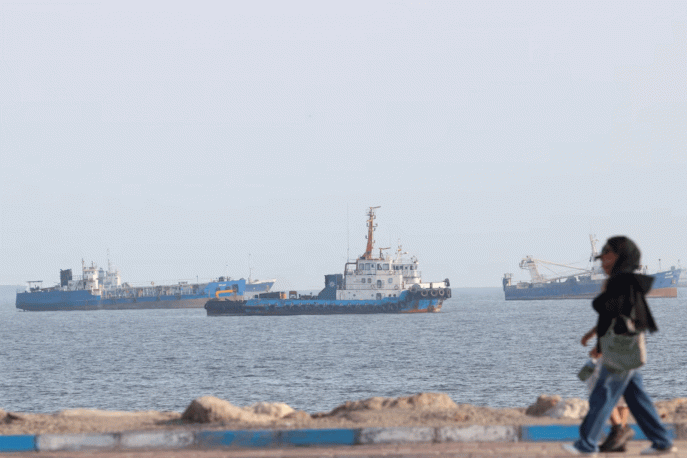
Iran is adopting new tactics to target commercial vessels navigating the Strait of Hormuz, seeking to keep global oil prices elevated and influence the outcome of the upcoming US midterm elections, two senior Iranian officials have told Reuters.

Since the United States and Israel launched strikes against Iran on February 28, Tehran has imposed restrictions on shipping through the strategic waterway in an effort to increase pressure on Washington and strengthen its position in negotiations.

Before the conflict, approximately 20% of the world’s oil and liquefied natural gas (LNG) trade passed through the strait. Iranian threats and attacks have significantly reduced maritime traffic, contributing to rising energy prices, although some oil tankers continue to transit the route.

One Iranian official told Reuters that Tehran began employing different offensive tactics against vessels violating its restrictions around 10 days ago. The changes reportedly involve both the methods and frequency of attacks.

The officials said influencing the US midterm elections is among the objectives of the strategy.

“Our aim is to undermine efforts by the United States and its allies to lower global oil prices,” one official said, according to Reuters.

The decision was reportedly made at the highest levels of Iran’s leadership, with the country’s governing institutions coordinating its implementation.

Iran Uses Small Boats for Surveillance

A US military official, speaking on condition of anonymity, confirmed that Iran had altered its approach to identifying potential targets.

Following US strikes that damaged much of Iran’s radar capabilities, the Islamic Revolutionary Guard Corps (IRGC) has reportedly begun deploying unarmed observers in small boats to identify potential targets, including US naval vessels.

The US official described an incident from the previous week in which American forces determined that Iranian observers aboard a traditional wooden dhow were relaying target information to the IRGC.

US forces reportedly intercepted the boat, instructed its occupants to abandon it and subsequently destroyed the vessel. The official said there were no casualties.

The development comes as the conflict and its estimated monthly cost of around $3 billion become increasingly prominent issues ahead of the November US midterm elections, which will determine control of Congress.

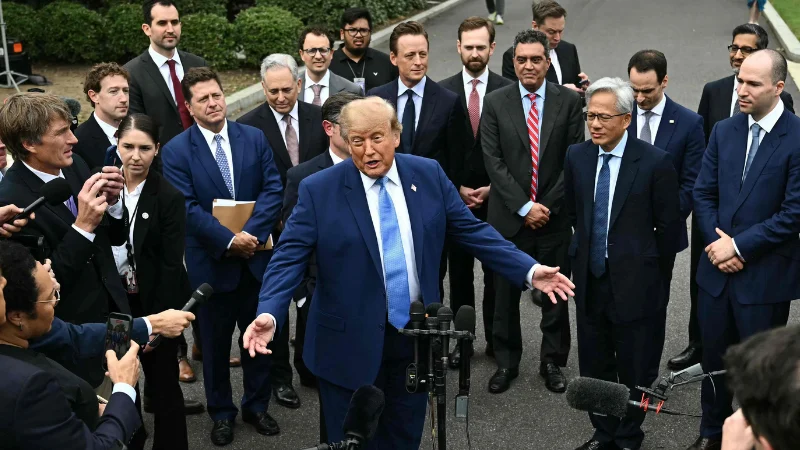
President Donald Trump has been considering Washington’s next steps against Iran but has said he will not launch further attacks before the election.

Meanwhile, the United States has continued its naval blockade of Iranian ports and expanded sanctions in an effort to increase economic pressure on Tehran and push it towards an agreement to end the conflict.

Attacks Spread Beyond the Strait

The confrontation has heightened uncertainty in global energy markets. Security threats, rising shipping charges and expensive insurance have complicated efforts to restore normal commercial traffic through the Strait of Hormuz.

Maritime security analysts and incident reports submitted to the United Kingdom Maritime Trade Operations (UKMTO) indicate that at least five attacks or related incidents involving tankers and other commercial vessels occurred in the Hormuz region over a 48-hour period. Some reportedly involved drones.

The frequency of incidents was comparable to the period from October 3 to 5, according to information cited from the United Nations’ International Maritime Organization (IMO).

One maritime security source described the increase in attacks as significant and apparently deliberate.

Iran’s revised strategy is also expected to extend beyond the Strait of Hormuz into the Gulf of Oman and other surrounding waters, the Iranian officials said.

Reports analysed by maritime security specialists suggest that the expansion may already be underway, with vessels targeted in waters near Qatar and the United Arab Emirates in recent days.

One Iranian official said Tehran would seek to prevent the Trump administration from lowering oil prices before the US election.

“Whenever they think prices are about to fall, we will push them away from that point. It is a game of chess,” the official said, according to Reuters.

The same official warned that vessels could face risks even outside the Strait of Hormuz.

The Pentagon and Iran’s Foreign Ministry did not immediately respond to requests for comment, Reuters reported.

Tehran Warns of Possible Full Closure

The two Iranian officials indicated that Tehran was moving towards a situation in which vessels disregarding its restrictions would be unable to pass through the strait.

One official warned that the waterway could be completely closed soon.

In its latest report published on Sunday, the US Navy-led Joint Maritime Information Center (JMIC) classified the threat to commercial shipping in the Strait of Hormuz as “severe,” the second-highest level in its threat assessment system.

The centre said IRGC attacks, attempted attacks and other forms of harassment were continuing. These activities reportedly include flying unmanned aerial vehicles over commercial vessels, closely monitoring ships and occasionally issuing warnings through very high frequency (VHF) radio communications.

The growing confrontation threatens to prolong disruption to one of the world’s most important energy corridors, with consequences for oil prices, shipping costs and international trade.


Tag :

Please Share This Post in Your Social Media

Iran Changes Tactics, Steps Up Attacks on Ships in Strait of Hormuz

Update Time : 11:24:53 am, Wednesday, 14 October 2026

Iran is adopting new tactics to target commercial vessels navigating the Strait of Hormuz, seeking to keep global oil prices elevated and influence the outcome of the upcoming US midterm elections, two senior Iranian officials have told Reuters.

Since the United States and Israel launched strikes against Iran on February 28, Tehran has imposed restrictions on shipping through the strategic waterway in an effort to increase pressure on Washington and strengthen its position in negotiations.

Before the conflict, approximately 20% of the world’s oil and liquefied natural gas (LNG) trade passed through the strait. Iranian threats and attacks have significantly reduced maritime traffic, contributing to rising energy prices, although some oil tankers continue to transit the route.

One Iranian official told Reuters that Tehran began employing different offensive tactics against vessels violating its restrictions around 10 days ago. The changes reportedly involve both the methods and frequency of attacks.

The officials said influencing the US midterm elections is among the objectives of the strategy.

“Our aim is to undermine efforts by the United States and its allies to lower global oil prices,” one official said, according to Reuters.

The decision was reportedly made at the highest levels of Iran’s leadership, with the country’s governing institutions coordinating its implementation.

Iran Uses Small Boats for Surveillance

A US military official, speaking on condition of anonymity, confirmed that Iran had altered its approach to identifying potential targets.

Following US strikes that damaged much of Iran’s radar capabilities, the Islamic Revolutionary Guard Corps (IRGC) has reportedly begun deploying unarmed observers in small boats to identify potential targets, including US naval vessels.

The US official described an incident from the previous week in which American forces determined that Iranian observers aboard a traditional wooden dhow were relaying target information to the IRGC.

US forces reportedly intercepted the boat, instructed its occupants to abandon it and subsequently destroyed the vessel. The official said there were no casualties.

The development comes as the conflict and its estimated monthly cost of around $3 billion become increasingly prominent issues ahead of the November US midterm elections, which will determine control of Congress.

President Donald Trump has been considering Washington’s next steps against Iran but has said he will not launch further attacks before the election.

Meanwhile, the United States has continued its naval blockade of Iranian ports and expanded sanctions in an effort to increase economic pressure on Tehran and push it towards an agreement to end the conflict.

Attacks Spread Beyond the Strait

The confrontation has heightened uncertainty in global energy markets. Security threats, rising shipping charges and expensive insurance have complicated efforts to restore normal commercial traffic through the Strait of Hormuz.

Maritime security analysts and incident reports submitted to the United Kingdom Maritime Trade Operations (UKMTO) indicate that at least five attacks or related incidents involving tankers and other commercial vessels occurred in the Hormuz region over a 48-hour period. Some reportedly involved drones.

The frequency of incidents was comparable to the period from October 3 to 5, according to information cited from the United Nations’ International Maritime Organization (IMO).

One maritime security source described the increase in attacks as significant and apparently deliberate.

Iran’s revised strategy is also expected to extend beyond the Strait of Hormuz into the Gulf of Oman and other surrounding waters, the Iranian officials said.

Reports analysed by maritime security specialists suggest that the expansion may already be underway, with vessels targeted in waters near Qatar and the United Arab Emirates in recent days.

One Iranian official said Tehran would seek to prevent the Trump administration from lowering oil prices before the US election.

“Whenever they think prices are about to fall, we will push them away from that point. It is a game of chess,” the official said, according to Reuters.

The same official warned that vessels could face risks even outside the Strait of Hormuz.

The Pentagon and Iran’s Foreign Ministry did not immediately respond to requests for comment, Reuters reported.

Tehran Warns of Possible Full Closure

The two Iranian officials indicated that Tehran was moving towards a situation in which vessels disregarding its restrictions would be unable to pass through the strait.

One official warned that the waterway could be completely closed soon.

In its latest report published on Sunday, the US Navy-led Joint Maritime Information Center (JMIC) classified the threat to commercial shipping in the Strait of Hormuz as “severe,” the second-highest level in its threat assessment system.

The centre said IRGC attacks, attempted attacks and other forms of harassment were continuing. These activities reportedly include flying unmanned aerial vehicles over commercial vessels, closely monitoring ships and occasionally issuing warnings through very high frequency (VHF) radio communications.

The growing confrontation threatens to prolong disruption to one of the world’s most important energy corridors, with consequences for oil prices, shipping costs and international trade.