Dhaka 5:06 pm, Wednesday, 4 November 2026

Trump and Netanyahu Face Political Setbacks as Questions Grow Over Their Future in Power

Reporter Name
  • Update Time : 09:49:08 am, Wednesday, 4 November 2026
  • / 16 Time View

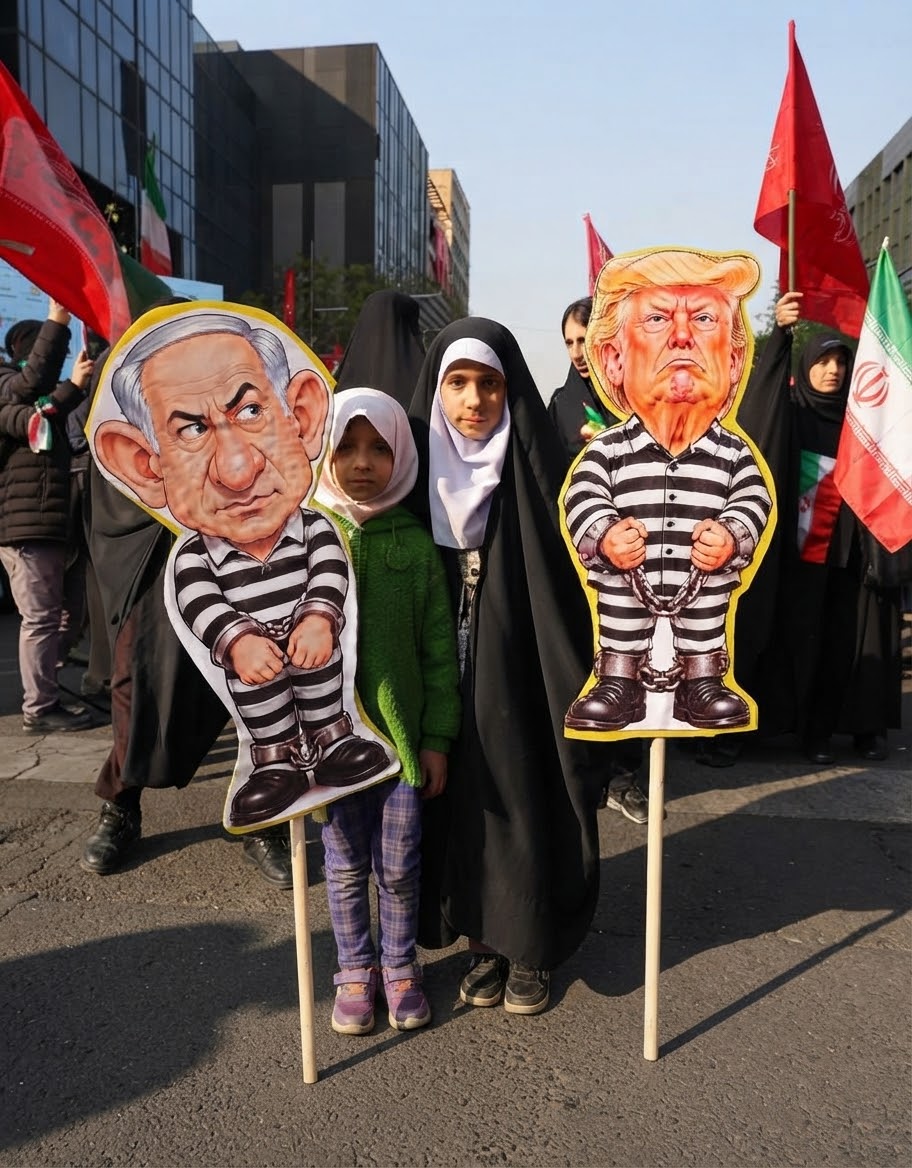
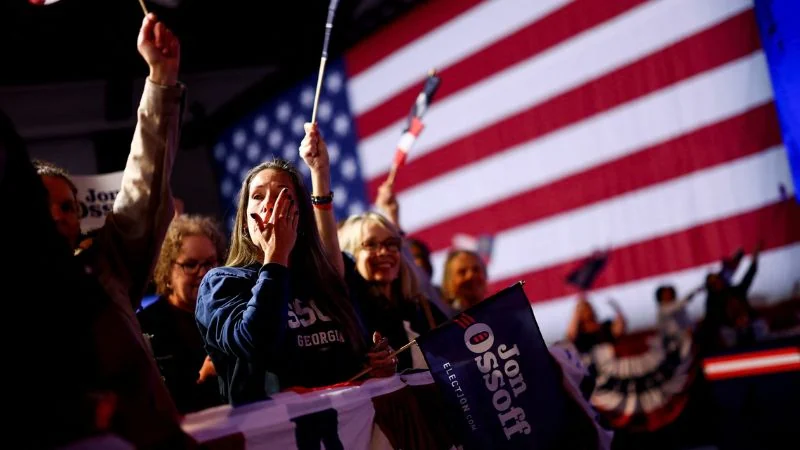
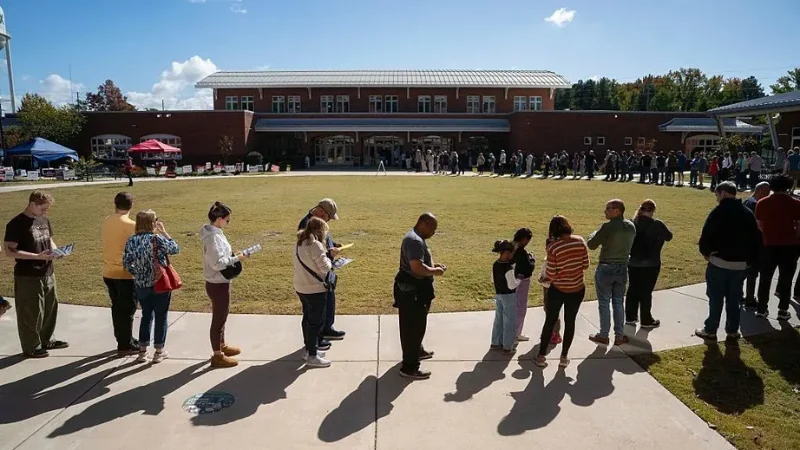
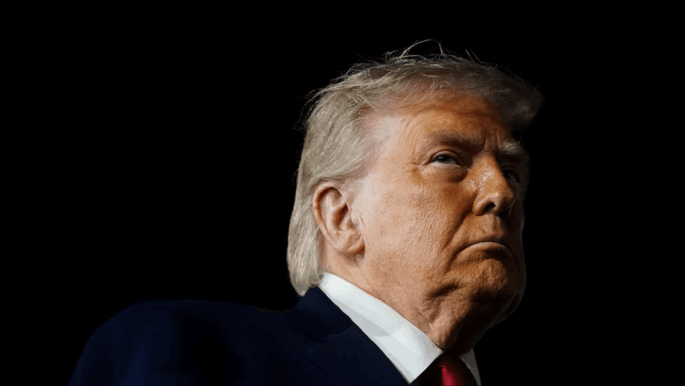
The latest US midterm elections have followed a familiar pattern in American political history: the party in power has lost control of Congress. The outcome represents a major setback for Republican President Donald Trump and his political dominance.

Trump’s close ally, Israeli Prime Minister Benjamin Netanyahu, is facing a similar challenge. Political consultations between Israeli parties and President Isaac Herzog are scheduled to begin on Wednesday to determine who will be tasked with forming the next government. A decision could emerge by Friday.

Elections held in the two countries within days of each other have placed the political futures of two influential leaders under pressure. It is too early to declare their political downfall inevitable. However, both appear to have reached a point where maintaining power—and shaping the conditions under which they exercise it—is becoming increasingly difficult.

For Trump, the midterm results will weaken his party’s control of Congress, although his presidential term will continue. Netanyahu faces a more immediate challenge: forming a government. His Likud Party won the largest number of seats individually but lacks the support required to secure a parliamentary majority of 61.

How They Reached This Critical Point

Preliminary results from the US midterm elections, available at 2:30pm Wednesday, showed the Democratic Party securing control of the House of Representatives. Democrats had won 225 seats, exceeding the 218 needed for a majority, and were leading in another 38 constituencies where counting was still underway.

Democrats also crossed the 51-seat threshold required for a Senate majority. They had secured 54 seats and were leading in one more race. Republicans, meanwhile, had won 136 seats in the House and 43 in the Senate. The final figures could change slightly as counting continues.

The outcome is widely viewed as a clear public rejection of several Trump administration policies. Voters’ concerns centred on the cost of living, fuel prices, inflation and the war with Iran.

During his second inauguration, Trump sought to present himself as a leader of peace. However, the war, uncertainty over energy supplies and the effects of tariffs have raised questions about that promise. The midterm elections therefore became more than a contest over congressional seats; they turned into a referendum on Trump’s leadership.

Netanyahu’s political crisis is different in nature. In Israel’s October 27 election, Likud secured 27 of the Knesset’s 120 seats. Together with its coalition partners, the bloc has 53 seats—eight short of the 61 needed to form a government.

The opposition bloc won 48 seats and has the backing of Arab parties that secured 19 seats. This support places the opposition in a stronger position in the race to form the next government.

On Wednesday, Israeli President Isaac Herzog is expected to receive the final election results and assign the task of forming a government to the leader he considers most likely to secure a coalition. Israeli media reports suggest that opposition leader Gadi Eisenkot may have the strongest initial prospects, given the support of Arab parties.

The reactions of Trump and Netanyahu also appear to reflect the pressure surrounding their political futures.

In a speech on Monday, the day before the US election, Trump devoted relatively little attention to policy issues. Instead, he discussed plans to renovate the reflecting pool at the Lincoln Memorial and make Washington more attractive. According to AFP, the remarks carried something of the tone of a president preparing for life after office.

Netanyahu, meanwhile, has alleged electoral fraud after failing to secure a parliamentary majority. According to CNN, he said the victory had been “stolen”.

What Comes Next for the Two Leaders?

Trump’s most immediate challenge will be managing relations with Congress. Democrats will have the power to establish investigative committees, hold hearings and issue subpoenas to scrutinise decisions made by his administration.

Such investigations could intensify political tensions over the budget, the debt ceiling, tariff policy and decisions concerning the war.

However, in an interview with The New York Times after the election results began emerging, Trump said he was prepared to accept the outcome and had no objection to working with Democrats. This marks a softer tone compared with his recent campaign speeches, in which he repeatedly warned voters about Democratic policies.

Losing control of Congress does not mean the end of presidential authority. Trump will retain his veto power and the ability to pursue policies through executive orders. Democrats may make his agenda more difficult to advance, but they will not be able to block every decision.

In a report published Tuesday, AFP noted that Trump could use his executive powers to resume major military operations against Iran. Ryan Hass of the Washington-based Brookings Institution also said Trump appeared likely to remain “relentlessly active” on trade. His recent hostile stance towards Canada was cited as an example.

Netanyahu, meanwhile, may have to wait for the opposition’s attempt to form a government to fail before he can regain a political opening.

If President Herzog assigns the opposition bloc the task of forming a government, it will have 42 days to secure a parliamentary majority through a confidence vote and establish a stable administration. If it fails, Netanyahu could remain in office as caretaker prime minister.

Reuters reported on October 28, citing analysts, that Netanyahu’s powers would be restricted if he continued as caretaker prime minister, particularly on security-related matters. However, Or Asher, a researcher at the Tel Aviv-based Tachlith Institute, said Netanyahu would still retain the authority to take the country into war.

Implications for the Middle East

Political uncertainty in the United States and Israel could have significant consequences for security and diplomacy across the Middle East.

Trump’s electoral setback may force him to reconsider his approach towards Iran. The economic cost of war, rising energy prices and increased congressional scrutiny could make continued military operations politically more expensive.

If Netanyahu fails to form a government, Israel’s new leadership may initially adopt a more restrained approach towards Gaza, Iran, Lebanon and the Palestinian issue. Arab parties supporting the opposition bloc have already attached various conditions concerning Palestine.

However, a change of government in Israel does not guarantee an immediate shift in Middle East policy. Israeli political parties share common positions on several issues involving national security and regional threats.

Political changes in Washington could also put pressure on the close relationship between the United States and Israel. Democratic support for Israel has declined significantly amid the war in Gaza. Reuters has reported that Democrats could seek to restrict or suspend military assistance to Israel.

Trump himself has also announced a change in US assistance. Speaking on Tuesday while voting was underway, he said he had reached an understanding with Netanyahu under which the United States would end its annual $4 billion in assistance to Israel from 2027. Washington would, however, continue selling weapons to the country.

What Could Change in Global Trade?

Soon after returning to the White House for his second term, Trump imposed reciprocal tariffs through executive orders. Federal courts later placed significant restrictions on the policy. Democrats may now seek to further limit the executive branch’s authority to impose tariffs.

House Democratic leader Hakeem Jeffries has offered a clear indication of the party’s priorities. Jeffries, who could become the first Black Speaker of the House, said reversing Trump’s tariffs or limiting his authority would be among the Democrats’ priorities during their first 100 days.

Over recent months, Democrats have introduced several bills aimed at significantly restricting or eliminating the president’s tariff-setting powers. These proposals could have a better chance of advancing in the new Congress, which is due to take office in January.

Democrats also plan to investigate various bilateral trade agreements negotiated by the Trump administration, as well as potential corruption involving tariff exemptions.

Trump has warned that he would veto any legislation passed against policies he introduced, raising the possibility of a political deadlock.

Nevertheless, Trump’s political vulnerability over the Iran war—which has disrupted global energy supplies and increased living costs—could push him towards a diplomatic settlement.

Iran’s security chief, Mohsen Rezaei, recently said Tehran had received a letter from the US vice-president regarding the possibility of resuming negotiations. He indicated that the tone of the message suggested a positive shift.

An end to the Iran war could bring relief to global energy markets. However, there is also a risk that Trump could adopt a tougher stance to divert attention from domestic criticism following the election setback. Before the vote, he said there were still one or two Iranian targets that needed to be attacked.

The global energy outlook is also closely linked to the possibility of an Israeli attack on Iran. Netanyahu’s potential departure or the formation of a weakened government could introduce a new balance into Israel’s military decision-making.

Even if regional tensions do not ease overnight, a change in political leadership could offer some relief to oil markets and trade routes. Conversely, an escalation of the conflict could affect energy imports, supply chains and inflation across Asia and Europe.

Questions That Remain

War, energy shortages and trade uncertainty are not problems that will disappear simply because one or two political leaders leave office. If political changes do not lead to changes in policy, a change of leadership may leave the underlying crises largely intact.

The more important question, therefore, may not be whether Trump and Netanyahu are approaching the end of their political careers.

It is whether the next chapter in their countries’ political histories will open a new path for the Middle East and the global economy—or simply produce new forms of the same old conflicts.
Tag :

Please Share This Post in Your Social Media

Trump and Netanyahu Face Political Setbacks as Questions Grow Over Their Future in Power

Update Time : 09:49:08 am, Wednesday, 4 November 2026

The latest US midterm elections have followed a familiar pattern in American political history: the party in power has lost control of Congress. The outcome represents a major setback for Republican President Donald Trump and his political dominance.

Trump’s close ally, Israeli Prime Minister Benjamin Netanyahu, is facing a similar challenge. Political consultations between Israeli parties and President Isaac Herzog are scheduled to begin on Wednesday to determine who will be tasked with forming the next government. A decision could emerge by Friday.

Elections held in the two countries within days of each other have placed the political futures of two influential leaders under pressure. It is too early to declare their political downfall inevitable. However, both appear to have reached a point where maintaining power—and shaping the conditions under which they exercise it—is becoming increasingly difficult.

For Trump, the midterm results will weaken his party’s control of Congress, although his presidential term will continue. Netanyahu faces a more immediate challenge: forming a government. His Likud Party won the largest number of seats individually but lacks the support required to secure a parliamentary majority of 61.

How They Reached This Critical Point

Preliminary results from the US midterm elections, available at 2:30pm Wednesday, showed the Democratic Party securing control of the House of Representatives. Democrats had won 225 seats, exceeding the 218 needed for a majority, and were leading in another 38 constituencies where counting was still underway.

Democrats also crossed the 51-seat threshold required for a Senate majority. They had secured 54 seats and were leading in one more race. Republicans, meanwhile, had won 136 seats in the House and 43 in the Senate. The final figures could change slightly as counting continues.

The outcome is widely viewed as a clear public rejection of several Trump administration policies. Voters’ concerns centred on the cost of living, fuel prices, inflation and the war with Iran.

During his second inauguration, Trump sought to present himself as a leader of peace. However, the war, uncertainty over energy supplies and the effects of tariffs have raised questions about that promise. The midterm elections therefore became more than a contest over congressional seats; they turned into a referendum on Trump’s leadership.

Netanyahu’s political crisis is different in nature. In Israel’s October 27 election, Likud secured 27 of the Knesset’s 120 seats. Together with its coalition partners, the bloc has 53 seats—eight short of the 61 needed to form a government.

The opposition bloc won 48 seats and has the backing of Arab parties that secured 19 seats. This support places the opposition in a stronger position in the race to form the next government.

On Wednesday, Israeli President Isaac Herzog is expected to receive the final election results and assign the task of forming a government to the leader he considers most likely to secure a coalition. Israeli media reports suggest that opposition leader Gadi Eisenkot may have the strongest initial prospects, given the support of Arab parties.

The reactions of Trump and Netanyahu also appear to reflect the pressure surrounding their political futures.

In a speech on Monday, the day before the US election, Trump devoted relatively little attention to policy issues. Instead, he discussed plans to renovate the reflecting pool at the Lincoln Memorial and make Washington more attractive. According to AFP, the remarks carried something of the tone of a president preparing for life after office.

Netanyahu, meanwhile, has alleged electoral fraud after failing to secure a parliamentary majority. According to CNN, he said the victory had been “stolen”.

What Comes Next for the Two Leaders?

Trump’s most immediate challenge will be managing relations with Congress. Democrats will have the power to establish investigative committees, hold hearings and issue subpoenas to scrutinise decisions made by his administration.

Such investigations could intensify political tensions over the budget, the debt ceiling, tariff policy and decisions concerning the war.

However, in an interview with The New York Times after the election results began emerging, Trump said he was prepared to accept the outcome and had no objection to working with Democrats. This marks a softer tone compared with his recent campaign speeches, in which he repeatedly warned voters about Democratic policies.

Losing control of Congress does not mean the end of presidential authority. Trump will retain his veto power and the ability to pursue policies through executive orders. Democrats may make his agenda more difficult to advance, but they will not be able to block every decision.

In a report published Tuesday, AFP noted that Trump could use his executive powers to resume major military operations against Iran. Ryan Hass of the Washington-based Brookings Institution also said Trump appeared likely to remain “relentlessly active” on trade. His recent hostile stance towards Canada was cited as an example.

Netanyahu, meanwhile, may have to wait for the opposition’s attempt to form a government to fail before he can regain a political opening.

If President Herzog assigns the opposition bloc the task of forming a government, it will have 42 days to secure a parliamentary majority through a confidence vote and establish a stable administration. If it fails, Netanyahu could remain in office as caretaker prime minister.

Reuters reported on October 28, citing analysts, that Netanyahu’s powers would be restricted if he continued as caretaker prime minister, particularly on security-related matters. However, Or Asher, a researcher at the Tel Aviv-based Tachlith Institute, said Netanyahu would still retain the authority to take the country into war.

Implications for the Middle East

Political uncertainty in the United States and Israel could have significant consequences for security and diplomacy across the Middle East.

Trump’s electoral setback may force him to reconsider his approach towards Iran. The economic cost of war, rising energy prices and increased congressional scrutiny could make continued military operations politically more expensive.

If Netanyahu fails to form a government, Israel’s new leadership may initially adopt a more restrained approach towards Gaza, Iran, Lebanon and the Palestinian issue. Arab parties supporting the opposition bloc have already attached various conditions concerning Palestine.

However, a change of government in Israel does not guarantee an immediate shift in Middle East policy. Israeli political parties share common positions on several issues involving national security and regional threats.

Political changes in Washington could also put pressure on the close relationship between the United States and Israel. Democratic support for Israel has declined significantly amid the war in Gaza. Reuters has reported that Democrats could seek to restrict or suspend military assistance to Israel.

Trump himself has also announced a change in US assistance. Speaking on Tuesday while voting was underway, he said he had reached an understanding with Netanyahu under which the United States would end its annual $4 billion in assistance to Israel from 2027. Washington would, however, continue selling weapons to the country.

What Could Change in Global Trade?

Soon after returning to the White House for his second term, Trump imposed reciprocal tariffs through executive orders. Federal courts later placed significant restrictions on the policy. Democrats may now seek to further limit the executive branch’s authority to impose tariffs.

House Democratic leader Hakeem Jeffries has offered a clear indication of the party’s priorities. Jeffries, who could become the first Black Speaker of the House, said reversing Trump’s tariffs or limiting his authority would be among the Democrats’ priorities during their first 100 days.

Over recent months, Democrats have introduced several bills aimed at significantly restricting or eliminating the president’s tariff-setting powers. These proposals could have a better chance of advancing in the new Congress, which is due to take office in January.

Democrats also plan to investigate various bilateral trade agreements negotiated by the Trump administration, as well as potential corruption involving tariff exemptions.

Trump has warned that he would veto any legislation passed against policies he introduced, raising the possibility of a political deadlock.

Nevertheless, Trump’s political vulnerability over the Iran war—which has disrupted global energy supplies and increased living costs—could push him towards a diplomatic settlement.

Iran’s security chief, Mohsen Rezaei, recently said Tehran had received a letter from the US vice-president regarding the possibility of resuming negotiations. He indicated that the tone of the message suggested a positive shift.

An end to the Iran war could bring relief to global energy markets. However, there is also a risk that Trump could adopt a tougher stance to divert attention from domestic criticism following the election setback. Before the vote, he said there were still one or two Iranian targets that needed to be attacked.

The global energy outlook is also closely linked to the possibility of an Israeli attack on Iran. Netanyahu’s potential departure or the formation of a weakened government could introduce a new balance into Israel’s military decision-making.

Even if regional tensions do not ease overnight, a change in political leadership could offer some relief to oil markets and trade routes. Conversely, an escalation of the conflict could affect energy imports, supply chains and inflation across Asia and Europe.

Questions That Remain

War, energy shortages and trade uncertainty are not problems that will disappear simply because one or two political leaders leave office. If political changes do not lead to changes in policy, a change of leadership may leave the underlying crises largely intact.

The more important question, therefore, may not be whether Trump and Netanyahu are approaching the end of their political careers.

It is whether the next chapter in their countries’ political histories will open a new path for the Middle East and the global economy—or simply produce new forms of the same old conflicts.