Zubaida Rahman Calls for Global Cooperation to Turn Waste into Resources and Clean Energy

- Update Time : 03:28:05 pm, Wednesday, 11 November 2026
- / 35 Time View
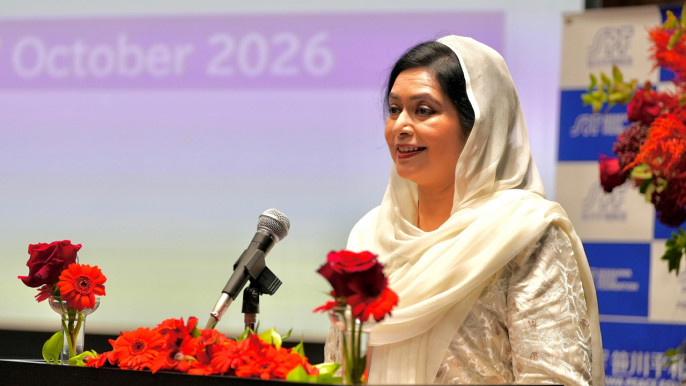

Bangladesh’s First Spouse Dr Zubaida Rahman has called for stronger global cooperation to transform waste into valuable resources and a source of clean energy, stressing that no single country can achieve a zero-waste society through its efforts alone.
She said affordable climate financing, technology transfer and capacity building were essential to improving waste management. She also emphasised the need for private-sector participation and protection for informal workers involved in waste collection and management.
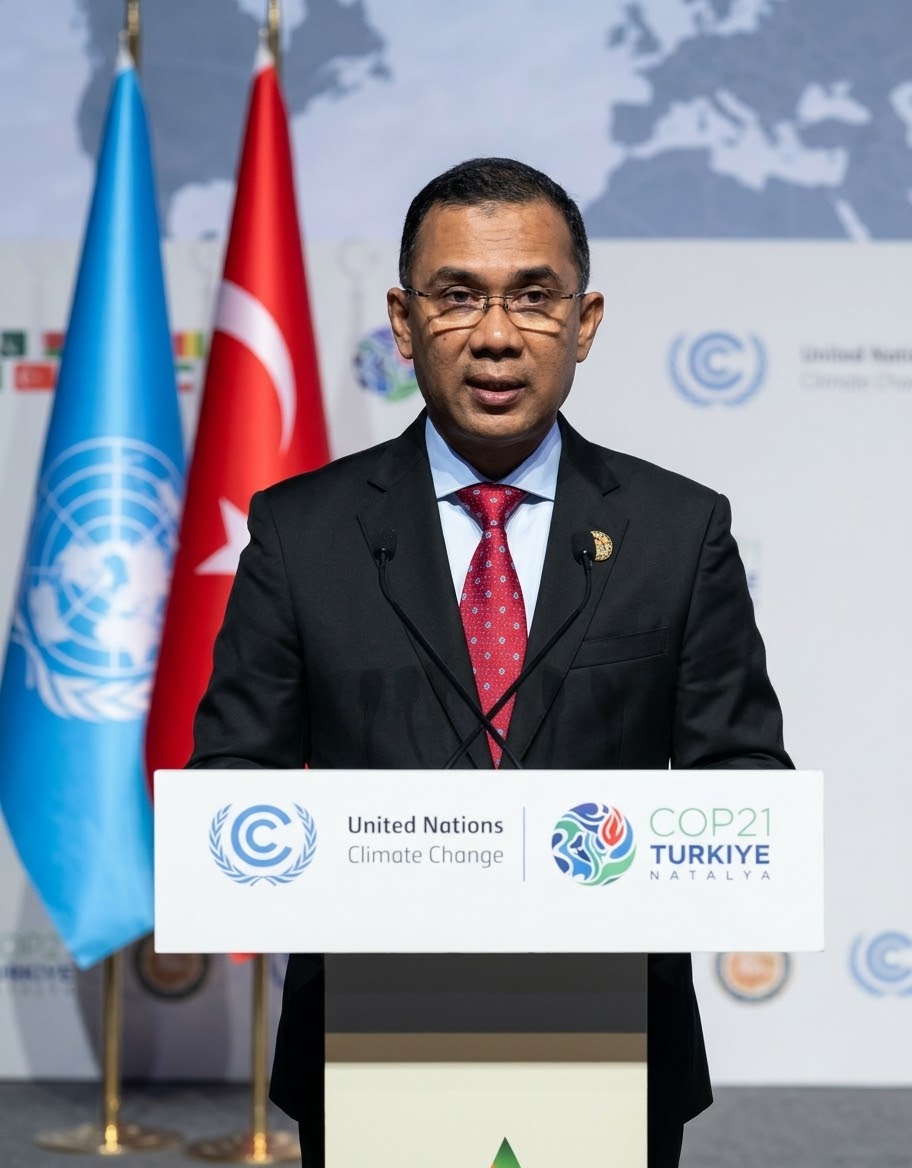
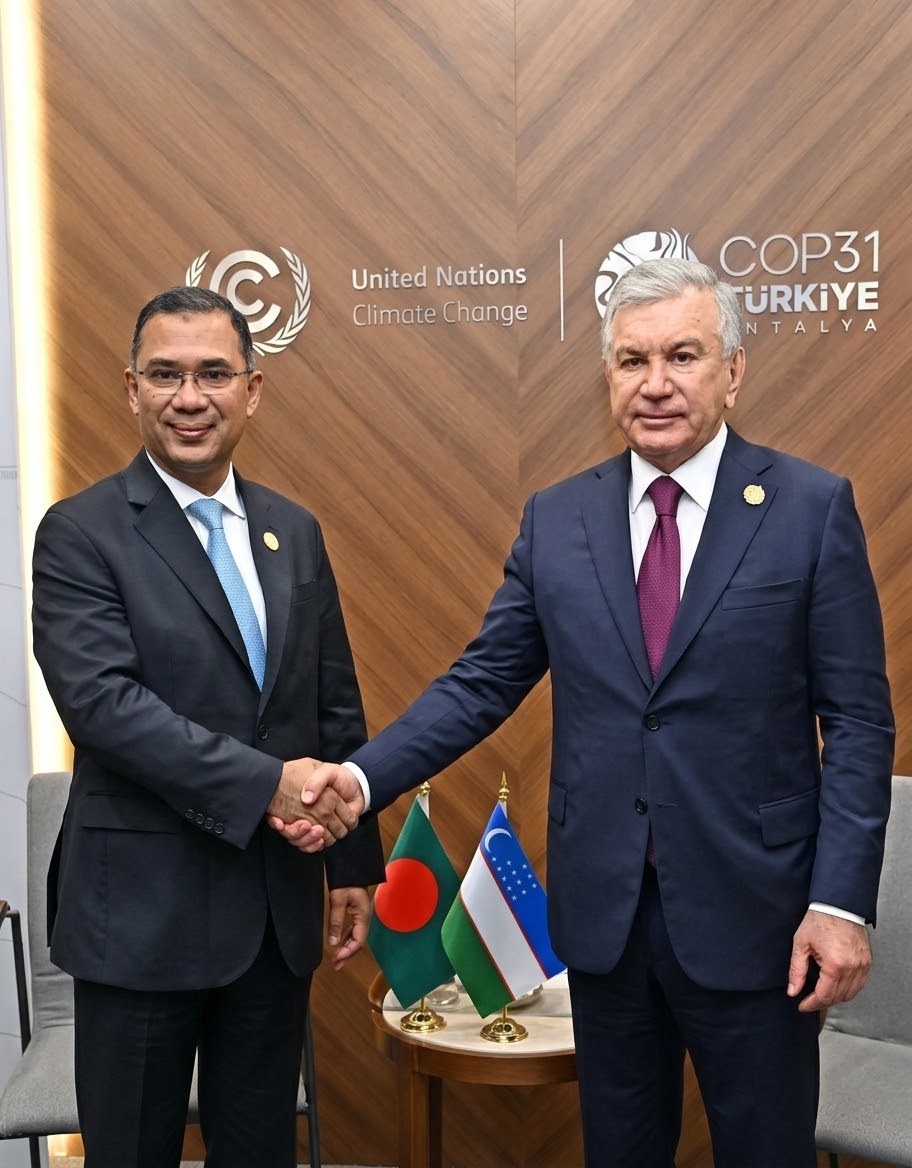
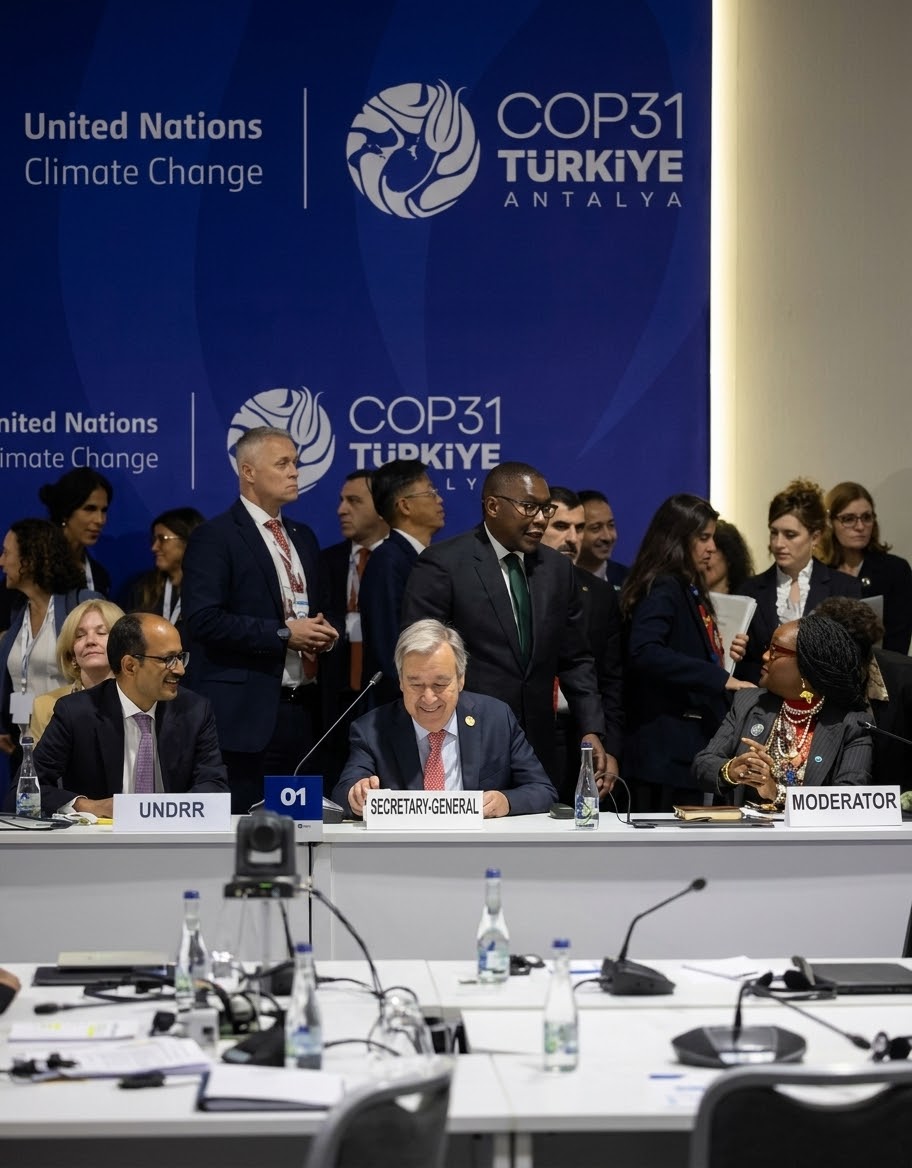
Zubaida made the remarks on Wednesday at a high-level meeting of spouses of heads of state and government under the Global Zero Waste Alliance, held as part of the United Nations Climate Change Conference (COP31) in Antalya, Türkiye. The meeting was convened by Turkish First Lady Emine Erdoğan.
At the beginning of her address, Zubaida thanked Emine Erdoğan for organising the meeting and described her leadership in advancing zero-waste initiatives as inspiring.
She said Bangladesh strongly welcomed and supported the Global Zero Waste Alliance, adding that the country’s goals of building a clean environment, healthier communities and a sustainable future were aligned with the initiative.
Highlighting Bangladesh’s waste management efforts, Zubaida said the government was promoting waste reduction, reuse and recycling through its “Three Rs” strategy. The country’s Solid Waste Management Rules also place emphasis on waste segregation and safe disposal.
She noted that Bangladesh’s Nationally Determined Contribution (NDC 3.0) sets a target of reducing emissions from the waste sector by 1.78 million tonnes of carbon dioxide equivalent by 2035.
Outlining the government’s priorities, she said Bangladesh was focusing on recycling, compost production, landfill gas recovery, waste-to-energy generation and advanced wastewater treatment. Initiatives were also being taken to ensure the segregation, treatment and environmentally safe disposal of waste from medical and healthcare facilities.
Referring to a waste-to-energy project in Dhaka, Zubaida said it was designed to process 3,000 tonnes of household waste every day and generate 42.5 megawatts of electricity.
The government plans to expand similar projects to other major cities, she said, adding that the initiative aims to convert urban waste into clean energy while protecting the environment.
On reducing plastic pollution, she described jute, known as Bangladesh’s “golden fibre”, as a natural alternative to plastic. The government is working to increase the use of jute-based products in place of plastic, she said.
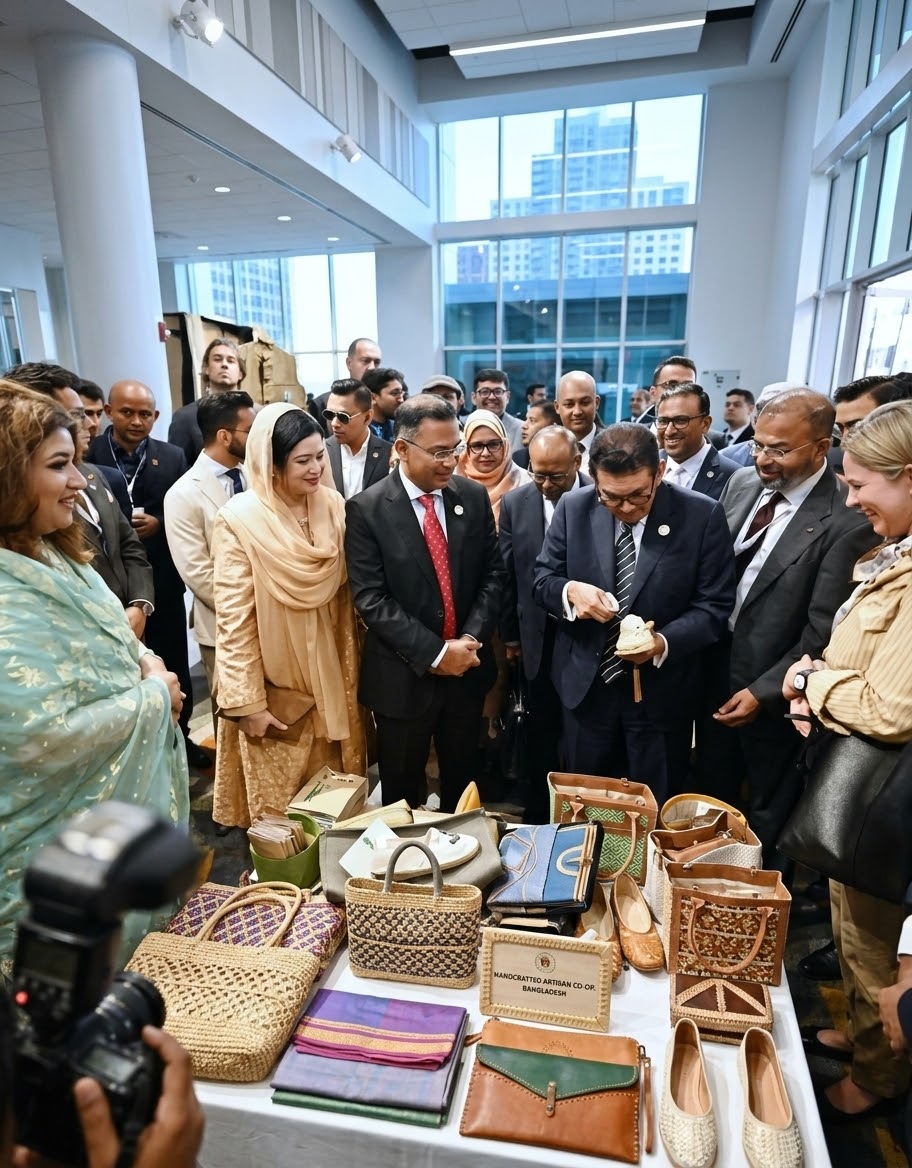
She also invited participants to visit the Bangladesh Jute Pavilion in the Green Zone of the conference. In addition, she highlighted initiatives to keep the country’s lakes, canals, ponds and other water bodies clean.
Speaking about Bangladesh’s commitment to reducing methane emissions, Zubaida said the country was working towards lowering methane emissions as a signatory to the Global Methane Pledge.
To achieve this, Bangladesh was promoting climate-friendly agriculture and improved rice cultivation practices. Initiatives were also underway to produce organic fertiliser and clean energy from organic waste, she added.
Zubaida also stressed the importance of engaging young people in waste management efforts. Environmental awareness, she said, should begin at home, in schools and within communities.
Young people are not only future leaders but also important partners in addressing environmental challenges today, she noted.
Concluding her speech, Zubaida said waste should not be discarded without exploring its potential uses. Instead, it should be transformed into a resource, a source of energy and an opportunity for economic growth.
She called for turning waste into resources, pollution into solutions and commitments into concrete action.
Bangladesh, she said, was fully prepared to strengthen global cooperation and help translate collective commitments into practical results.