Dhaka 2:30 pm, Sunday, 7 June 2026

Proposal for Judge Appointments via Supreme Council, Applications Invited through Public Notice

Reporter Name
  • Update Time : 04:26:15 am, Saturday, 18 January 2025
  • / 418 Time View

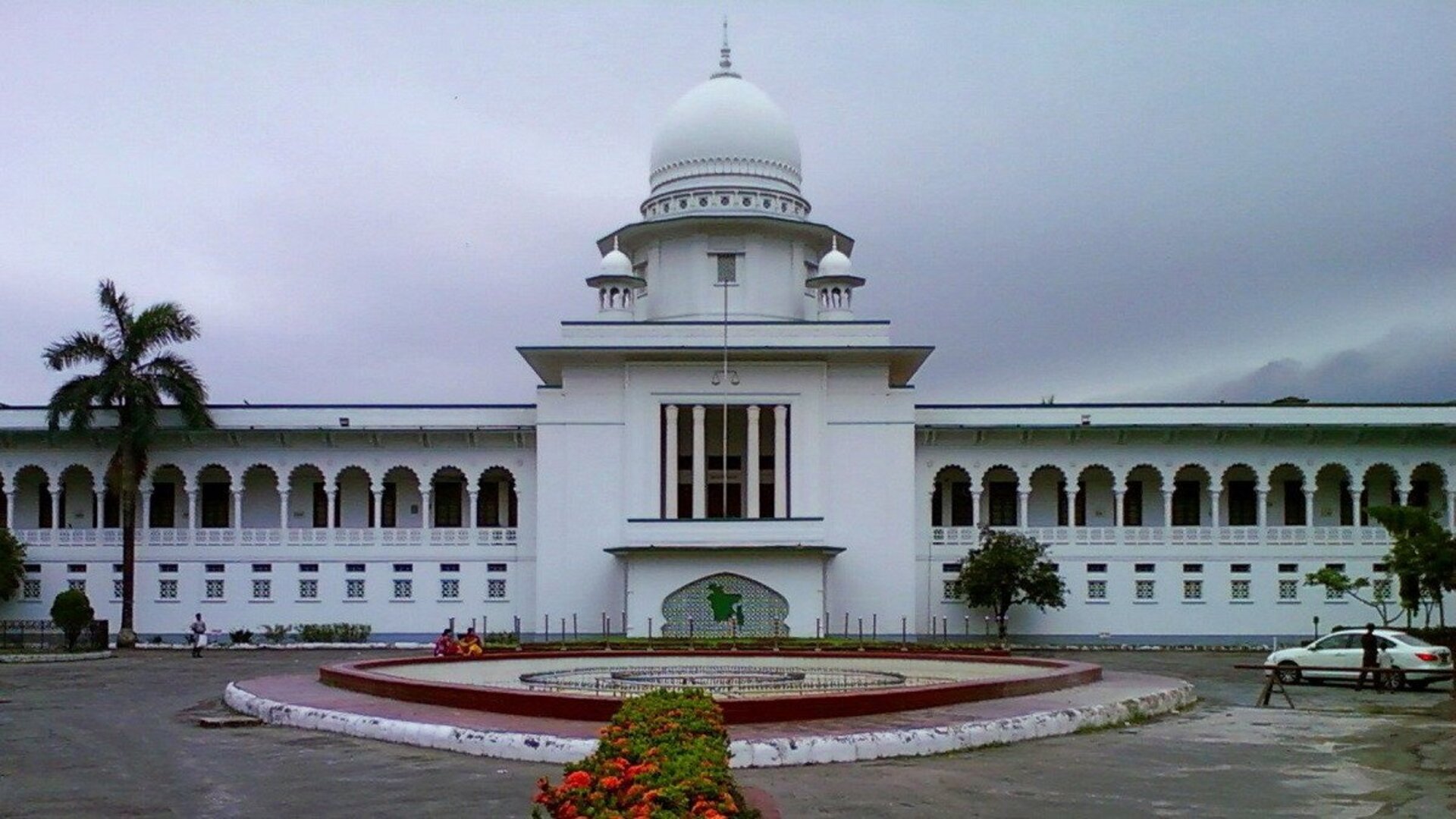
The Advisory Council approved the draft ordinance last Thursday to establish the “Supreme Judicial Appointment Council,” which will oversee the appointment of judges in the High Court and Appellate Division. Experts noted that although the Constitution had mandated a policy for judicial appointments 47 years ago, successive political governments failed to implement it, favoring personal selections instead. This law, however, aims to ensure impartial and merit-based appointments. A similar reform occurred in 2007 under a caretaker government, separating judicial services.


The new law proposes forming a permanent council to advise the President and assist the Chief Justice in appointing judges. The council, chaired by the Chief Justice, will include senior judges from the Appellate and High Court divisions, the Attorney General, the Supreme Court Bar Association president, a retired Appellate Division judge, and a university law professor. The Supreme Court Registrar General will serve as secretary.


Former District Judge Shahjahan Saju praised the initiative, stating it would foster neutrality and merit-based appointments. The council will collect information on eligible candidates, issue public notices for applications, and shortlist and interview suitable individuals before making recommendations. Permanent High Court judges will be appointed from additional judges, based on council recommendations. Vacancies in the Appellate Division will be filled from senior High Court judges, with the President making appointments within 15 days of receiving the Chief Justice’s advice.


The council will also determine the required number of judges based on pending cases and anticipated vacancies, consulting with the President as needed. Candidates must be at least 45 years old, have no dual citizenship, and possess professional competence, experience, and training. For High Court appointments, factors like case disposal rates, judgment quality, and integrity will be assessed. For Appellate Division appointments, seniority and performance as High Court judges will be considered.


The law is expected to bring transparency and efficiency to judicial appointments, allowing experienced district judges to contribute to the higher judiciary. Muhammad Mazharul Islam, General Secretary of the Bangladesh Judicial Service Association, expressed optimism, emphasizing the benefits of experienced judges from lower courts contributing to the High

Court.
 

Tag :

Please Share This Post in Your Social Media

Proposal for Judge Appointments via Supreme Council, Applications Invited through Public Notice

Update Time : 04:26:15 am, Saturday, 18 January 2025

The Advisory Council approved the draft ordinance last Thursday to establish the “Supreme Judicial Appointment Council,” which will oversee the appointment of judges in the High Court and Appellate Division. Experts noted that although the Constitution had mandated a policy for judicial appointments 47 years ago, successive political governments failed to implement it, favoring personal selections instead. This law, however, aims to ensure impartial and merit-based appointments. A similar reform occurred in 2007 under a caretaker government, separating judicial services.


The new law proposes forming a permanent council to advise the President and assist the Chief Justice in appointing judges. The council, chaired by the Chief Justice, will include senior judges from the Appellate and High Court divisions, the Attorney General, the Supreme Court Bar Association president, a retired Appellate Division judge, and a university law professor. The Supreme Court Registrar General will serve as secretary.


Former District Judge Shahjahan Saju praised the initiative, stating it would foster neutrality and merit-based appointments. The council will collect information on eligible candidates, issue public notices for applications, and shortlist and interview suitable individuals before making recommendations. Permanent High Court judges will be appointed from additional judges, based on council recommendations. Vacancies in the Appellate Division will be filled from senior High Court judges, with the President making appointments within 15 days of receiving the Chief Justice’s advice.


The council will also determine the required number of judges based on pending cases and anticipated vacancies, consulting with the President as needed. Candidates must be at least 45 years old, have no dual citizenship, and possess professional competence, experience, and training. For High Court appointments, factors like case disposal rates, judgment quality, and integrity will be assessed. For Appellate Division appointments, seniority and performance as High Court judges will be considered.


The law is expected to bring transparency and efficiency to judicial appointments, allowing experienced district judges to contribute to the higher judiciary. Muhammad Mazharul Islam, General Secretary of the Bangladesh Judicial Service Association, expressed optimism, emphasizing the benefits of experienced judges from lower courts contributing to the High

Court.