Dhaka 10:34 am, Sunday, 26 July 2026

Task Force Recommends Ban on Campus Politics

Reporter Name
  • Update Time : 11:57:44 am, Sunday, 2 February 2025
  • / 410 Time View

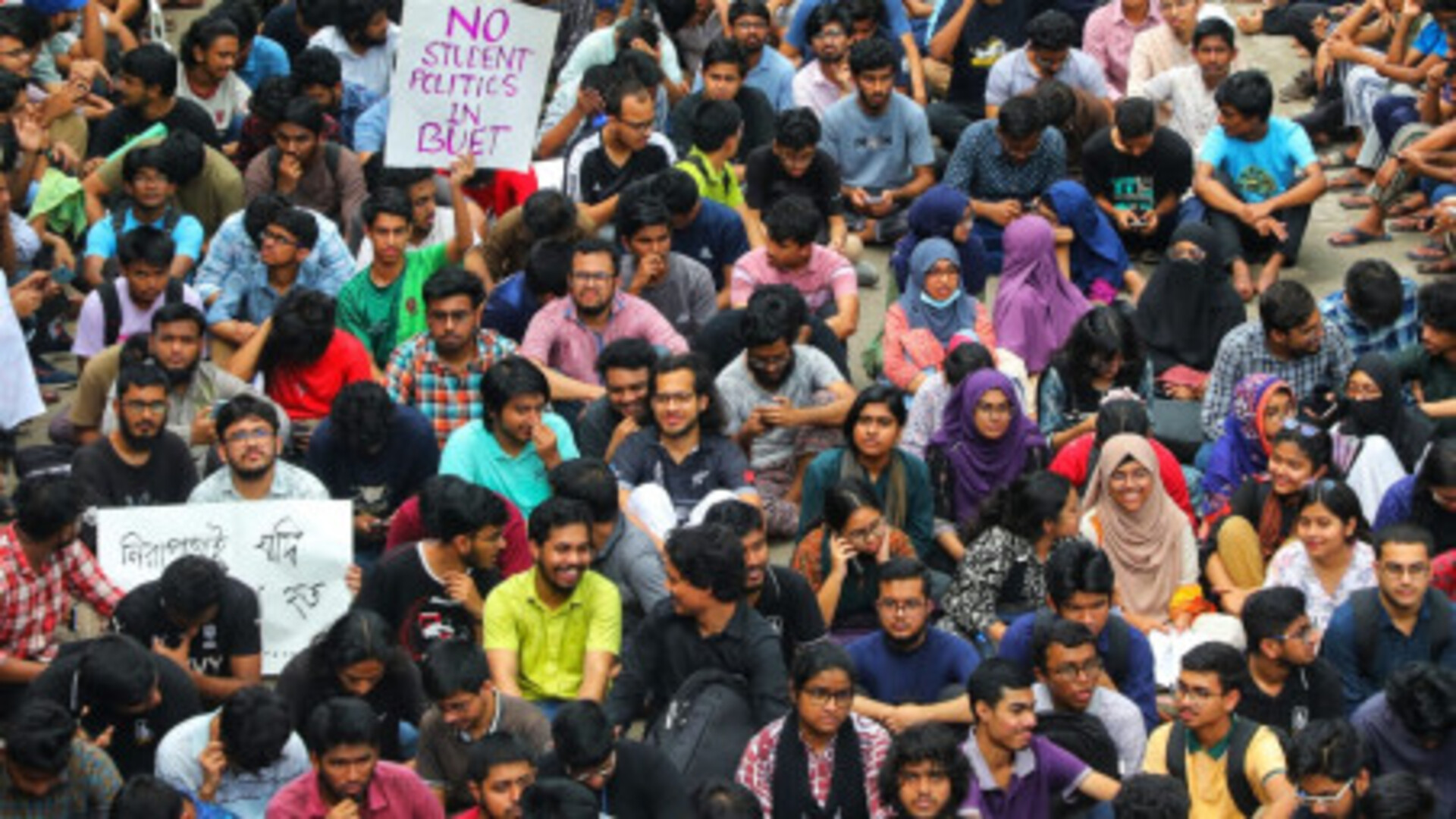
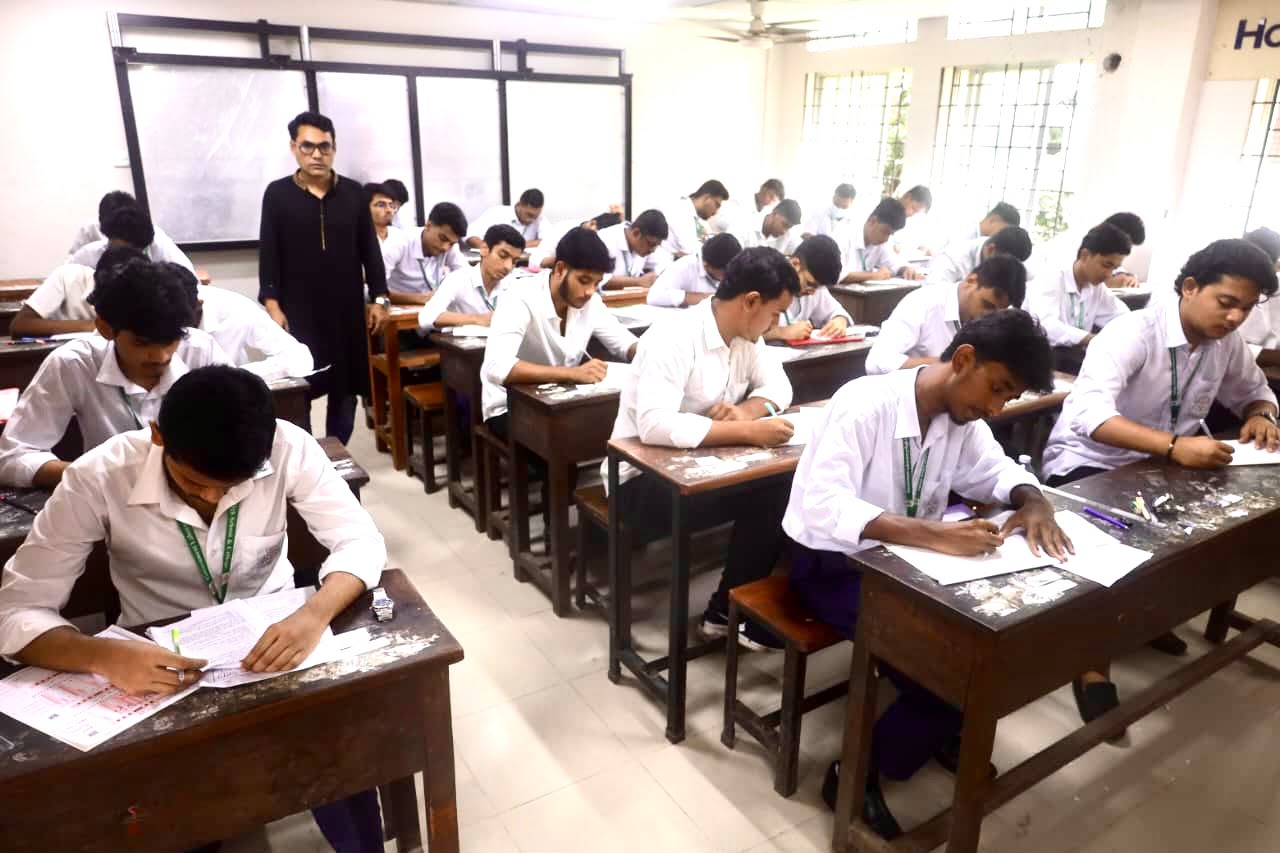
The interim government’s task force on economic reforms has recommended a complete ban on student politics in all public and private universities across the country. In its recently submitted report, the task force also suggested introducing a unified university entrance exam, modeled after internationally recognized aptitude tests like the SAT and GRE, for admissions to both public and private universities.


The report, titled “Task Force Report on Re-strategising the Economy and Mobilising Resources for Equitable and Sustainable Development,” was presented by Planning Adviser Wahiduddin Mahmud to Chief Adviser Muhammad Yunus on January 30. It highlighted that most graduates are earning degrees that have little relevance to the current job market, emphasizing the need to strengthen Bangladesh’s education system at all levels for sustainable development.


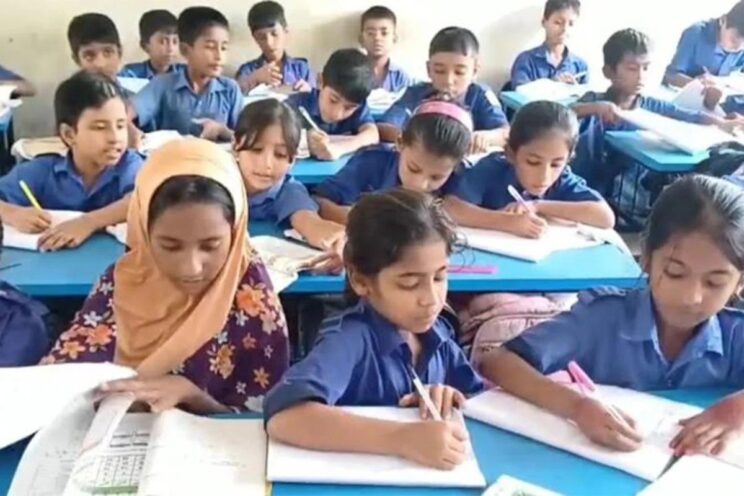
The task force outlined several key recommendations to create an inclusive, resilient, and high-quality education system. These include standardizing primary and secondary education systems to align with national policies, revising teaching and assessment methods to focus on stress-free learning, and incorporating life skills and moral education. It called for a comprehensive assessment of school facilities, including digital classrooms and menstrual hygiene-friendly toilets, alongside increased investments in ICT infrastructure and digital learning materials.


To address financial barriers, the task force recommended expanding scholarships and school meal programs while also introducing public expenditure tracking to ensure efficient use of resources. Merging certain public and private universities was proposed to optimize funding and improve global rankings. The report suggested encouraging top universities to adopt American curricula, use English as the primary language of instruction, and attract foreign faculty and students.


The task force advocated for mandatory community service for students, stricter laws against question paper leaks, and abolishing the auto-pass system. It recommended merit-based recruitment and performance-based promotions for university faculty, alongside the implementation of a “No PhD, No Professor” policy, requiring PhDs from internationally recognized institutions for academic promotions. Academic freedom and university autonomy were also highlighted as essential, along with increased government funding for both public and private universities to help them achieve world-class status.


Further recommendations included promoting international collaborations, improving teacher-student ratios, revising teacher recruitment standards and pay scales, and implementing targeted programs for girls, children with disabilities, and those from marginalized communities. Strengthening school governance and resolving administrative conflicts were also emphasized to improve the overall education system.

Tag :

Please Share This Post in Your Social Media

Task Force Recommends Ban on Campus Politics

Update Time : 11:57:44 am, Sunday, 2 February 2025

The interim government’s task force on economic reforms has recommended a complete ban on student politics in all public and private universities across the country. In its recently submitted report, the task force also suggested introducing a unified university entrance exam, modeled after internationally recognized aptitude tests like the SAT and GRE, for admissions to both public and private universities.


The report, titled “Task Force Report on Re-strategising the Economy and Mobilising Resources for Equitable and Sustainable Development,” was presented by Planning Adviser Wahiduddin Mahmud to Chief Adviser Muhammad Yunus on January 30. It highlighted that most graduates are earning degrees that have little relevance to the current job market, emphasizing the need to strengthen Bangladesh’s education system at all levels for sustainable development.


The task force outlined several key recommendations to create an inclusive, resilient, and high-quality education system. These include standardizing primary and secondary education systems to align with national policies, revising teaching and assessment methods to focus on stress-free learning, and incorporating life skills and moral education. It called for a comprehensive assessment of school facilities, including digital classrooms and menstrual hygiene-friendly toilets, alongside increased investments in ICT infrastructure and digital learning materials.

 

To address financial barriers, the task force recommended expanding scholarships and school meal programs while also introducing public expenditure tracking to ensure efficient use of resources. Merging certain public and private universities was proposed to optimize funding and improve global rankings. The report suggested encouraging top universities to adopt American curricula, use English as the primary language of instruction, and attract foreign faculty and students.


The task force advocated for mandatory community service for students, stricter laws against question paper leaks, and abolishing the auto-pass system. It recommended merit-based recruitment and performance-based promotions for university faculty, alongside the implementation of a “No PhD, No Professor” policy, requiring PhDs from internationally recognized institutions for academic promotions. Academic freedom and university autonomy were also highlighted as essential, along with increased government funding for both public and private universities to help them achieve world-class status.


Further recommendations included promoting international collaborations, improving teacher-student ratios, revising teacher recruitment standards and pay scales, and implementing targeted programs for girls, children with disabilities, and those from marginalized communities. Strengthening school governance and resolving administrative conflicts were also emphasized to improve the overall education system.