Dhaka 12:43 pm, Tuesday, 21 April 2026

Never Used in Elections, Yet Over 100,000 EVMs Defunct

Reporter Name
  • Update Time : 06:12:15 am, Sunday, 16 March 2025
  • / 286 Time View

During the Awami League government, one of the most controversial projects was the procurement of electronic voting machines (EVMs) through the Nurul Huda-led Election Commission. Despite strong political opposition, the government purchased 150,000 EVMs, with the promise that they would function smoothly for at least ten years. However, within just six years, 100,000 of these machines have already become non-functional, raising serious concerns about mismanagement and corruption in the nearly Tk 4,000 crore project.


The use of EVMs in elections has long been a contentious issue. Bangladesh first experimented with EVMs in a few polling stations during the 2010 Chattogram City Corporation elections. In 2017, the Election Commission discarded 1,100 faulty EVMs and introduced a second version, which was used in limited capacity in several elections, including Rangpur City Corporation. However, those machines were also scrapped due to defects.


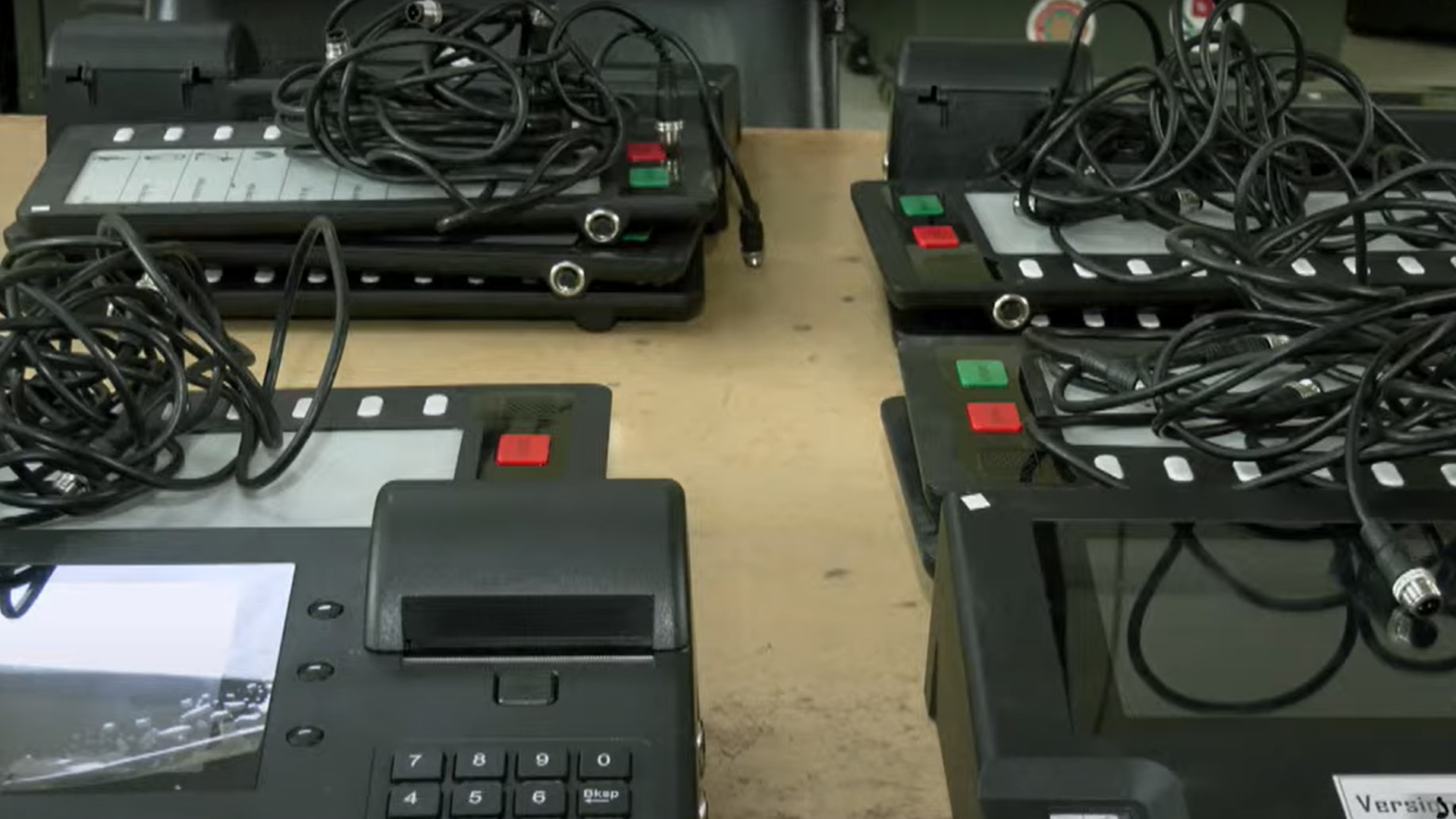
Finally, in 2018, the Election Commission, under Chief Election Commissioner Nurul Huda, launched a massive Tk 4,000 crore project to procure the latest-generation EVMs. But due to poor maintenance, a vast number of these costly machines have deteriorated, with images revealing how they were left abandoned for years. When questioned, former Election Commissioner Rafiqul Islam distanced himself from the decision, stating that such matters were handled by the Chief Election Commissioner and the Secretariat.


Project officials had repeatedly requested a dedicated warehouse for EVM maintenance, but no action was taken. Now, with the project’s tenure expired and the current Election Commission deciding not to use EVMs in upcoming elections, the matter has largely been ignored. Senior Secretary of the Election Commission Akhter Ahmed admitted that the issue was not under consideration anymore.


Transparency International Bangladesh (TIB) Executive Director Iftekharuzzaman pointed out that the EVM project had two main purposes—one being to serve the ruling party’s political interests. He called for an investigation into whether corruption was involved. Similarly, Badiul Alam Majumdar, Secretary of Shushashoner Jonno Nagorik (SUJAN), stressed the need for an inquiry to determine the real motives behind the massive expenditure and to hold those responsible accountable.
 

Tag :

Please Share This Post in Your Social Media

Never Used in Elections, Yet Over 100,000 EVMs Defunct

Update Time : 06:12:15 am, Sunday, 16 March 2025

During the Awami League government, one of the most controversial projects was the procurement of electronic voting machines (EVMs) through the Nurul Huda-led Election Commission. Despite strong political opposition, the government purchased 150,000 EVMs, with the promise that they would function smoothly for at least ten years. However, within just six years, 100,000 of these machines have already become non-functional, raising serious concerns about mismanagement and corruption in the nearly Tk 4,000 crore project.


The use of EVMs in elections has long been a contentious issue. Bangladesh first experimented with EVMs in a few polling stations during the 2010 Chattogram City Corporation elections. In 2017, the Election Commission discarded 1,100 faulty EVMs and introduced a second version, which was used in limited capacity in several elections, including Rangpur City Corporation. However, those machines were also scrapped due to defects.


Finally, in 2018, the Election Commission, under Chief Election Commissioner Nurul Huda, launched a massive Tk 4,000 crore project to procure the latest-generation EVMs. But due to poor maintenance, a vast number of these costly machines have deteriorated, with images revealing how they were left abandoned for years. When questioned, former Election Commissioner Rafiqul Islam distanced himself from the decision, stating that such matters were handled by the Chief Election Commissioner and the Secretariat.


Project officials had repeatedly requested a dedicated warehouse for EVM maintenance, but no action was taken. Now, with the project’s tenure expired and the current Election Commission deciding not to use EVMs in upcoming elections, the matter has largely been ignored. Senior Secretary of the Election Commission Akhter Ahmed admitted that the issue was not under consideration anymore.


Transparency International Bangladesh (TIB) Executive Director Iftekharuzzaman pointed out that the EVM project had two main purposes—one being to serve the ruling party’s political interests. He called for an investigation into whether corruption was involved. Similarly, Badiul Alam Majumdar, Secretary of Shushashoner Jonno Nagorik (SUJAN), stressed the need for an inquiry to determine the real motives behind the massive expenditure and to hold those responsible accountable.