913 Rice Mills in Rajshahi Face Penalty

- Update Time : 03:23:23 am, Sunday, 2 March 2025
- / 373 Time View
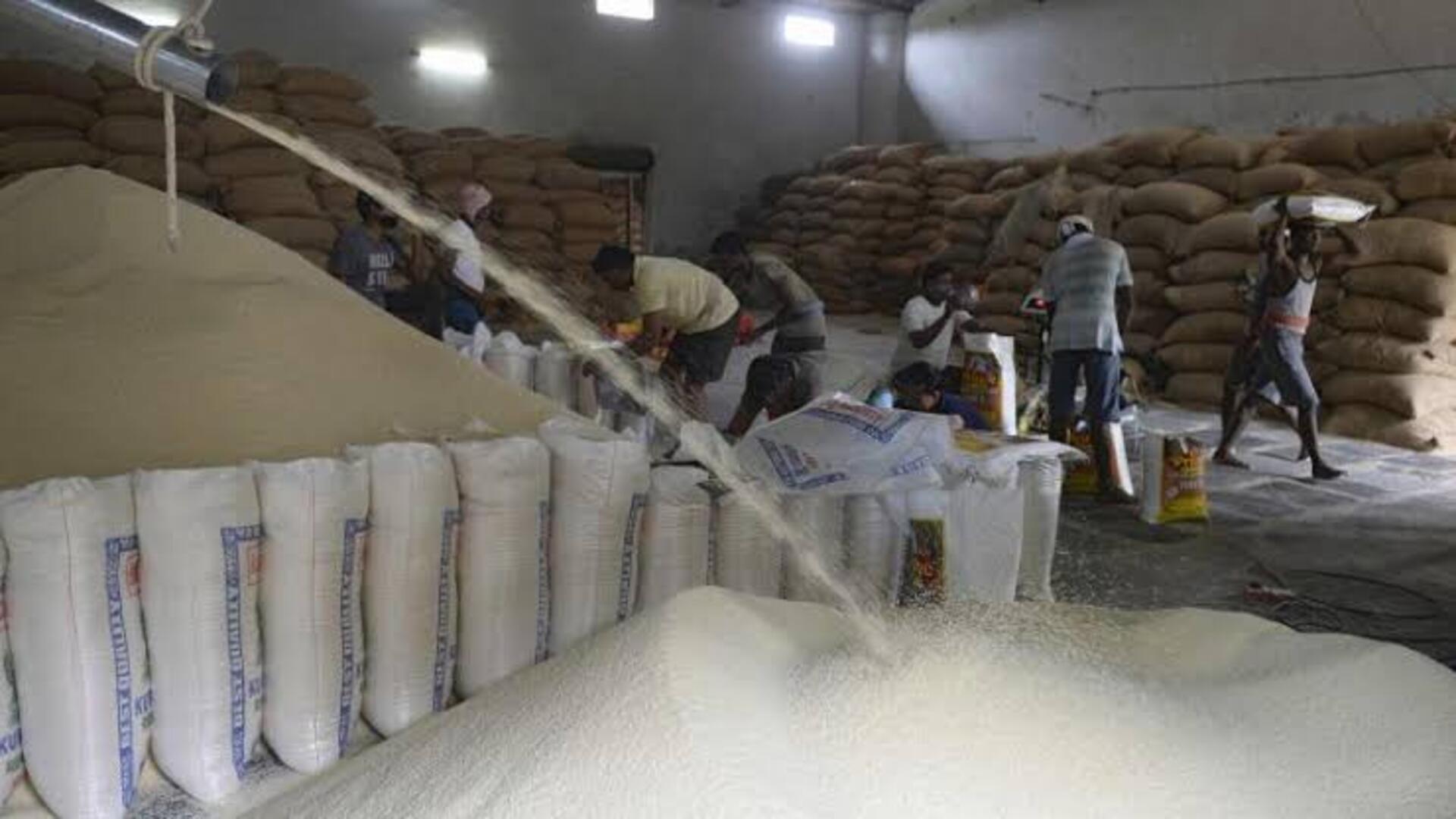

Rajshahi Division is facing a supply shortfall as 913 rice mills risk penalties for failing to meet contractual obligations. The Food Department attributes this shortfall to a lack of interest from both farmers and millers, which has resulted in the failure to meet the procurement target this year. As a consequence, the authorities may cancel contracts, suspend registrations, and forfeit security deposits of the defaulting mills.
Despite several deadline extensions over the past three months, the procurement target for Aman paddy and rice in Rajshahi Division remains unmet. The government aimed to purchase approximately 56,500 tons of paddy but managed to collect only 828 tons. For boiled rice, the target was 111,263 tons, but only 94,707 tons were procured, while Atap rice procurement fell short by 2,362 tons.
Out of the 2,030 rice mills in the eight districts under Rajshahi Division that had contracts with the Food Directorate, 751 mills—including 45 auto-rice mills—did not sign contracts. Additionally, 162 mills failed to deliver rice despite having agreements. Only 30 mills supplied 80% of the required rice, while 71 mills managed to supply 50%. Due to these failures, the Food Ministry is taking action against 913 mills, including canceling two-year contracts, suspending registrations, and seizing security deposits.
Rajshahi Regional Food Controller Main Uddin told Somoy Sangbad that mills that supplied at least 60% of the contracted rice would receive their security deposits back under special consideration. Those that delivered less would receive partial refunds in proportion to their supply.
Millers argue that selling paddy at government rates would result in a loss of at least 1,000 BDT per maund (about 37.3 kg), while losses on rice would be around 3–4 BDT per kg. However, a recent study by the Bangladesh Rice Research Institute suggests that rice mill owners earn a profit of 8–13 BDT per kg from selling rice and its byproducts.
Analysts claim that due to higher prices this year, much of the rice supplied to government warehouses was from previous years’ stock. Many blame the Food Department for setting purchase prices lower than market rates, creating inefficiencies and encouraging manipulation.
Subrata Kumar Pal, Chief Consultant at the Rajshahi-based NGO CDIR, stated that government-imposed procurement policies often distort market prices, forcing farmers and millers to sell below fair value. As a result, the government ends up collecting lower-quality rice, which ultimately affects consumers.
For the Aman season, the government set procurement prices at 33 BDT per kg for paddy, 47 BDT per kg for boiled rice, and 46 BDT per kg for Atap rice.