Dhaka 11:26 pm, Friday, 24 July 2026

Helal Hafiz: Farewell to a Solitary Life

Reporter Name
  • Update Time : 09:08:44 am, Saturday, 14 December 2024
  • / 654 Time View

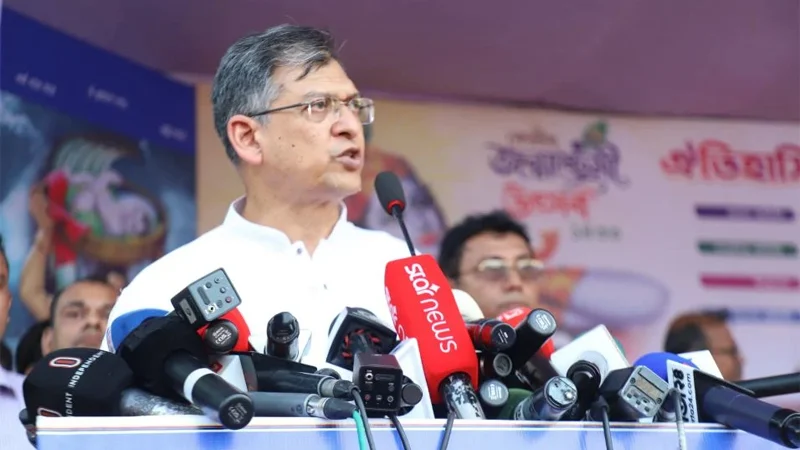
Poet Helal Hafiz will live on through his poetry, as stated by Mustafa Sarwar Farooqi, Adviser to the Ministry of Culture. Speaking on Saturday at the Bangla Academy premises after the first funeral prayer for the poet, Farooqi remarked that Hafiz chose a solitary life. Whether he regretted this choice remains unknown. However, the Ministry of Culture intends to honor the legacy of the late poet, with announcements expected soon.

Farooqi highlighted that no other poet in the nation’s literary history has wielded such influence with just one poetry collection. His contributions to the cultural fabric of Bangladesh are irreplaceable, he added. Despite having published few works, Helal Hafiz’s poetry resonates as an anthem for youth and passion—a rare achievement.

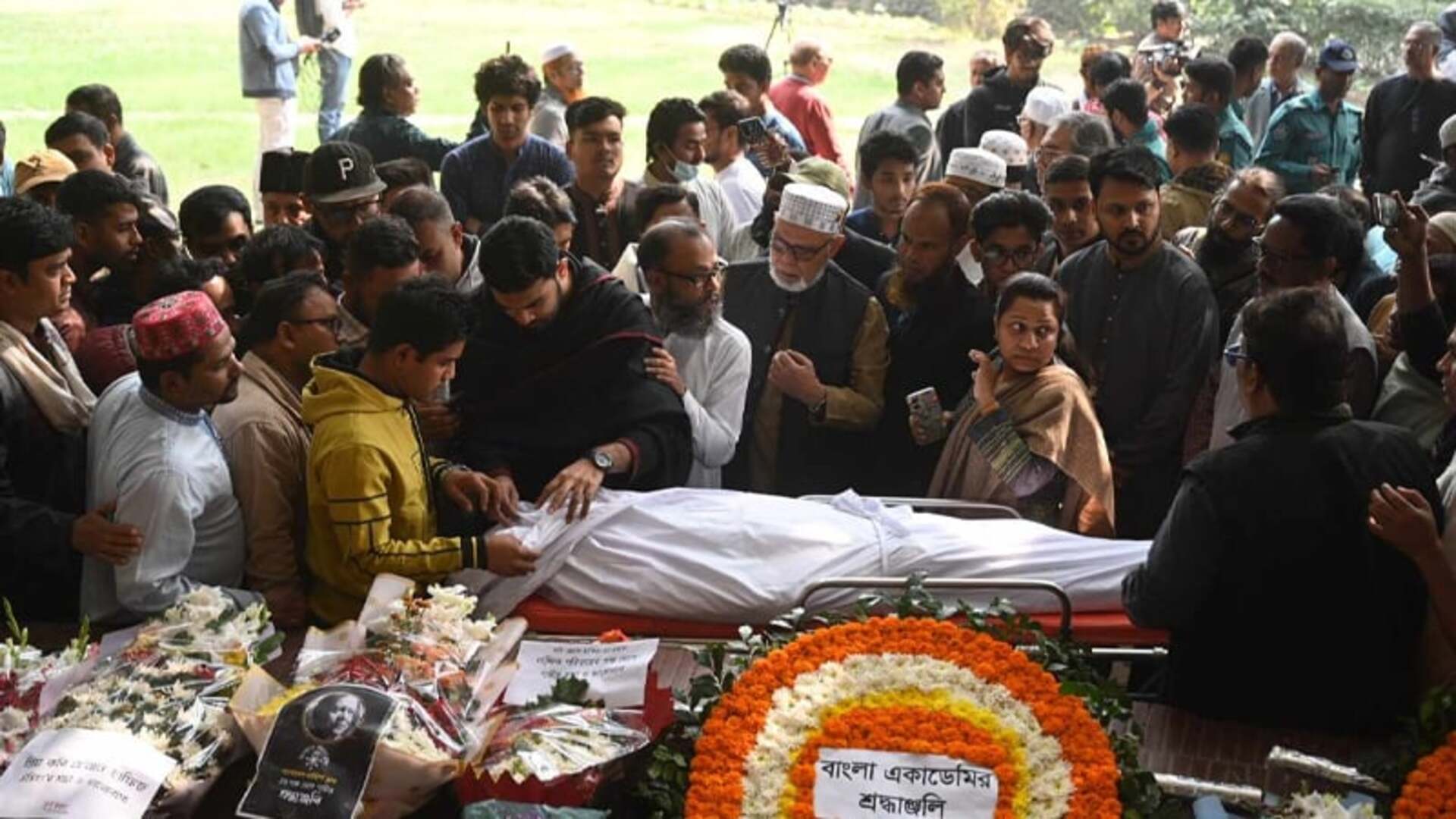
The poet’s colleagues, friends, and admirers gathered to bid farewell, with many visibly moved. After the prayer, floral tributes were offered at the coffin. Later in the day, Hafiz’s body was taken to the National Press Club for a second funeral prayer and subsequently laid to rest at the Mirpur Martyred Intellectuals’ Graveyard.

Helal Hafiz, born on October 7, 1948, in Netrokona, gained national acclaim with his 1986 debut poetry collection Je Jole Agun Jole (The Water That Burns), which remains immensely popular and has been reprinted over 33 times. His works, including the iconic poem Nishiddho Sampadokiyo (The Forbidden Editorial), became synonymous with resistance during the anti-autocracy movements of the 1980s. Recognized with the Bangla Academy Award in 2013, Hafiz’s legacy remains an integral part of Bangladesh’s cultural and literary heritage.

Please Share This Post in Your Social Media

Helal Hafiz: Farewell to a Solitary Life

Update Time : 09:08:44 am, Saturday, 14 December 2024

Poet Helal Hafiz will live on through his poetry, as stated by Mustafa Sarwar Farooqi, Adviser to the Ministry of Culture. Speaking on Saturday at the Bangla Academy premises after the first funeral prayer for the poet, Farooqi remarked that Hafiz chose a solitary life. Whether he regretted this choice remains unknown. However, the Ministry of Culture intends to honor the legacy of the late poet, with announcements expected soon.

Farooqi highlighted that no other poet in the nation’s literary history has wielded such influence with just one poetry collection. His contributions to the cultural fabric of Bangladesh are irreplaceable, he added. Despite having published few works, Helal Hafiz’s poetry resonates as an anthem for youth and passion—a rare achievement.

The poet’s colleagues, friends, and admirers gathered to bid farewell, with many visibly moved. After the prayer, floral tributes were offered at the coffin. Later in the day, Hafiz’s body was taken to the National Press Club for a second funeral prayer and subsequently laid to rest at the Mirpur Martyred Intellectuals’ Graveyard.

Helal Hafiz, born on October 7, 1948, in Netrokona, gained national acclaim with his 1986 debut poetry collection Je Jole Agun Jole (The Water That Burns), which remains immensely popular and has been reprinted over 33 times. His works, including the iconic poem Nishiddho Sampadokiyo (The Forbidden Editorial), became synonymous with resistance during the anti-autocracy movements of the 1980s. Recognized with the Bangla Academy Award in 2013, Hafiz’s legacy remains an integral part of Bangladesh’s cultural and literary heritage.