Dhaka 3:42 am, Monday, 3 August 2026

Arsenic Contamination in Rice: A Warning for Bangladesh and Other Asian Countries

Reporter Name
  • Update Time : 10:54:06 am, Sunday, 20 April 2025
  • / 421 Time View

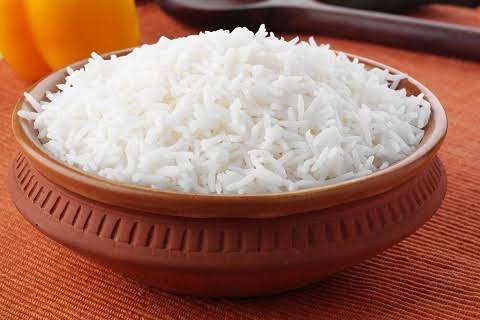
Arsenic contamination is no longer confined to drinking water—it has now found its way into the very staple of life in South Asia: rice. A recent study published in The Lancet Planetary Health by Columbia University environmental scientist Lewis Ziska and his team has raised alarms about dangerous levels of arsenic accumulating in rice paddies across countries like Bangladesh, India, Nepal, Thailand, and Vietnam. Over a decade-long research effort, the scientists examined 28 varieties of rice and confirmed arsenic presence, with particular concern for the type known as arsenic-3 or arsenite, considered the most toxic.


The study highlights that climate change, especially the increase in atmospheric carbon dioxide, along with excessive use of pesticides, is contributing to the contamination of soil and groundwater. Since much of the irrigation in these regions relies on arsenic-contaminated underground water, the toxin makes its way into rice, particularly in the boiled form most commonly consumed. This poses a serious health threat in countries like Bangladesh, where rice is the staple for most people.


According to the World Health Organization, the safe limit for arsenic is two micrograms per kilogram of body weight for adults. Surpassing this threshold increases the risk of heart disease, kidney and lung damage, various cancers, and neurological disorders. Long-term consumption of arsenic-laced rice products like puffed rice, flattened rice, and regular cooked rice can also lead to chronic skin conditions. Experts warn that unless the use of groundwater for irrigation is drastically reduced, this public health crisis will continue to grow.


 

Tag :

Please Share This Post in Your Social Media

Arsenic Contamination in Rice: A Warning for Bangladesh and Other Asian Countries

Update Time : 10:54:06 am, Sunday, 20 April 2025

Arsenic contamination is no longer confined to drinking water—it has now found its way into the very staple of life in South Asia: rice. A recent study published in The Lancet Planetary Health by Columbia University environmental scientist Lewis Ziska and his team has raised alarms about dangerous levels of arsenic accumulating in rice paddies across countries like Bangladesh, India, Nepal, Thailand, and Vietnam. Over a decade-long research effort, the scientists examined 28 varieties of rice and confirmed arsenic presence, with particular concern for the type known as arsenic-3 or arsenite, considered the most toxic.


The study highlights that climate change, especially the increase in atmospheric carbon dioxide, along with excessive use of pesticides, is contributing to the contamination of soil and groundwater. Since much of the irrigation in these regions relies on arsenic-contaminated underground water, the toxin makes its way into rice, particularly in the boiled form most commonly consumed. This poses a serious health threat in countries like Bangladesh, where rice is the staple for most people.


According to the World Health Organization, the safe limit for arsenic is two micrograms per kilogram of body weight for adults. Surpassing this threshold increases the risk of heart disease, kidney and lung damage, various cancers, and neurological disorders. Long-term consumption of arsenic-laced rice products like puffed rice, flattened rice, and regular cooked rice can also lead to chronic skin conditions. Experts warn that unless the use of groundwater for irrigation is drastically reduced, this public health crisis will continue to grow.