How a Generation from Private Universities Wrote History on the Streets of July

- Update Time : 05:39:58 am, Monday, 7 July 2025
- / 376 Time View


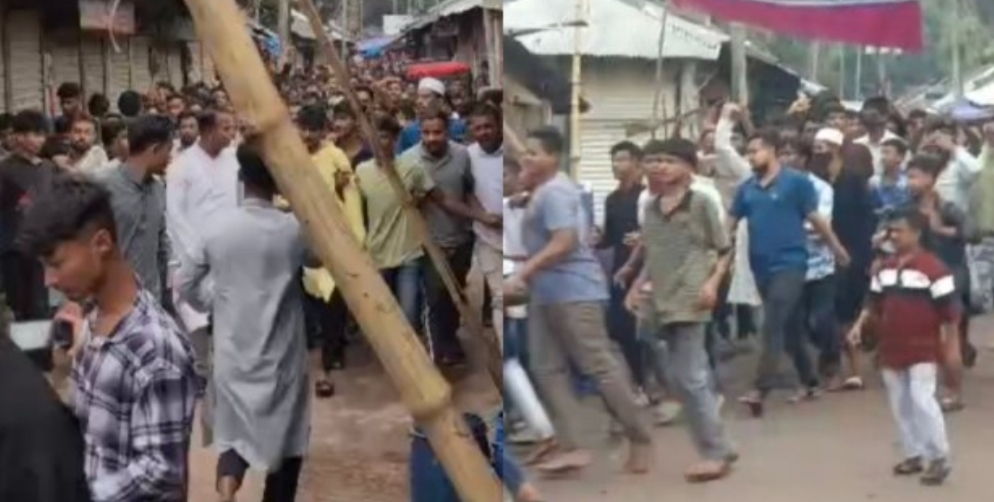
In July 2024, it wasn’t just students who walked the streets of Bangladesh—it was the courage, anger, and compassion of an entire generation that took to the frontlines. As public university dormitories were shut down by order of the University Grants Commission (UGC), it was the students from private universities who took charge of the protests. Drawing from multiple media sources, at least 19 students from 13 private universities are believed to have lost their lives in the movement, with countless others injured.
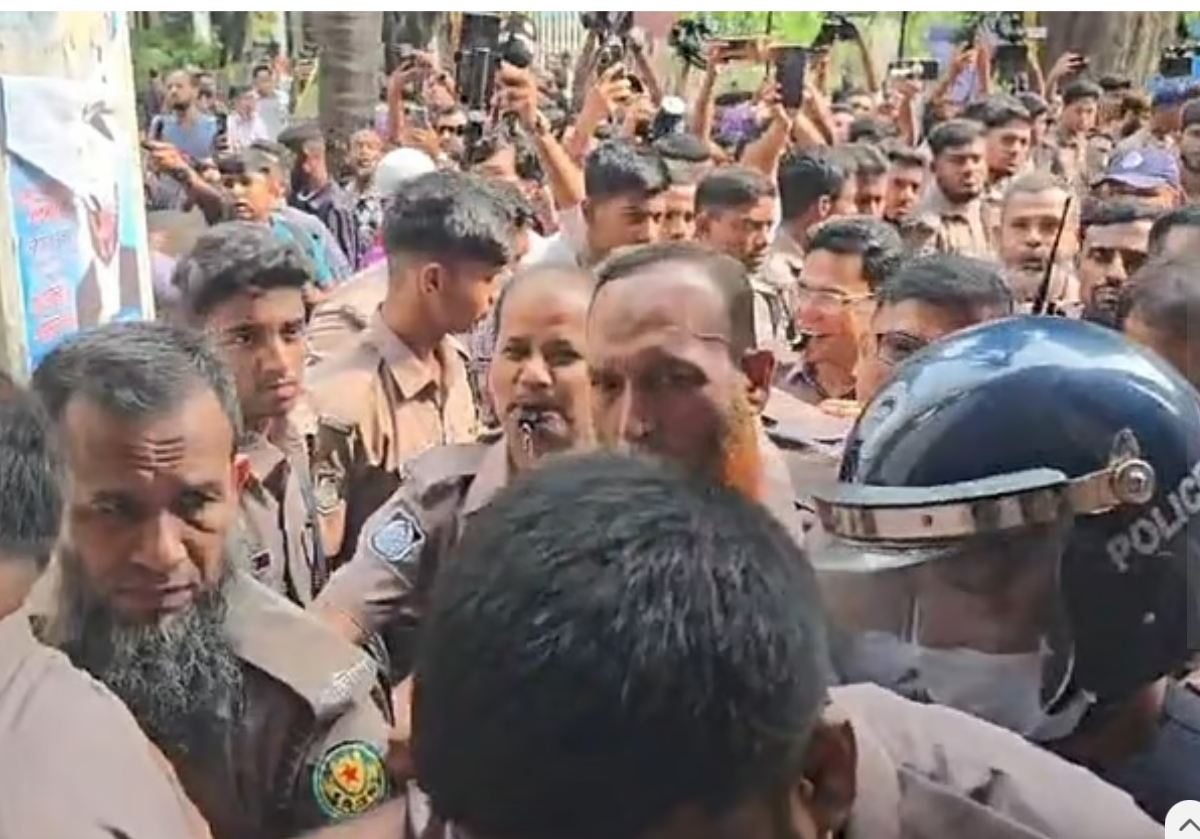
On July 31, during the “March for Justice” program, students from both public and private universities gathered near the High Court Mazar gate. In a sudden turn, police forces surrounded them. Before anyone could react, Nur Hossain, a law student from Stamford University, was taken by police. In that tense moment, fellow student Nusrat Jahan stood alone before a prison van, refusing to let her senior be taken without resistance. Her bold stance quickly became a symbol of the uprising.
Uttara became a defining site of resistance, where Mir Mahfuzur Rahman Mugdha lost his life just moments after spreading a final glimpse of inspiration. Simultaneously, areas like Badda and Rampura witnessed fierce protests led by private university students.
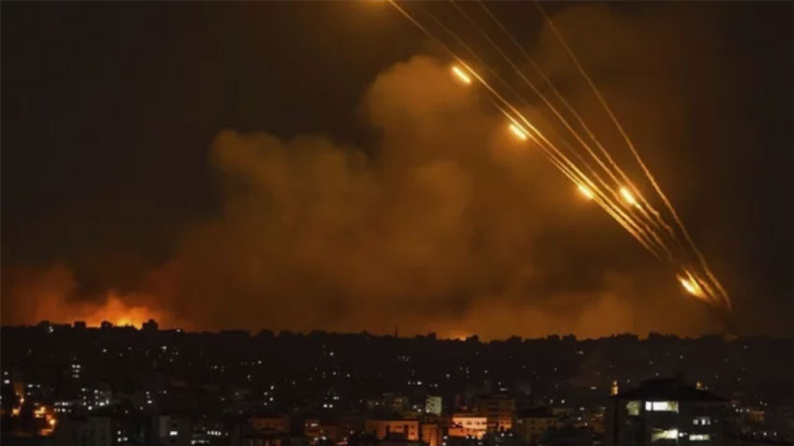
The most striking episode occurred near Merul-Badda, where a RAB helicopter reportedly launched tear gas and sound grenades toward students protesting near the Canadian University of Bangladesh. Yet students from North South, BRAC, UIU, and ULAB stood firm, unflinching.
“We weren’t there for politics—we stood for truth. We saw bullets, we saw helicopters, but we never backed down,” said many.
It was the private university students who carried the voice of protest to global platforms through Facebook Live, Instagram Stories, and Twitter posts. Their resistance was also visible in graffiti-covered walls and street slogans, continuing even after public university students were forced off campus.
Students firmly believe they were not alone—be it North South, Stamford, UIU, Daffodil, or Khulna University—every institution’s youth stood shoulder to shoulder. Together, a generation stood up for justice, even as many paid with their lives.
According to various reports, at least 17 to 19 students from private institutions were killed, with many others severely injured or permanently disabled. For those who survived, this battle wasn’t just another protest—it was a defining fight for dignity.
Nusrat’s defiance, Mugdha’s blood, and the hovering helicopter in Badda weren’t isolated incidents; they became markers of a generation’s resolve. In doing so, private university students proved that they’re not just learners of books—but when history calls—they write it.