Parties diverge on stance, yet strive to maintain unity

- Update Time : 06:31:24 am, Friday, 18 July 2025
- / 381 Time View


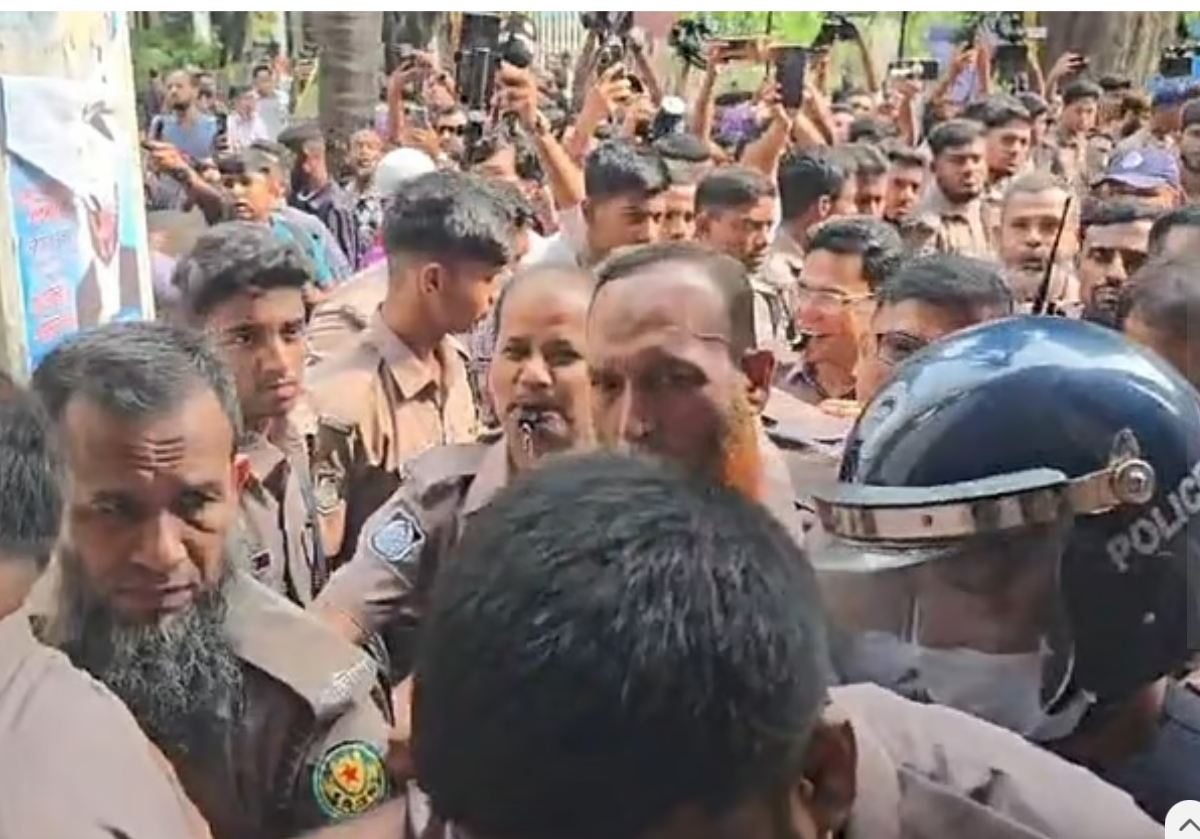
From rallying chants to platform speeches and backroom discussions, visible rifts are now emerging among the opposition alliances that once stood united against the Sheikh Hasina government just a year ago.
Disagreements Persist, but Calls for Unity Grow Louder
Public concern is rising: Has the unity among opposition forces fractured within just a year? Despite differences in approaches and opinions, many leaders insist these are signs of democratic diversity, not division. They argue that each political party naturally maintains its own agenda and ideology, and such variance is to be expected in a functioning democracy.
Yet, political leaders also warn that unchecked disunity could lead the country into deeper political turmoil—prompting a growing call for renewed coordination.
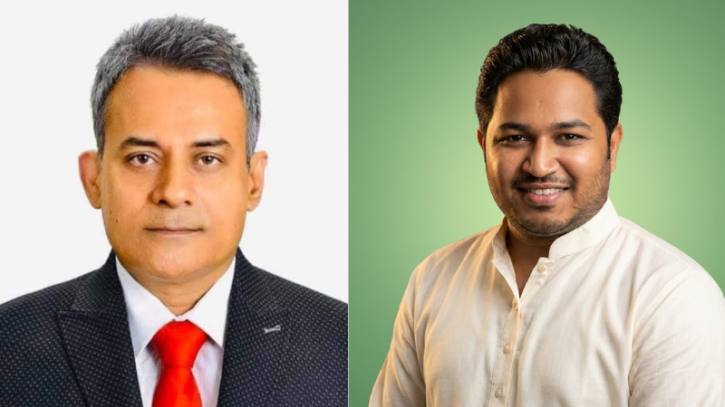
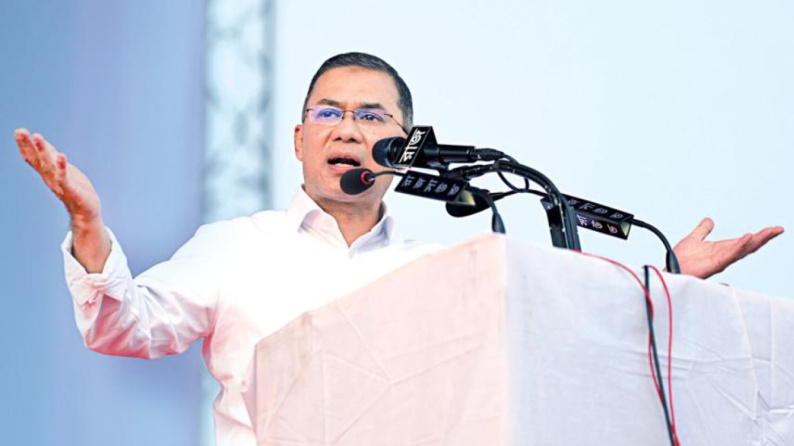
BNP Standing Committee member Amir Khosru Mahmud Chowdhury stated:
“Every party has its own philosophy and vision—so some distance is natural. The key is to agree on issues where consensus is possible. Beyond that, each group must take their case to the public.”
He further warned that dwelling too long on disagreements would harm the democratic process:
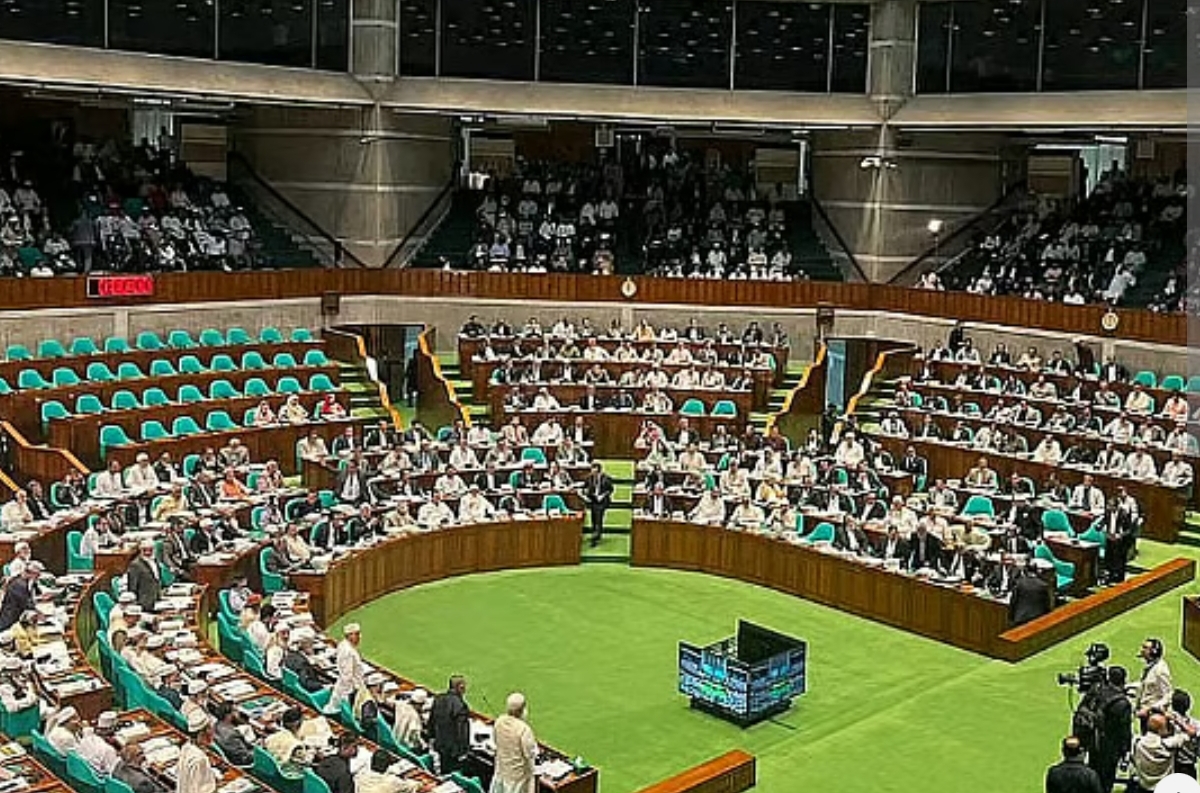
“Without a democratically elected parliament and government, there’s no future for real change in Bangladesh.”
—
NCP Leader Urges Healthy Competition, Not Hostility
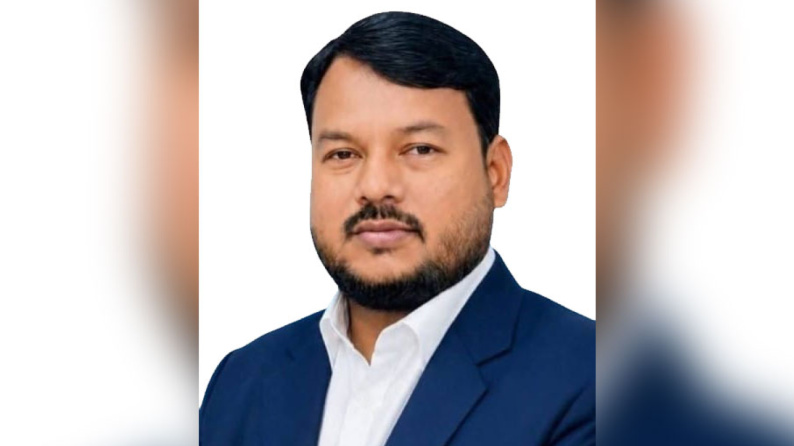
Akhtar Hossain, Member Secretary of the National Citizen Party (NCP), noted that debates over facts and policies are inevitable.
“Our focus will be on how to present good initiatives effectively to the public. Political competition must not turn into personal animosity—that line must be respected.”
He added:
“Rivalry in politics is natural, but it should not rely on force or muscle power. If political parties can’t speak in unison on national issues, both domestic and foreign conspiracies will find room to grow.”
—
Jamaat Leader Emphasizes Responsible Discourse
Hamidur Rahman Azad, Assistant Secretary General of Jamaat-e-Islami, shared a similar view:
“Differences in opinion are expected among different parties. But they must not evolve into destructive conflict. If we acted with more responsibility, many clashes and verbal attacks could be avoided.”
He emphasized the need to avoid crisis:
“We want to move forward toward building the nation. If we allow division to grow, Bangladesh could again slip into instability. We must remain united and act responsibly, maintaining political decorum while pursuing separate agendas.”
—
Political Analyst Calls for Leadership from BNP or Dr. Yunus
Dr. Sabbir Ahmed, Professor of Political Science at Dhaka University, believes that failure to resolve these tensions could lead to a deeper crisis.
“Political parties must learn to compromise. Someone has to take the initiative. That could be Dr. Muhammad Yunus—or even the BNP as the leading opposition.”
He concluded:
“Differences in opinion are part of democracy, but the national interest should always take priority.”