Dhaka 6:27 am, Sunday, 19 April 2026

One Year On: The Scars of July Still Bleed

Niloy Mridha
  • Update Time : 10:08:18 am, Friday, 1 August 2025
  • / 583 Time View

It has been a year since 15-year-old Md Shahin Alam’s world was shattered — not by illness or misfortune, but by a bullet that tore through his leg during a rally on August 5, 2024.

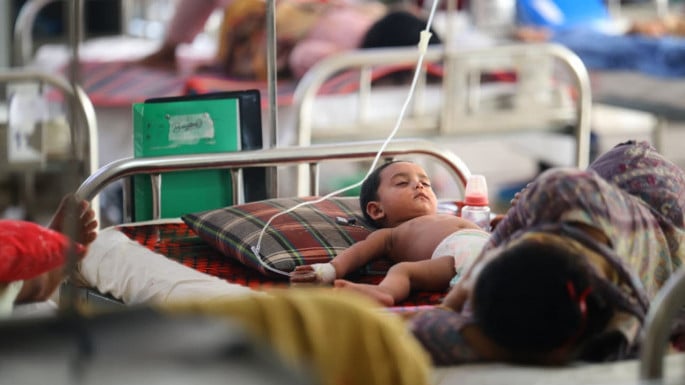
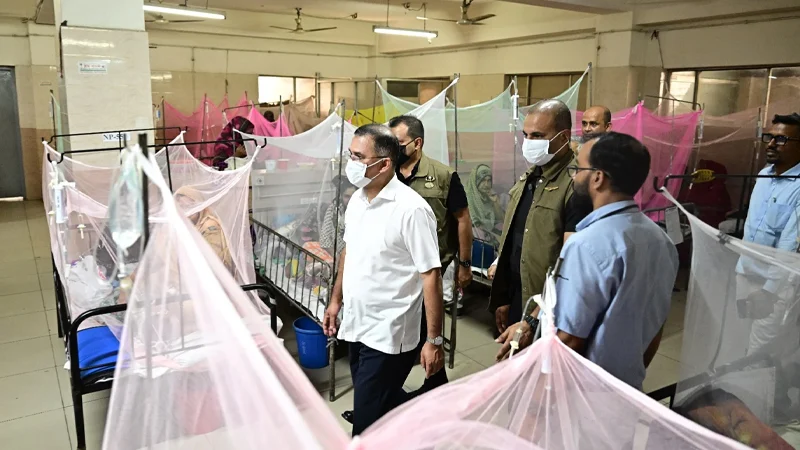
That day, Shahin was among a crowd celebrating outside Uttara East Police Station, part of the mass gathering following the fall of the Awami League government. He was unarmed. Today, he lies in a hospital bed at the National Institute of Traumatology and Orthopaedic Rehabilitation (NITOR), his leg still encased in metal fixators after eight surgeries. There’s no end in sight to his recovery — only pain, poverty, and an uncertain future.

The tenth-grade student from Mymensingh had been visiting his parents in Dhaka during school holidays. His father drives a rickshaw. His mother left her domestic work job to care for him full time.

“It happened around 4 in the afternoon,” Shahin said. “They fired tear gas first, and I couldn’t get away. Then, I felt the shot — right below my knee.”

Doctors believe more surgeries may follow. Shahin can now take a few steps with crutches, but most of his time is spent scrolling through his phone in silence.

The family has received Tk 4 lakh in financial help — half from a private foundation, half from the government — but it’s all gone into medical bills. “I just want to go back to school,” he said. “I want to walk again. I want my life back.”


Wounds Across the Nation

Shahin’s story is one of thousands.

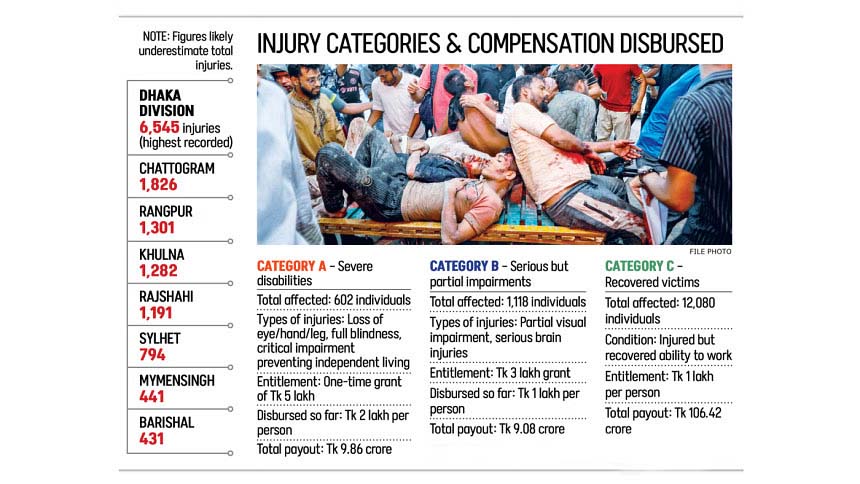
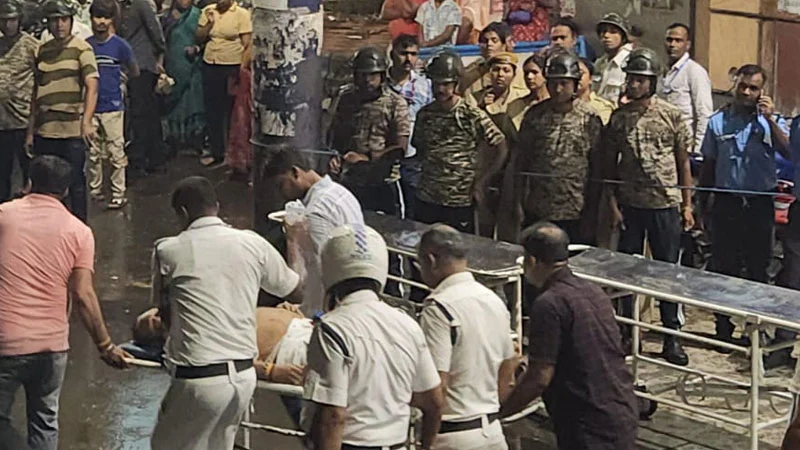
According to the Directorate General of Health Services, 13,811 people were injured during the July Uprising. Most were in Dhaka Division. The injuries were varied: gunshot wounds, pellet injuries, tear gas exposure, blunt force trauma, and even burns.

The government has recorded 20 amputations of legs, four of arms, 20 cases of complete blindness, and 450 instances of partial vision loss. Hundreds of others suffered damage to the spine, brain, or internal organs.

On June 17, a new ordinance officially recognized 12,043 victims of the uprising, categorizing them into three groups based on injury severity. A later update added another 1,757 names.

Over Tk 202 crore has been paid out in compensation so far, with more planned in the 2025–26 fiscal year. Monthly stipends — Tk 20,000 for the most severely affected, and lower amounts for others — are promised, but many are still waiting.


‘We Took the Bullets — But They Moved On’

Md Akash Mia, 19, from Netrokona, lost a leg — but was still placed in the government’s mid-tier compensation category.

“There are others with less serious injuries who got more help,” he said. “The system doesn’t make sense.”

Akash had been working at a sweet shop in Narayanganj and preparing to go abroad to support his farming family. On July 20, he was helping another injured protester when police followed him back to his shop.

“They barged in, beat the owner, trashed the place, and shot several pellets into my leg,” he recalled.

Akash was eventually taken to five different hospitals. His leg was amputated at NITOR on July 23. When government leaders visited the hospital days later, many patients — fearing more police action — fled.

Akash left the hospital on August 1, with his family taking on home care. He’s received Tk 3.5 lakh in aid from various sources but is still repaying relatives who covered some expenses.

Now fitted with a prosthetic leg, he said: “I’m not asking for pity. Just give me a fair shot at rebuilding my life.”


Protests, Despair, and Delays

Over the past year, frustration among victims has spilled onto the streets. Groups of injured protesters have blocked major roads, staged sit-ins near the Secretariat, and even surrounded the chief adviser’s residence demanding attention.

In May, during a meeting at the National Institute of Ophthalmology, four injured individuals tried to take their own lives by ingesting poison — a sign of the depth of their despair.

The government has sent 75 of the most seriously injured patients abroad for treatment, with most going to Singapore, Turkey, Russia, and Thailand. Another 32 are still waiting. Medical delegations from countries including the UK, USA, France, and Nepal have visited to assist, but wait times remain long.

One of the most tragic cases is that of Khokon Chandra Barman, a driver from Sherpur. On August 5, he pleaded with police not to fire during a protest outside Jatrabari Police Station. They fired anyway — the bullet shattered his face, passing through his upper lip, nose, and palate.

He was initially approved for reconstructive surgery in Australia, but later reassigned to Russia. The first operation was completed in March, but the second — scheduled for July — was delayed because the government-appointed chaperone accompanying him was barred from flying over corruption charges.

“Why should I be punished for what someone else did?” Khokon asked. He has now been told his surgery will go ahead on August 12.

“Everyone else has moved on to the next political crisis,” he said. “But we — the ones who lost something — we’re still here, waiting. Just trying to feel whole again.”
Please Share This Post in Your Social Media

One Year On: The Scars of July Still Bleed

Update Time : 10:08:18 am, Friday, 1 August 2025

It has been a year since 15-year-old Md Shahin Alam’s world was shattered — not by illness or misfortune, but by a bullet that tore through his leg during a rally on August 5, 2024.

That day, Shahin was among a crowd celebrating outside Uttara East Police Station, part of the mass gathering following the fall of the Awami League government. He was unarmed. Today, he lies in a hospital bed at the National Institute of Traumatology and Orthopaedic Rehabilitation (NITOR), his leg still encased in metal fixators after eight surgeries. There’s no end in sight to his recovery — only pain, poverty, and an uncertain future.

The tenth-grade student from Mymensingh had been visiting his parents in Dhaka during school holidays. His father drives a rickshaw. His mother left her domestic work job to care for him full time.

“It happened around 4 in the afternoon,” Shahin said. “They fired tear gas first, and I couldn’t get away. Then, I felt the shot — right below my knee.”

Doctors believe more surgeries may follow. Shahin can now take a few steps with crutches, but most of his time is spent scrolling through his phone in silence.

The family has received Tk 4 lakh in financial help — half from a private foundation, half from the government — but it’s all gone into medical bills. “I just want to go back to school,” he said. “I want to walk again. I want my life back.”


Wounds Across the Nation

Shahin’s story is one of thousands.

According to the Directorate General of Health Services, 13,811 people were injured during the July Uprising. Most were in Dhaka Division. The injuries were varied: gunshot wounds, pellet injuries, tear gas exposure, blunt force trauma, and even burns.

The government has recorded 20 amputations of legs, four of arms, 20 cases of complete blindness, and 450 instances of partial vision loss. Hundreds of others suffered damage to the spine, brain, or internal organs.

On June 17, a new ordinance officially recognized 12,043 victims of the uprising, categorizing them into three groups based on injury severity. A later update added another 1,757 names.

Over Tk 202 crore has been paid out in compensation so far, with more planned in the 2025–26 fiscal year. Monthly stipends — Tk 20,000 for the most severely affected, and lower amounts for others — are promised, but many are still waiting.


‘We Took the Bullets — But They Moved On’

Md Akash Mia, 19, from Netrokona, lost a leg — but was still placed in the government’s mid-tier compensation category.

“There are others with less serious injuries who got more help,” he said. “The system doesn’t make sense.”

Akash had been working at a sweet shop in Narayanganj and preparing to go abroad to support his farming family. On July 20, he was helping another injured protester when police followed him back to his shop.

“They barged in, beat the owner, trashed the place, and shot several pellets into my leg,” he recalled.

Akash was eventually taken to five different hospitals. His leg was amputated at NITOR on July 23. When government leaders visited the hospital days later, many patients — fearing more police action — fled.

Akash left the hospital on August 1, with his family taking on home care. He’s received Tk 3.5 lakh in aid from various sources but is still repaying relatives who covered some expenses.

Now fitted with a prosthetic leg, he said: “I’m not asking for pity. Just give me a fair shot at rebuilding my life.”


Protests, Despair, and Delays

Over the past year, frustration among victims has spilled onto the streets. Groups of injured protesters have blocked major roads, staged sit-ins near the Secretariat, and even surrounded the chief adviser’s residence demanding attention.

In May, during a meeting at the National Institute of Ophthalmology, four injured individuals tried to take their own lives by ingesting poison — a sign of the depth of their despair.

The government has sent 75 of the most seriously injured patients abroad for treatment, with most going to Singapore, Turkey, Russia, and Thailand. Another 32 are still waiting. Medical delegations from countries including the UK, USA, France, and Nepal have visited to assist, but wait times remain long.

One of the most tragic cases is that of Khokon Chandra Barman, a driver from Sherpur. On August 5, he pleaded with police not to fire during a protest outside Jatrabari Police Station. They fired anyway — the bullet shattered his face, passing through his upper lip, nose, and palate.

He was initially approved for reconstructive surgery in Australia, but later reassigned to Russia. The first operation was completed in March, but the second — scheduled for July — was delayed because the government-appointed chaperone accompanying him was barred from flying over corruption charges.

“Why should I be punished for what someone else did?” Khokon asked. He has now been told his surgery will go ahead on August 12.

“Everyone else has moved on to the next political crisis,” he said. “But we — the ones who lost something — we’re still here, waiting. Just trying to feel whole again.”