Sadarghat Launch Terminal: From Bustling Riverport to Struggling Transport Hub

- Update Time : 07:18:58 am, Saturday, 9 August 2025
- / 1059 Time View
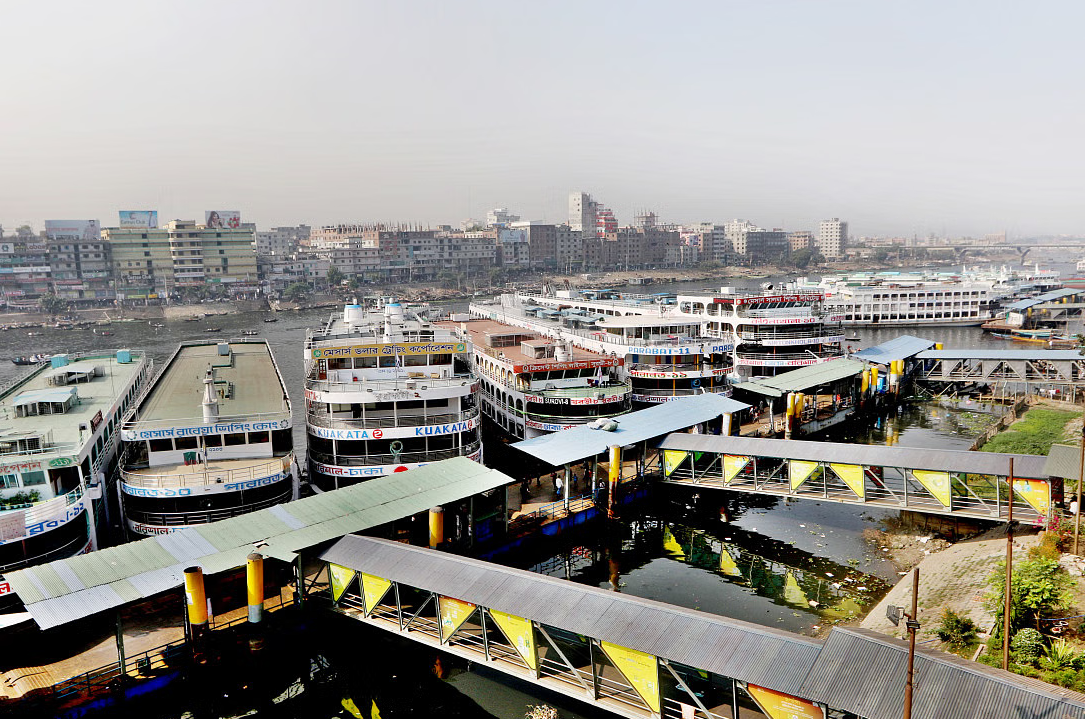

Once a vital connection to Bangladesh’s southern districts, the Sadarghat Launch Terminal has seen a dramatic decline in activity. The surge of modern highways and faster road travel has led to a significant drop in passenger numbers, threatening the future of the country’s historic inland waterway network and century-old launch industry.
According to the Bangladesh Inland Water Transport Authority (BIWTA), the number of operational launches on Dhaka’s 43 river routes has decreased from 210 to 170, with only 37 routes still in service. Daily departures from Sadarghat have fallen sharply from 140 to just 40-45 launches.
Several routes have been shut down entirely, including those to Madaripur, Ghuma, Patabuniya, Dewanbari, Tekerhat, Surjomoni, Rainda, and Tushkhali. Services to Barishal have dropped from eight launches per day to two, with similar declines observed on routes to Patuakhali and Barguna.
Launch operators are facing severe financial challenges. Md Altaf Hossain, captain of the launch Sundarban-16, shared, “Since the Padma Bridge opened, passenger numbers have plummeted. Traffic congestion between Gulistan and Sadarghat, combined with rising fuel costs, is pushing this sector toward collapse.”
He added, “On July 6, we carried only 175 passengers to Barishal, resulting in a loss exceeding 200,000 taka. On average, we lose around 1 million taka each month. Although it’s the off-season, it feels like a shutdown. If this continues, our operations may not survive five more years.”
The downturn is also felt by those working on shore. Porters, once busy amid the bustling terminal, now spend hours waiting with little to do. Shamim, a porter with over ten years of experience at Sadarghat, said, “We used to earn between 1,500 and 2,000 taka daily. Now, it’s a struggle to make even 500 to 700 taka. Both passengers and cargo have vanished; most of the day, we just sit and wait.”
Even during peak travel periods, the decline is clear. This year’s Eid-ul-Azha rush saw 139 launches depart on June 5, down from 158 departures recorded during the same festival prior to the Padma Bridge opening.
Mohammad Hannan Khan, treasurer of the Launch Owners’ Association, described the industry’s dire state: “Before the bridge, each launch made 14 to 15 trips monthly. Now, it’s only four or five. Monthly revenues have dropped from 40-50 million taka to just 15-20 million. About 40 launches have already been scrapped.”
With limited options, many workers are leaving the river transport sector entirely, turning instead to other vessel types like oil tankers, sand carriers, or even auto-rickshaw driving to find stable work.
Additional challenges have compounded the crisis. Skyrocketing fuel prices have significantly increased operational costs. Launch operators report that a single trip to Barishal now costs between 8.5 and 9 lakh taka, expenses rarely recovered due to declining passenger fares.
Infrastructure issues add to the problem. The heavily congested Gulistan-Sadarghat road discourages travelers from choosing water transport.
Mahbubur Rahman, assistant director of BIWTA, highlighted the need for sustainable solutions: “We should explore alternative energy sources. India has started using solar-powered launches on some routes, and Bangladesh could consider adopting similar technology.”
The Launch Owners’ Association has formally petitioned the government for support, requesting measures such as regulated fuel prices for river transport, prioritized efforts to ease congestion on the Gulistan-Sadarghat route, and long-term subsidies or incentives to prevent further route closures.