Padma Explorer: Intiaz’s Solo Kayak Adventure

- Update Time : 08:15:48 am, Sunday, 17 August 2025
- / 363 Time View
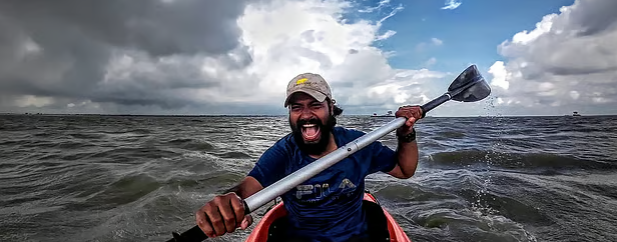

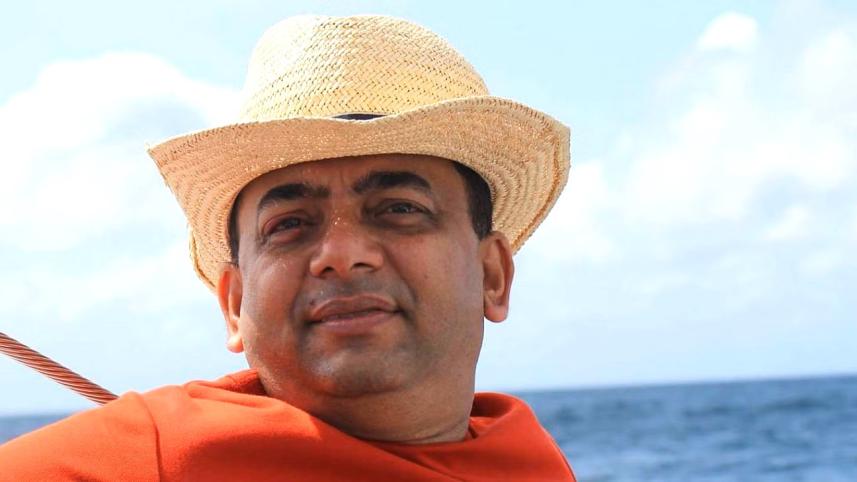
I have always been drawn to the mountains, spending much of my life exploring them. But I often wondered: how many mountains does our country really have? As reaching peaks in India, Nepal, or even Bandarban became challenging, another idea struck me—why not explore the rivers instead? After all, this is a land of rivers.
The thought first came to me in 2023 during a trip to Sunamganj. My friend Munim and I sailed from Sunamganj to Brahmanbaria along the Surma River. That journey was so thrilling that the idea of kayaking instantly took root in my mind. Gradually, I began learning the skills and techniques needed for this new adventure.
Over the next couple of years, I took shorter kayaking trips on rivers near Dhaka, including Bhairab to Ashtagram in Kishoreganj, Kaptai to Chittagong on the Karnaphuli, and Sadarghat to Chandpur on the Buriganga. These experiences fueled a bigger dream: kayaking the Padma River.
I mapped the entire route from Chapainawabganj to Chandpur, realizing it stretched over 300 kilometers. The first challenge was finding a reliable kayak. After months of preparation, I set off during the long Eid-ul-Azha holiday. On June 10, I convinced my friends Munim and Jisan to join me as a support team, traveling by road alongside the river and meeting me at campsites each night.
We had originally planned to start from Chapai, but due to security concerns near the Indian border, we began from I-Badh in Rajshahi instead.
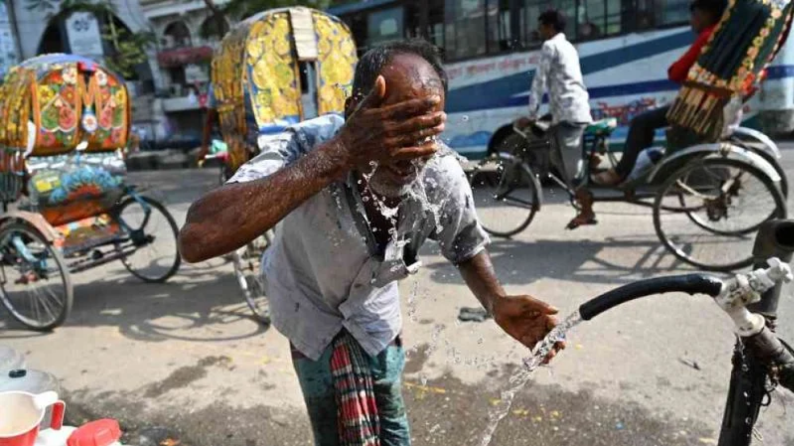
The first day revealed the challenges ahead: the sun was blazing hot, making every stroke of the paddle exhausting. By the time I reached the confluence of the Jamuna and Padma rivers, Munim and Jisan, overwhelmed by the heat, had to turn back. From that point on, my journey became a solo expedition. Each night I relied on my tent, food, and occasional lodging, kayaking 8–10 hours daily. Initial concerns about safety quickly faded.
Life on the river was as humbling as it was beautiful. In Manikganj, on a rainy day, a woman invited me into her home and offered me a plate of food, knowing I hadn’t eaten. The previous night, I had stayed in a modest mosque along the riverbank, and the day before, I had shared a simple meal with Sobhan Bhai, whose home had been lost to river erosion.
Many people I met along the Padma had faced repeated losses of homes and farmland to the river. The woman who fed me had lost hers four times. With little government intervention and few local resources, life along the river was precarious. Listening to her story, I felt a mix of guilt and helplessness, recognizing how small my own worries seemed in comparison. I paused on my kayak, staring at the calm flow of the river, reflecting on the lives of those who call it home.
This expedition was not just about the river itself—it was about the people who live beside it. I shared music sessions in Kushtia, fished with local boys in Shilaidaha, caught shrimp at night, and enjoyed hospitality on dredgers. I spent afternoons studying maps and scouting campsites along the riverbanks. One of the most magical nights was on a dredger near Malifa village in Pabna, under a bright moon and surrounded by kindhearted people.
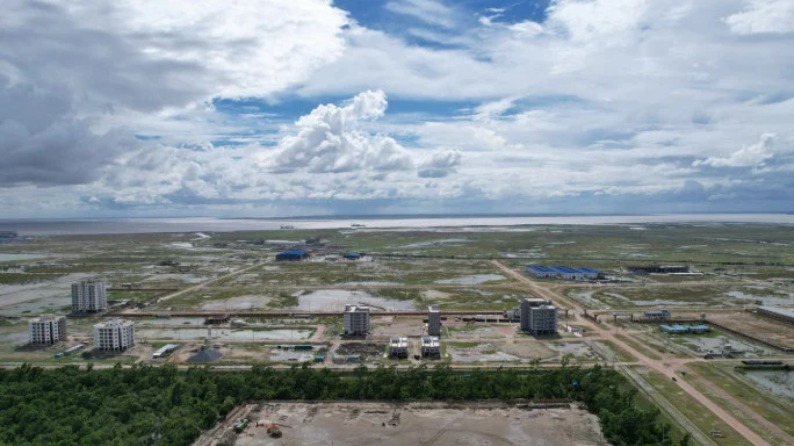
My goal was to kayak the entire length of the Padma River, from Rajshahi to Chandpur, covering places like Veramara, Shilaidaha, Pabna, Daulatdia, Mainat Ghat, Lauhajang, and Sureshwar. I navigated sandbars, stretches of uninhabited terrain, and the river’s major confluences with the Jamuna and Meghna. The first half of the journey tested me under a scorching sun, while the final stretch challenged me with storms and relentless rain.
The trip took ten days—from June 10 to 19—including nine days of kayaking and one day to rest. I spent eight nights in different locations: homes, mosques, local clubs, dredgers, bulkheads, or even construction sites.
What stayed with me most was the people I met, their warmth, generosity, and resilience. The excitement of children by the river, the hospitality offered at unexpected moments, and the deep blue of the Padma left a lasting impression. Over nearly 300 kilometers, I encountered more than 300 people, each with their own story.
It felt like entering a different world—one far removed from the fear, hatred, and violence often portrayed in media. Any lingering anxieties vanished as the river carried me along, leaving only vivid memories of human kindness and the timeless beauty of the Padma.