Facing coordinated assaults, Pakistani troops were forced to retreat

- Update Time : 10:28:04 am, Monday, 15 December 2025
- / 296 Time View
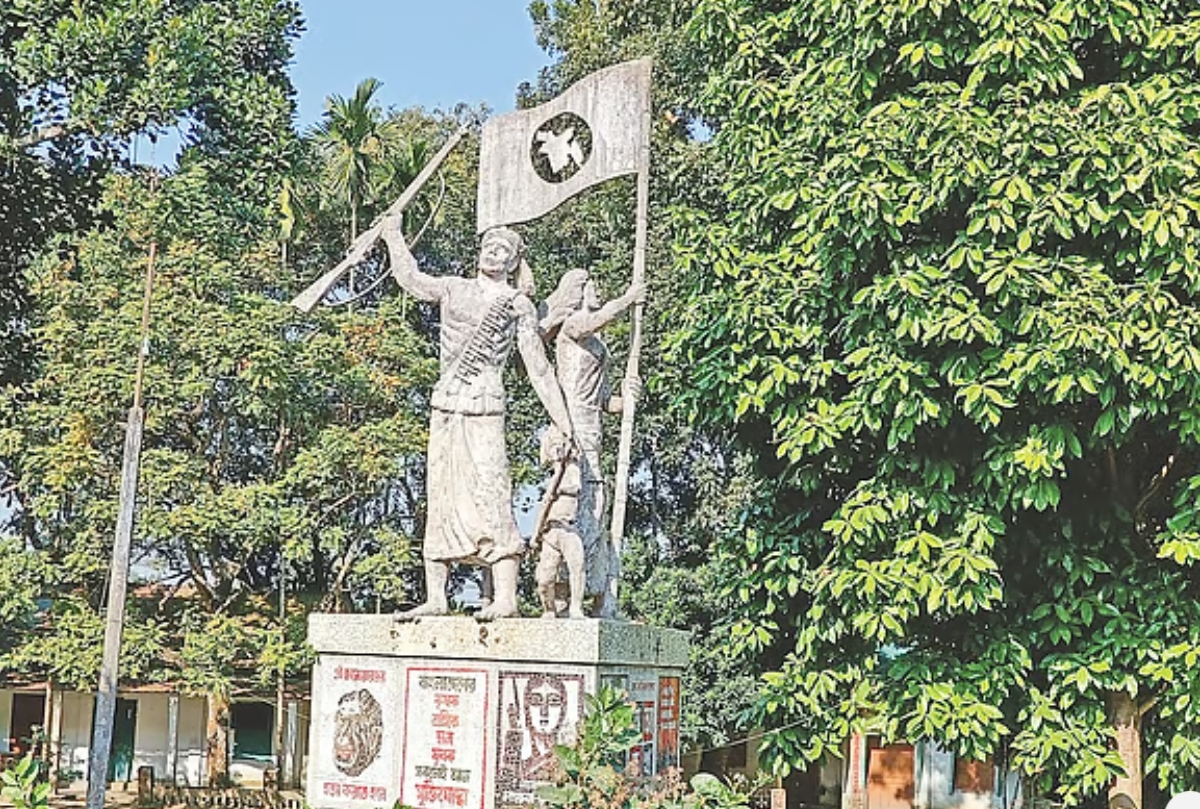

In the first week of December 1971, several areas of Sirajganj came under the control of the freedom fighters. As Pakistani forces remained stationed inside Sirajganj town, the resistance fighters decided to launch a coordinated assault from all sides. Fierce clashes continued between December 9 and 13, eventually forcing the Pakistani troops to retreat. On December 14, the freedom fighters raised the flag of an independent Bangladesh in the town.
According to accounts published by Kothaprokash in the book The Genocide of 1971: East and West of the Jamuna, written by Shafiuddin Talukdar, Pakistani forces entered Sirajganj town on April 26, 1971. Panic spread among residents, and most civilians fled to safer locations. Around thirty people were captured from different parts of the town and were shot dead on the streets.
Another account appears in War Memories of Ten Freedom Fighters, published by Behula Bangla and edited by Mamun Rashid and Moniruzzaman, based on writings by Saiful Islam. The book notes that by the second week of December, the morale of the Pakistani forces had begun to collapse. Several battles took place between the two sides, and by December 13, the freedom fighters had largely encircled the occupying troops. Roads and waterways were brought under resistance control, leaving rail transport as the only remaining escape route for the Pakistani army.
Detailed descriptions of the day’s fighting are also found in Military Operations in the Liberation War (Volume Six), published by the Bangladesh Army. The book states that realizing their defeat was inevitable, Pakistani forces began preparations to abandon Sirajganj on December 13. As they attempted to flee, freedom fighters pursued them relentlessly, recognizing it as their final opportunity to strike. Significant damage was inflicted on enemy vehicles and ammunition during the retreat.
That morning, local residents informed freedom fighters stationed at a camp near Khokshabari Hospital that Pakistani troops were withdrawing. The soldiers attempted to leave Sirajganj by rail toward Kamarkhand. However, after reaching Kalia Haripur, they were forced to disembark due to a damaged railway culvert. Using three vehicles, they tried to continue their escape but came under attack by freedom fighters and were forced to turn back toward the town.
To counter the retreating forces, the freedom fighters divided into two groups. One group advanced toward Kalia Haripur railway station and defeated Pakistani troops in combat. The other group attacked the enemy vehicle convoy nearby, disabling two out of three vehicles. Under heavy pressure, the remaining Pakistani soldiers fled the area.
The book War Memories of Ten Freedom Fighters further notes that on December 14, the resistance fighters became fully certain that Pakistani forces had abandoned Sirajganj. Celebratory gunfire filled the air as freedom fighters gathered at Sirajganj Government College. Local residents joined them in celebration, and together they pledged to rebuild the newly liberated nation.
The freedom fighters took control of the main Pakistani military camp at the WAPDA office within the municipal area. The national flag of Bangladesh was hoisted at key locations, including the Kaomi Jute Mill and the subdivisional administrative office. Joy and celebration spread throughout Sirajganj as victory was secured.