Dhaka 4:07 am, Monday, 23 February 2026

Milder Weather Dampens Juice Sales During Ramadan

Staff Correspondent :
  • Update Time : 07:46:54 am, Sunday, 22 February 2026
  • / 65 Time View

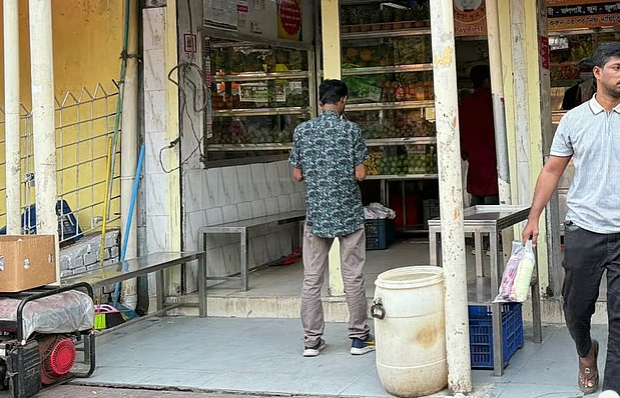
At a juice stall in Jimpur, vendor Mukul Debnath said sales have dropped compared to the same period last Ramadan. “Last year business was brisk at this time. This year the weather isn’t very hot, so sales are down. There is hardly any crowd before iftar, though customers increase somewhat after the Tarawih prayers,” he explained.

According to him, pistachio juice, blackberry and wood apple juice, avocado milkshakes, and jira pani are selling relatively well.

A look at shop price lists shows most juices selling between Tk 50 and Tk 80. Juices made from green mango, ripe mango, watermelon, pineapple, and papaya cost around Tk 80. Malta and orange juice range from Tk 60 to Tk 80, while black grape and jamun juices sell for about Tk 60. Lemon mint costs Tk 40, and wood apple and olive juice Tk 80. Pomegranate juice is priced at Tk 150.

Milkshakes are slightly more expensive: banana Tk 80, strawberry Tk 90, chocolate Tk 60, cashew Tk 80, pistachio Tk 100, and dragon fruit and avocado Tk 100. Lassi and mango lassi range between Tk 70 and Tk 90.

Riad Ahmed, who runs a juice shop in the Puratan Palashi area, said sales are usually slow at the start of Ramadan as many families prepare fruit and drinks at home for iftar. “Business tends to pick up by the middle of the month,” he said, adding that sales so far are 20–30% lower than last year.

Taslim Hossain, another shop owner in Azimpur, noted that people tend to spend cautiously at the beginning of Ramadan while managing grocery and daily expenses. He expects sales to improve after a few days. He also pointed out that higher fruit prices have reduced profit margins.

Vendors say the scene changes later at night. After Tarawih prayers, young people often gather at juice stalls—some with friends, others with family. Sellers remain hopeful that rising temperatures in the coming days will revive demand.

Tag :

Please Share This Post in Your Social Media

Milder Weather Dampens Juice Sales During Ramadan

Update Time : 07:46:54 am, Sunday, 22 February 2026

At a juice stall in Jimpur, vendor Mukul Debnath said sales have dropped compared to the same period last Ramadan. “Last year business was brisk at this time. This year the weather isn’t very hot, so sales are down. There is hardly any crowd before iftar, though customers increase somewhat after the Tarawih prayers,” he explained.

According to him, pistachio juice, blackberry and wood apple juice, avocado milkshakes, and jira pani are selling relatively well.

A look at shop price lists shows most juices selling between Tk 50 and Tk 80. Juices made from green mango, ripe mango, watermelon, pineapple, and papaya cost around Tk 80. Malta and orange juice range from Tk 60 to Tk 80, while black grape and jamun juices sell for about Tk 60. Lemon mint costs Tk 40, and wood apple and olive juice Tk 80. Pomegranate juice is priced at Tk 150.

Milkshakes are slightly more expensive: banana Tk 80, strawberry Tk 90, chocolate Tk 60, cashew Tk 80, pistachio Tk 100, and dragon fruit and avocado Tk 100. Lassi and mango lassi range between Tk 70 and Tk 90.

Riad Ahmed, who runs a juice shop in the Puratan Palashi area, said sales are usually slow at the start of Ramadan as many families prepare fruit and drinks at home for iftar. “Business tends to pick up by the middle of the month,” he said, adding that sales so far are 20–30% lower than last year.

Taslim Hossain, another shop owner in Azimpur, noted that people tend to spend cautiously at the beginning of Ramadan while managing grocery and daily expenses. He expects sales to improve after a few days. He also pointed out that higher fruit prices have reduced profit margins.

Vendors say the scene changes later at night. After Tarawih prayers, young people often gather at juice stalls—some with friends, others with family. Sellers remain hopeful that rising temperatures in the coming days will revive demand.