Dhaka 9:53 am, Tuesday, 23 June 2026

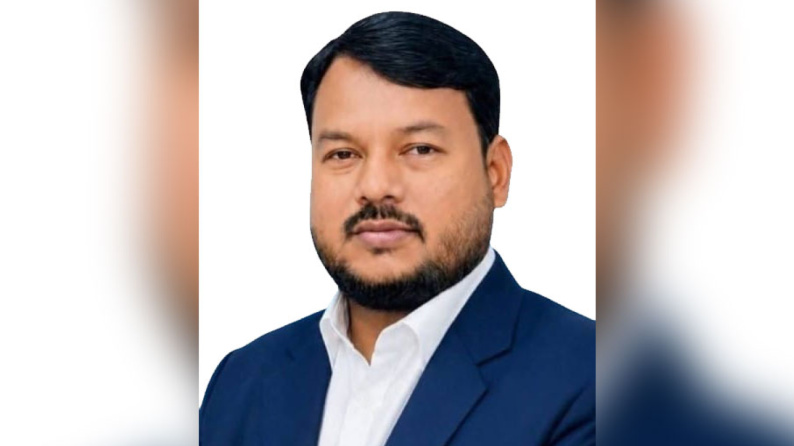
Formerly Banned Awami League Leader Nazmul Haque Attempts Political Comeback

Reporter Name
  • Update Time : 12:53:07 pm, Tuesday, 13 May 2025
  • / 675 Time View

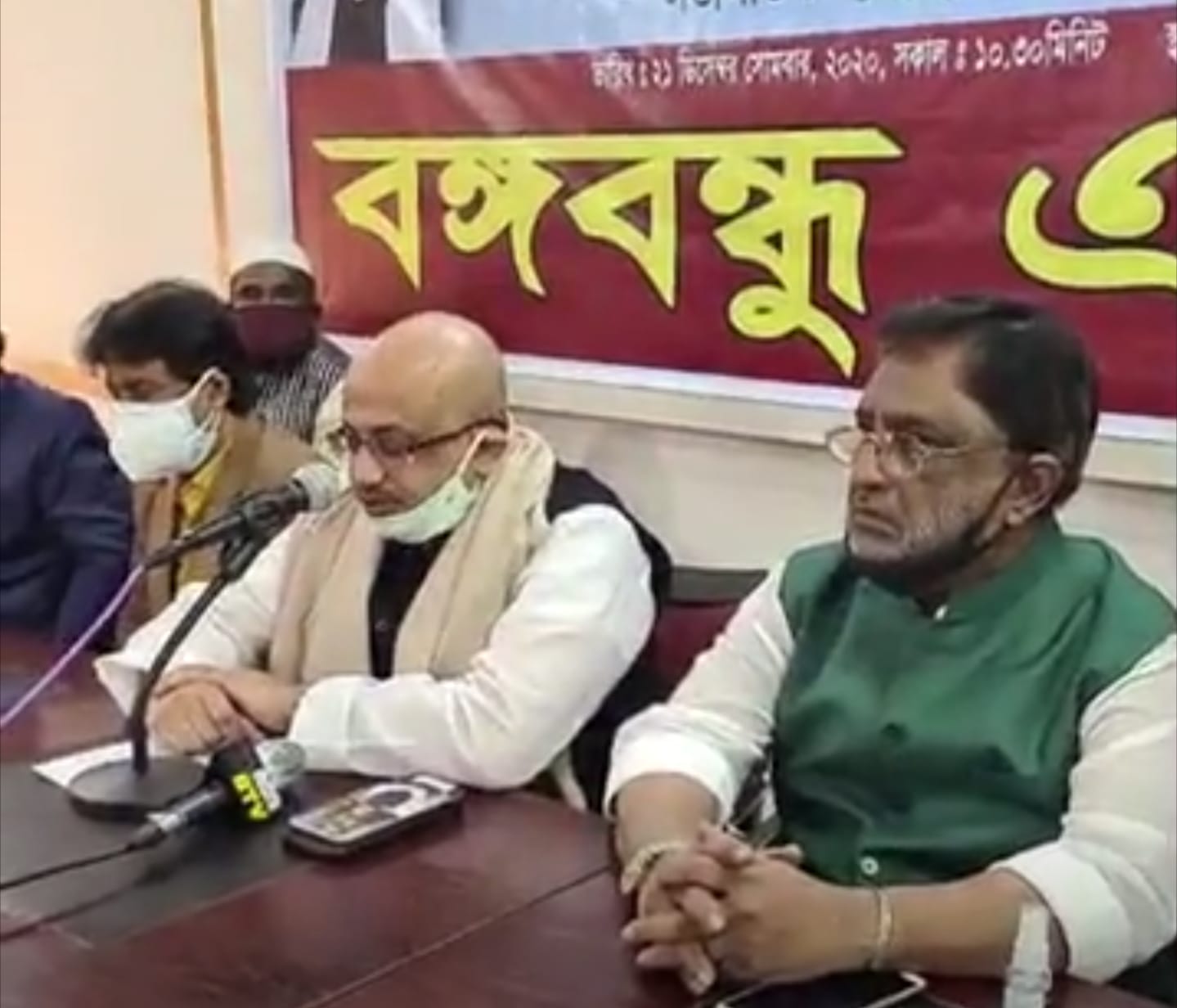
Mohammad Nazmul Haque, a former Awami League leader and ex-president of the Bangabandhu Academy—previously banned for controversial activities—is once again in the spotlight. This time, he faces allegations of orchestrating instability in Bangladesh’s energy sector.

Reliable sources reveal that Nazmul Haque is actively trying to reclaim leadership of the Bangladesh Petroleum Pump Owners Association. Recently, under the banner of the newly formed “Bangladesh Petrol Pump and Tank Lorry Owners Unity Council,” he announced plans for a nationwide movement, issuing threats of mass protests. This has sparked serious concerns about potential disruptions in the country’s fuel supply chain.

Nazmul Haque has long been accused of leveraging political protection to suppress rivals, allegedly using law enforcement agencies and local goons to maintain control. Many within the energy industry claim they have remained silent out of fear.

A known associate of former State Minister for Information Dr. Murad Hasan, Nazmul Haque was involved in several controversial activities during the Awami League’s previous tenure in power. During the Mujib Centenary celebrations, he reportedly spent large sums to consolidate his influence—a move that raised internal concerns within the party.

Sources claim that during his previous term leading the Petroleum Pump Owners Association, he misappropriated significant funds. Now, he is allegedly seeking to regain the top position to repeat the same tactics, according to insiders in the energy sector.

Despite multiple attempts to contact him for comments, Nazmul Haque did not respond to phone calls.

Observers warn that amid shifts in the national political landscape, the re-emergence of controversial figures like Nazmul Haque is raising new concerns. In a sector as critical as energy, such negative influences could have serious repercussions for the national economy and the daily lives of citizens.

Tag :

Please Share This Post in Your Social Media

Formerly Banned Awami League Leader Nazmul Haque Attempts Political Comeback

Update Time : 12:53:07 pm, Tuesday, 13 May 2025

Mohammad Nazmul Haque, a former Awami League leader and ex-president of the Bangabandhu Academy—previously banned for controversial activities—is once again in the spotlight. This time, he faces allegations of orchestrating instability in Bangladesh’s energy sector.

Reliable sources reveal that Nazmul Haque is actively trying to reclaim leadership of the Bangladesh Petroleum Pump Owners Association. Recently, under the banner of the newly formed “Bangladesh Petrol Pump and Tank Lorry Owners Unity Council,” he announced plans for a nationwide movement, issuing threats of mass protests. This has sparked serious concerns about potential disruptions in the country’s fuel supply chain.

Nazmul Haque has long been accused of leveraging political protection to suppress rivals, allegedly using law enforcement agencies and local goons to maintain control. Many within the energy industry claim they have remained silent out of fear.

A known associate of former State Minister for Information Dr. Murad Hasan, Nazmul Haque was involved in several controversial activities during the Awami League’s previous tenure in power. During the Mujib Centenary celebrations, he reportedly spent large sums to consolidate his influence—a move that raised internal concerns within the party.

Sources claim that during his previous term leading the Petroleum Pump Owners Association, he misappropriated significant funds. Now, he is allegedly seeking to regain the top position to repeat the same tactics, according to insiders in the energy sector.

Despite multiple attempts to contact him for comments, Nazmul Haque did not respond to phone calls.

Observers warn that amid shifts in the national political landscape, the re-emergence of controversial figures like Nazmul Haque is raising new concerns. In a sector as critical as energy, such negative influences could have serious repercussions for the national economy and the daily lives of citizens.