Dhaka 7:31 pm, Friday, 9 October 2026

Tejgaon’s Dormant Runway Is Stifling Dhaka’s Growth

Niloy Mridha
  • Update Time : 09:46:20 am, Wednesday, 13 August 2025
  • / 520 Time View

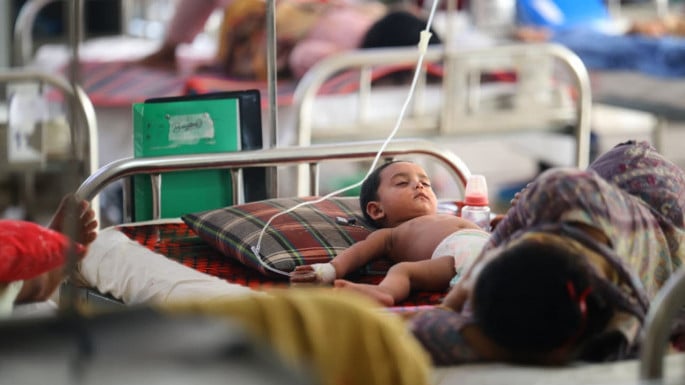
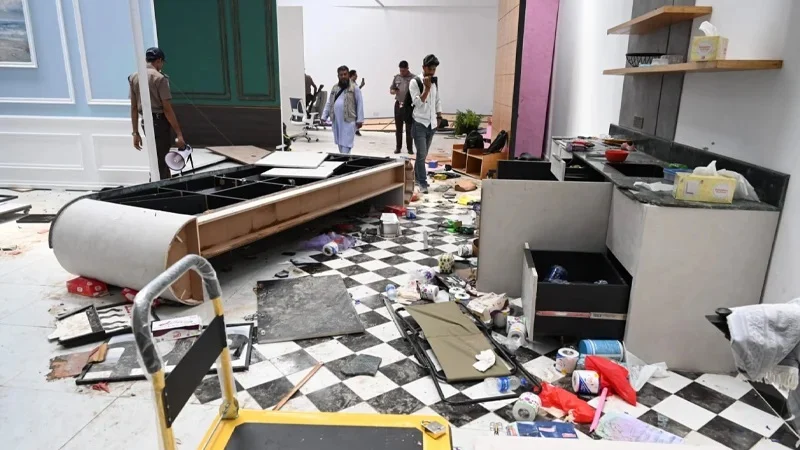
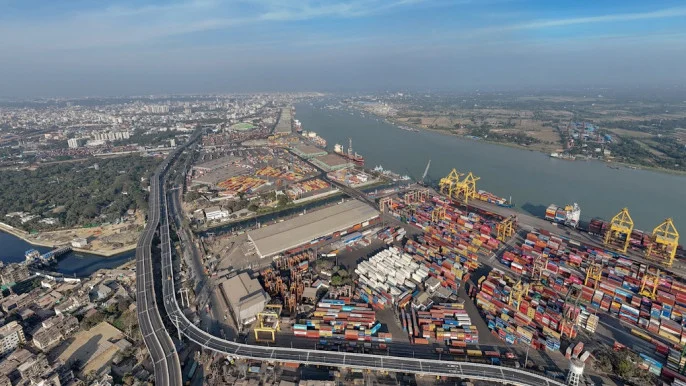
The Milestone School tragedy left thirty-five lives lost and a city grappling with its conscience. Amid cleanup and mourning, a pressing question emerges: why must children study under the shadow of aging fighter jets in a city of 23 million? The answer partly lies in Tejgaon—a 300-acre area in Dhaka’s center where a supposedly “active” airport stands frozen, its silent runway choking the capital’s potential.

This obsolete airfield continues to hinder urban progress. Originally a British World War II airstrip in 1941, Tejgaon served as Bangladesh’s main international airport until 1981, when operations moved to Hazrat Shahjalal International Airport (HSIA). Since then, it has functioned as a military base, BAF Base Bashar, with no commercial flights. Yet in 2011, authorities quietly reclassified it as a “domestic airport,” contradicting international standards and blocking vital infrastructure projects, including a key metro rail route along Bijoy Sarani, which had to be rerouted near parliament.

While the Tejgaon runway remains unused, Dhaka’s airspace has become increasingly unsafe. Since 2011, the Civil Aviation Authority of Bangladesh (CAAB) has reported over 500 illegal high-rises encroaching on approach paths at HSIA and Tejgaon, yet authorities have failed to enforce demolition. These violations have turned the city’s skies into a hazard, where the majority of accidents occur within minutes of takeoff or landing. The Milestone crash, though officially linked to pilot error, unfolded in an environment where unauthorized construction had systematically reduced safety buffers.

Urban space in Dhaka is already scarce. As of 2018, the city had only 0.7 acres of open space per 1,000 residents—a fraction of the World Health Organization’s recommended 2.2 acres per 1,000 people. About 84% of residents in the city corporation area lack access to playgrounds, while air pollution exceeds safe limits by over fifteen times. Against this backdrop, Tejgaon’s 300 acres could provide vital green space, absorb significant CO₂ emissions, and offer play areas for hundreds of thousands of children if repurposed as public commons rather than left underutilized.

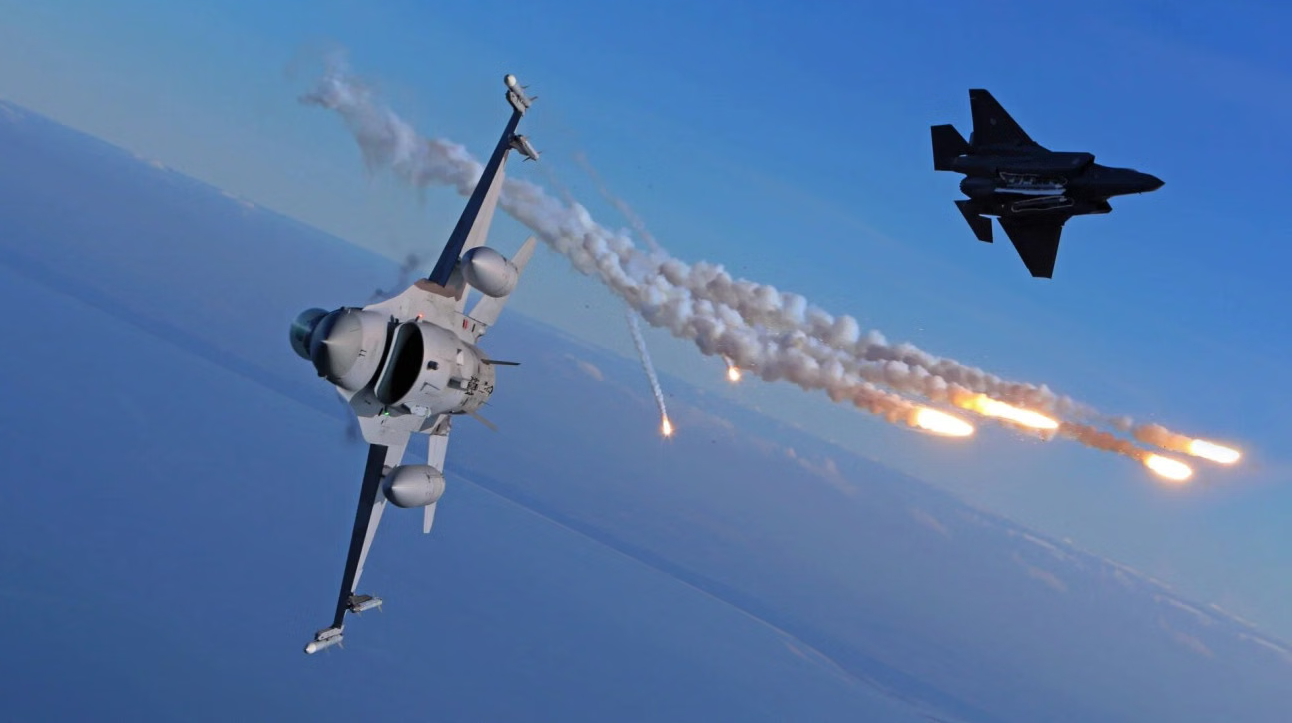
Global cities have shown the benefits of repurposing old airports. Hong Kong transformed the Kai Tak Airport site into public spaces after moving operations to Chek Lap Kok. Istanbul relocated Atatürk Airport, freeing thousands of hectares for urban redevelopment. Osaka built Kansai Airport offshore, eliminating urban overflights entirely. Dhaka, however, continues to tolerate fighter jet exercises over densely populated areas, while long-term urban planning remains stalled.

While Tejgaon holds historical significance, the city’s future depends on strategic leadership. The Bangladesh Armed Forces have the expertise to relocate training operations outside the city, preserving the capital’s safety and allowing urban renewal.

Each day that Tejgaon remains underutilized costs Dhaka millions in lost economic opportunities, denies residents green space, and endangers children. Post-disaster responses—tributes, compensation, and mourning—cannot substitute for preventive measures. Real progress lies in transforming classrooms into safe spaces, not sites of tragedy.

Imagine a future where the runway gives way to parks, sports fields, and shaded walking paths. Where teenagers play cricket, children sketch clouds, and grandparents practice tai chi—all free from the shadow of jets. This vision is achievable with courage and foresight.

The Milestone victims cannot benefit from this transformation, but their loss should inspire a city where schools are safe, open spaces are plentiful, and urban planning prioritizes life over inertia. Tejgaon’s 300 acres of potential await a city willing to act.
Tag :

Please Share This Post in Your Social Media

Tejgaon’s Dormant Runway Is Stifling Dhaka’s Growth

Update Time : 09:46:20 am, Wednesday, 13 August 2025

The Milestone School tragedy left thirty-five lives lost and a city grappling with its conscience. Amid cleanup and mourning, a pressing question emerges: why must children study under the shadow of aging fighter jets in a city of 23 million? The answer partly lies in Tejgaon—a 300-acre area in Dhaka’s center where a supposedly “active” airport stands frozen, its silent runway choking the capital’s potential.

This obsolete airfield continues to hinder urban progress. Originally a British World War II airstrip in 1941, Tejgaon served as Bangladesh’s main international airport until 1981, when operations moved to Hazrat Shahjalal International Airport (HSIA). Since then, it has functioned as a military base, BAF Base Bashar, with no commercial flights. Yet in 2011, authorities quietly reclassified it as a “domestic airport,” contradicting international standards and blocking vital infrastructure projects, including a key metro rail route along Bijoy Sarani, which had to be rerouted near parliament.

While the Tejgaon runway remains unused, Dhaka’s airspace has become increasingly unsafe. Since 2011, the Civil Aviation Authority of Bangladesh (CAAB) has reported over 500 illegal high-rises encroaching on approach paths at HSIA and Tejgaon, yet authorities have failed to enforce demolition. These violations have turned the city’s skies into a hazard, where the majority of accidents occur within minutes of takeoff or landing. The Milestone crash, though officially linked to pilot error, unfolded in an environment where unauthorized construction had systematically reduced safety buffers.

Urban space in Dhaka is already scarce. As of 2018, the city had only 0.7 acres of open space per 1,000 residents—a fraction of the World Health Organization’s recommended 2.2 acres per 1,000 people. About 84% of residents in the city corporation area lack access to playgrounds, while air pollution exceeds safe limits by over fifteen times. Against this backdrop, Tejgaon’s 300 acres could provide vital green space, absorb significant CO₂ emissions, and offer play areas for hundreds of thousands of children if repurposed as public commons rather than left underutilized.

Global cities have shown the benefits of repurposing old airports. Hong Kong transformed the Kai Tak Airport site into public spaces after moving operations to Chek Lap Kok. Istanbul relocated Atatürk Airport, freeing thousands of hectares for urban redevelopment. Osaka built Kansai Airport offshore, eliminating urban overflights entirely. Dhaka, however, continues to tolerate fighter jet exercises over densely populated areas, while long-term urban planning remains stalled.

While Tejgaon holds historical significance, the city’s future depends on strategic leadership. The Bangladesh Armed Forces have the expertise to relocate training operations outside the city, preserving the capital’s safety and allowing urban renewal.

Each day that Tejgaon remains underutilized costs Dhaka millions in lost economic opportunities, denies residents green space, and endangers children. Post-disaster responses—tributes, compensation, and mourning—cannot substitute for preventive measures. Real progress lies in transforming classrooms into safe spaces, not sites of tragedy.

Imagine a future where the runway gives way to parks, sports fields, and shaded walking paths. Where teenagers play cricket, children sketch clouds, and grandparents practice tai chi—all free from the shadow of jets. This vision is achievable with courage and foresight.

The Milestone victims cannot benefit from this transformation, but their loss should inspire a city where schools are safe, open spaces are plentiful, and urban planning prioritizes life over inertia. Tejgaon’s 300 acres of potential await a city willing to act.