Dhaka 8:02 am, Wednesday, 5 August 2026

Political Divide Deepens Over Electoral Reform

Reporter Name
  • Update Time : 04:40:36 am, Friday, 4 July 2025
  • / 502 Time View

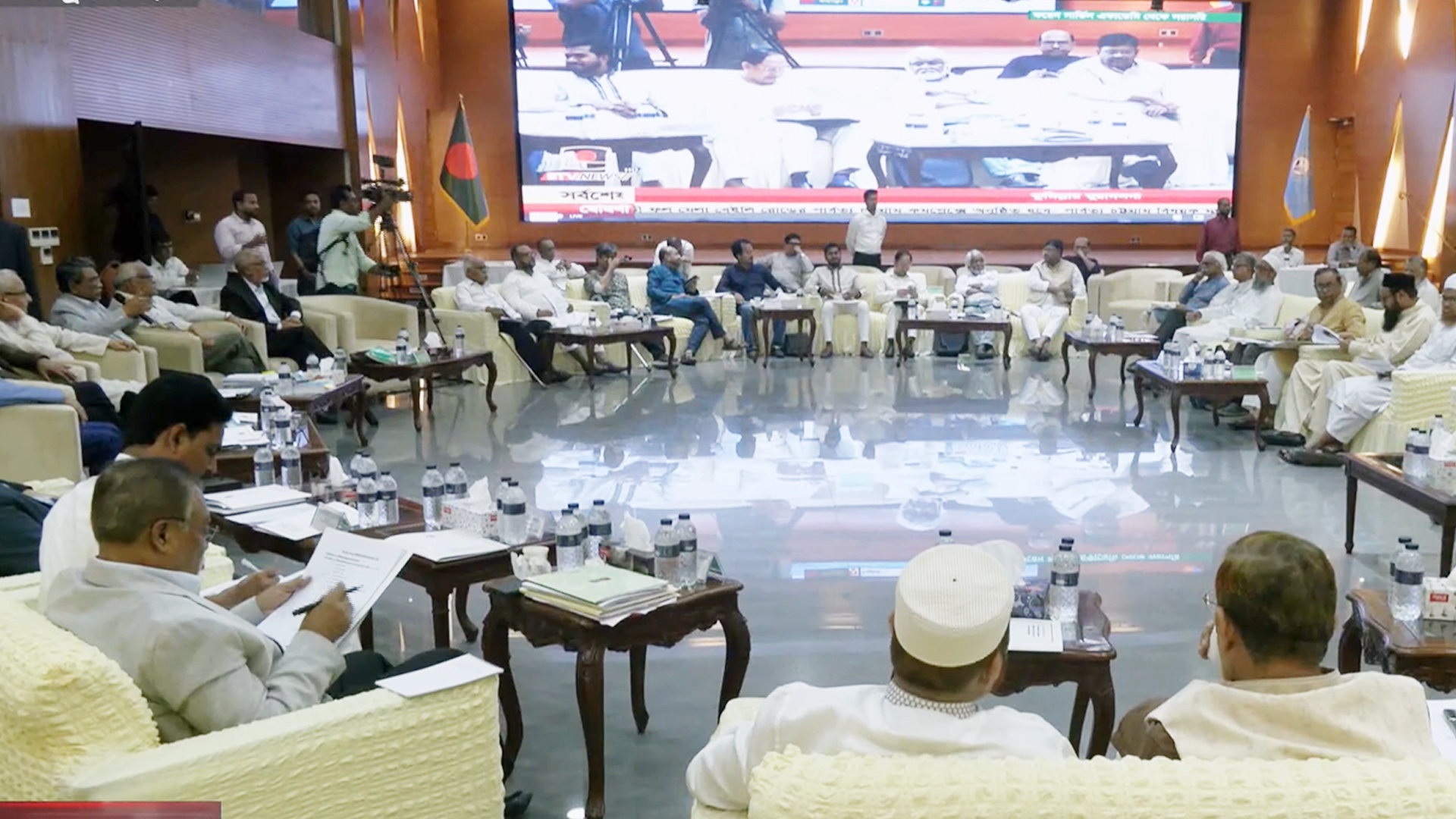
Disagreements are deepening among political parties over whether Bangladesh should retain its current electoral system or shift to a proportional representation model. While the BNP remains firm on preserving the traditional first-past-the-post method, parties like Jamaat-e-Islami and the National Citizens’ Party (NCP) are advocating for proportional representation, not just in the proposed upper house of parliament, but also in the existing lower house.


Currently, Bangladesh’s unicameral parliament elects 300 members directly through constituency-based voting, where the candidate with the highest number of votes wins. In contrast, proportional representation would allocate seats based on the percentage of votes each party receives nationwide. A proposal from the Consensus Commission suggests transitioning to a bicameral legislature, with the lower chamber elected by the current method and the upper house through proportional representation—a model that many parties support. However, Jamaat and a few others want proportional elections in both chambers.


Proponents argue that proportional representation would give value to every vote and help curb electoral irregularities such as vote-buying, muscle power, and polling center takeovers. On the other hand, BNP and several other parties insist on retaining the current system for both houses. If consensus is not reached, some parties are proposing a national referendum to settle the issue.


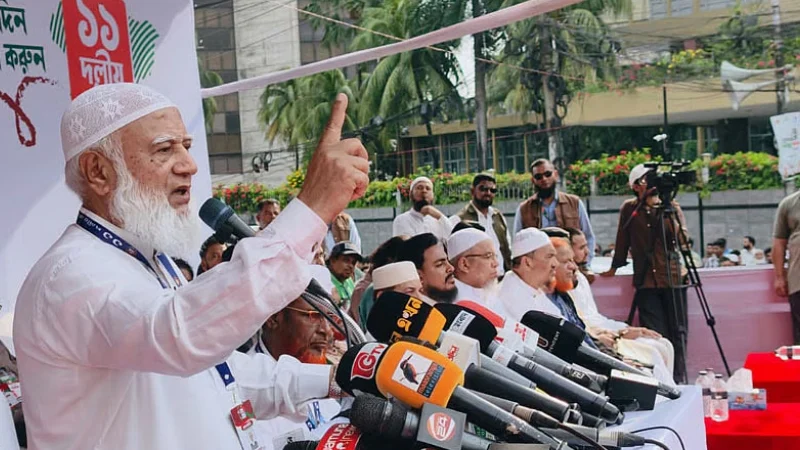
Jamaat’s Nayeb-e-Ameer, Syed Abdullah Mohammad Taher, noted that many small parties with scattered support across the country are currently unrepresented. Under a proportional system, even one percent of national votes could secure them a seat. NCP leader Ariful Islam Adib suggested a hybrid model to begin with—proportional representation in at least one house to balance power. He warned against deferring the decision to the next parliament and also voiced support for a referendum if most parties agree.


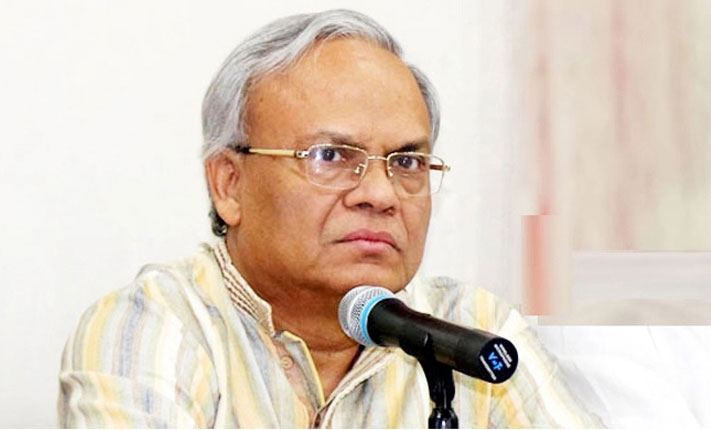
Meanwhile, BNP Standing Committee member Iqbal Hasan Mahmud Tuku defended the existing system, saying, “If someone gains public trust and wins votes, they deserve to represent their constituency. Why fear traditional elections? The people are the ultimate authority.”


The Consensus Commission, however, continues to urge flexibility and compromise from political parties on key electoral reforms, including the method of representation.
 

Tag :

Please Share This Post in Your Social Media

Political Divide Deepens Over Electoral Reform

Update Time : 04:40:36 am, Friday, 4 July 2025

Disagreements are deepening among political parties over whether Bangladesh should retain its current electoral system or shift to a proportional representation model. While the BNP remains firm on preserving the traditional first-past-the-post method, parties like Jamaat-e-Islami and the National Citizens’ Party (NCP) are advocating for proportional representation, not just in the proposed upper house of parliament, but also in the existing lower house.


Currently, Bangladesh’s unicameral parliament elects 300 members directly through constituency-based voting, where the candidate with the highest number of votes wins. In contrast, proportional representation would allocate seats based on the percentage of votes each party receives nationwide. A proposal from the Consensus Commission suggests transitioning to a bicameral legislature, with the lower chamber elected by the current method and the upper house through proportional representation—a model that many parties support. However, Jamaat and a few others want proportional elections in both chambers.


Proponents argue that proportional representation would give value to every vote and help curb electoral irregularities such as vote-buying, muscle power, and polling center takeovers. On the other hand, BNP and several other parties insist on retaining the current system for both houses. If consensus is not reached, some parties are proposing a national referendum to settle the issue.


Jamaat’s Nayeb-e-Ameer, Syed Abdullah Mohammad Taher, noted that many small parties with scattered support across the country are currently unrepresented. Under a proportional system, even one percent of national votes could secure them a seat. NCP leader Ariful Islam Adib suggested a hybrid model to begin with—proportional representation in at least one house to balance power. He warned against deferring the decision to the next parliament and also voiced support for a referendum if most parties agree.


Meanwhile, BNP Standing Committee member Iqbal Hasan Mahmud Tuku defended the existing system, saying, “If someone gains public trust and wins votes, they deserve to represent their constituency. Why fear traditional elections? The people are the ultimate authority.”


The Consensus Commission, however, continues to urge flexibility and compromise from political parties on key electoral reforms, including the method of representation.