Dhaka 12:57 pm, Saturday, 13 June 2026

BCB Expresses Concern Over Pakistan’s Decision to Boycott India

Staff Correspondent :
  • Update Time : 07:07:58 am, Tuesday, 3 February 2026
  • / 266 Time View

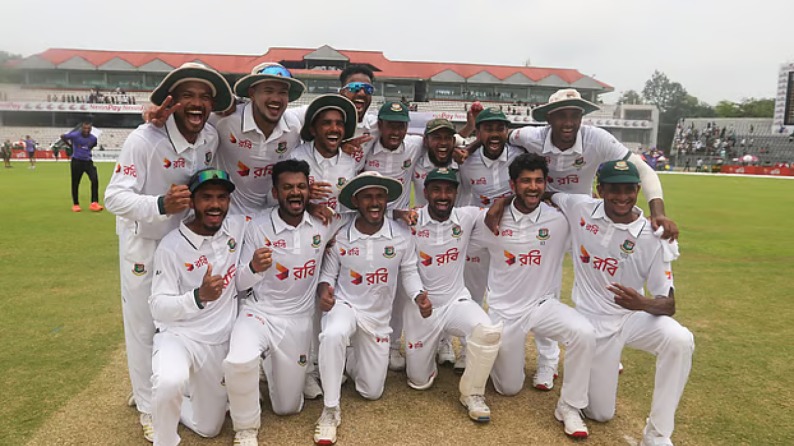
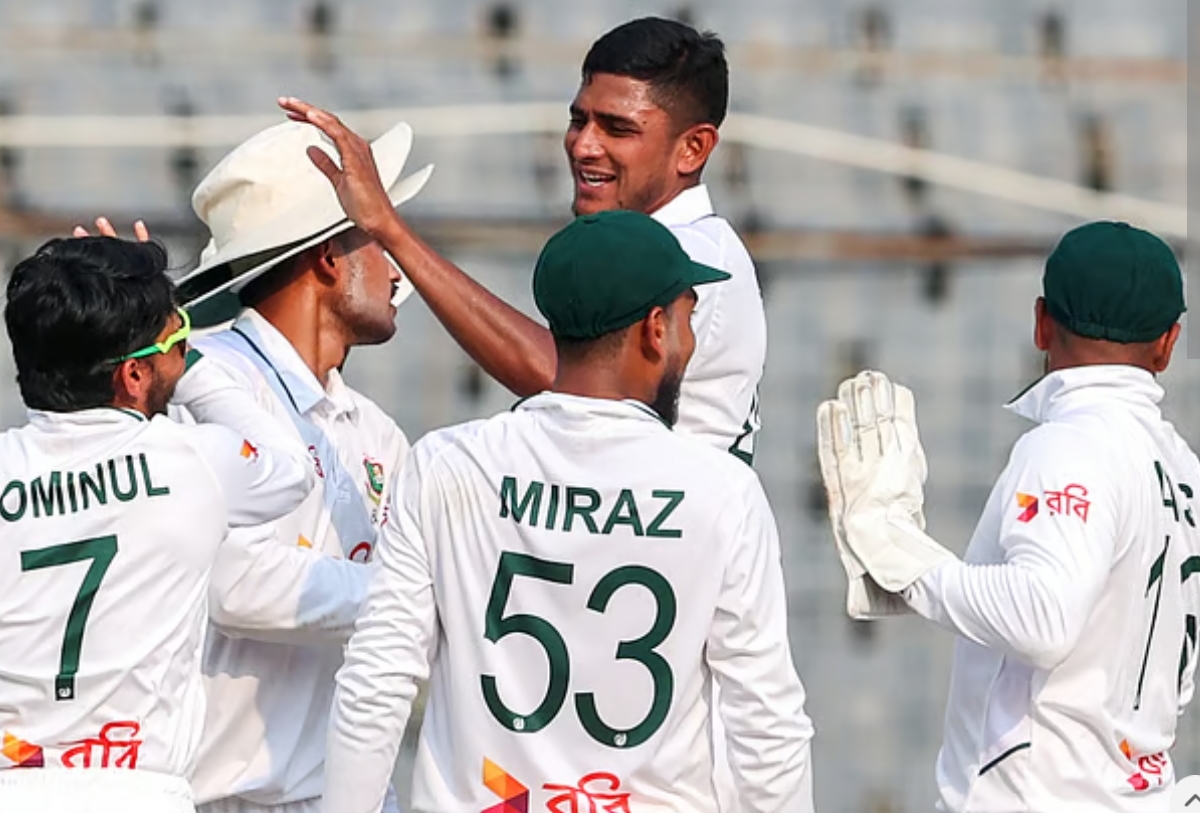
Pakistan has yet to officially explain why it is refusing to play India in the T20 World Cup. However, the implications of such a move go far beyond the two rival nations. The decision is expected to affect global cricket as a whole—and Bangladesh will not be spared from the fallout.

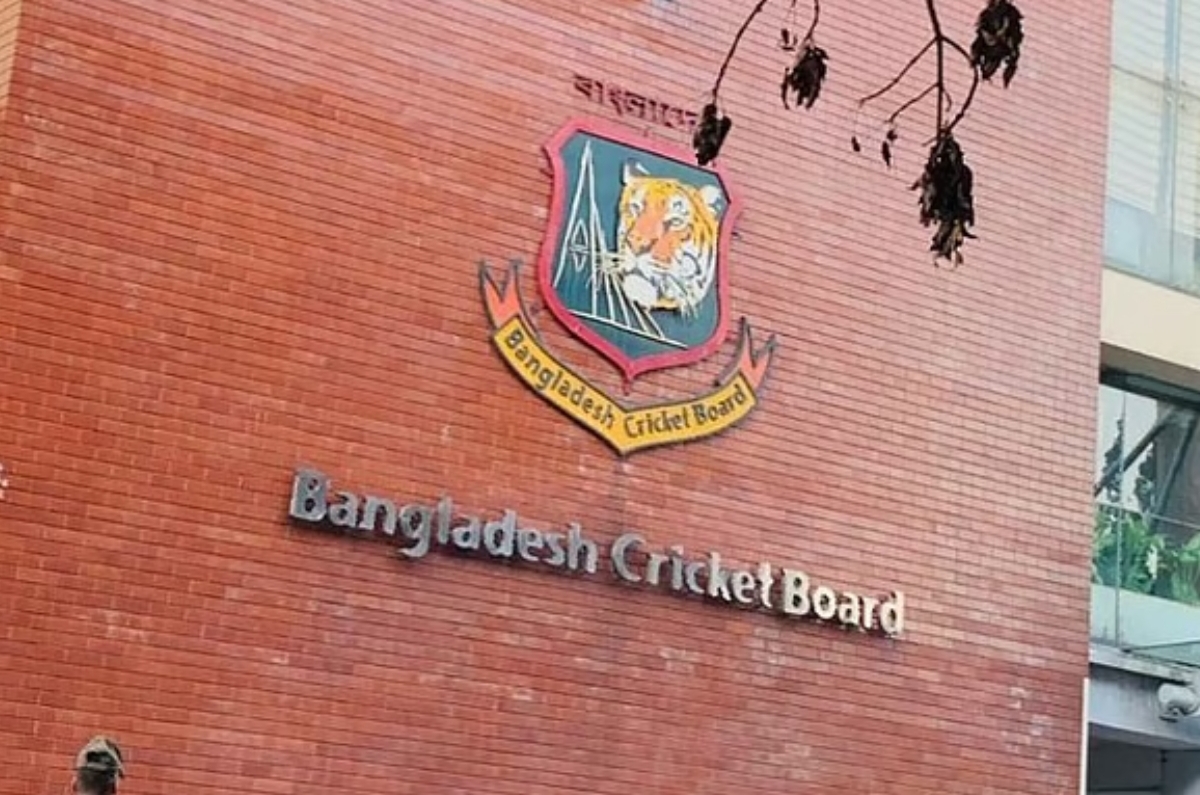
When asked for their reaction, no director of the Bangladesh Cricket Board (BCB) agreed to speak on record. Privately, though, there is growing concern over the potential financial damage. A major portion of BCB’s income comes from ICC revenue sharing, making any disruption at the global level particularly worrying.

On the field, the traditional India–Pakistan rivalry has lost some of its competitive edge. Pakistan suffered defeats in all three encounters against India in the most recent Asia Cup. Yet the significance of this fixture extends far beyond results or rivalry—it carries enormous commercial value.

After the Pakistan government communicated its stance the night before last, the ICC responded by warning that a refusal to play such a high-profile match would impact the entire cricket “ecosystem.” The biggest blow, according to the ICC and echoed by BCB officials, would be financial.

Speaking anonymously, a senior BCB director told local media that the absence of an India–Pakistan match would hurt cricket boards worldwide, including Bangladesh. “Our share of ICC revenue would shrink as well. This is not the kind of loss we want,” the official said. At the same time, he suggested that Pakistan may be trying to send a strong message. “They want to challenge India’s dominance in world cricket. From that perspective, their move may make sense.”

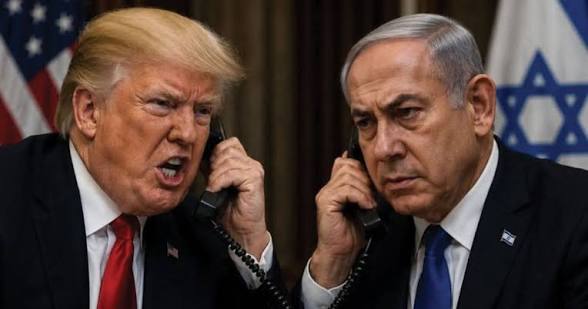
Political tensions between India and Pakistan are widely seen as a key reason behind Pakistan’s refusal to play. PCB chairman Mohsin Naqvi has consistently opposed changes to Bangladesh’s proposed venues and has spoken against organizing the World Cup without Bangladesh. He has also supported Bangladesh’s position in ICC meetings. For that reason, some view Pakistan’s stance as an indirect show of solidarity with Bangladesh.

Others see it as a broader statement aimed at India. One BCB director said the ICC failed to properly consider Bangladesh’s concerns before excluding them, making a response inevitable. “Pakistan’s announcement that they won’t play India is a major development,” he noted.

Still, frustration is evident within the BCB. Missing out on the T20 World Cup already means significant financial strain. Domestic cricket generates little revenue, and income from sponsors and broadcast rights is often insufficient to cover annual operational costs.

Another BCB director involved in the World Cup-related developments explained that the situation could directly affect the ICC’s central revenue pool, of which Bangladesh is a stakeholder. “Smaller nations may survive on minimal funding, but with our infrastructure, a reduction in ICC income would be extremely difficult for us,” he said.

Beyond finances, Bangladesh’s cricketing relationship with India—much like Pakistan’s—has also grown increasingly tense. The BCB fears negative consequences for future tournaments and bilateral tours, including the Asia Cup. Even so, officials remain cautiously hopeful that the situation will ease. As one director concluded, “The door to dialogue is always open. Let’s see what happens.”

Tag :

Please Share This Post in Your Social Media

BCB Expresses Concern Over Pakistan’s Decision to Boycott India

Update Time : 07:07:58 am, Tuesday, 3 February 2026

Pakistan has yet to officially explain why it is refusing to play India in the T20 World Cup. However, the implications of such a move go far beyond the two rival nations. The decision is expected to affect global cricket as a whole—and Bangladesh will not be spared from the fallout.

When asked for their reaction, no director of the Bangladesh Cricket Board (BCB) agreed to speak on record. Privately, though, there is growing concern over the potential financial damage. A major portion of BCB’s income comes from ICC revenue sharing, making any disruption at the global level particularly worrying.

On the field, the traditional India–Pakistan rivalry has lost some of its competitive edge. Pakistan suffered defeats in all three encounters against India in the most recent Asia Cup. Yet the significance of this fixture extends far beyond results or rivalry—it carries enormous commercial value.

After the Pakistan government communicated its stance the night before last, the ICC responded by warning that a refusal to play such a high-profile match would impact the entire cricket “ecosystem.” The biggest blow, according to the ICC and echoed by BCB officials, would be financial.

Speaking anonymously, a senior BCB director told local media that the absence of an India–Pakistan match would hurt cricket boards worldwide, including Bangladesh. “Our share of ICC revenue would shrink as well. This is not the kind of loss we want,” the official said. At the same time, he suggested that Pakistan may be trying to send a strong message. “They want to challenge India’s dominance in world cricket. From that perspective, their move may make sense.”

Political tensions between India and Pakistan are widely seen as a key reason behind Pakistan’s refusal to play. PCB chairman Mohsin Naqvi has consistently opposed changes to Bangladesh’s proposed venues and has spoken against organizing the World Cup without Bangladesh. He has also supported Bangladesh’s position in ICC meetings. For that reason, some view Pakistan’s stance as an indirect show of solidarity with Bangladesh.

Others see it as a broader statement aimed at India. One BCB director said the ICC failed to properly consider Bangladesh’s concerns before excluding them, making a response inevitable. “Pakistan’s announcement that they won’t play India is a major development,” he noted.

Still, frustration is evident within the BCB. Missing out on the T20 World Cup already means significant financial strain. Domestic cricket generates little revenue, and income from sponsors and broadcast rights is often insufficient to cover annual operational costs.

Another BCB director involved in the World Cup-related developments explained that the situation could directly affect the ICC’s central revenue pool, of which Bangladesh is a stakeholder. “Smaller nations may survive on minimal funding, but with our infrastructure, a reduction in ICC income would be extremely difficult for us,” he said.

Beyond finances, Bangladesh’s cricketing relationship with India—much like Pakistan’s—has also grown increasingly tense. The BCB fears negative consequences for future tournaments and bilateral tours, including the Asia Cup. Even so, officials remain cautiously hopeful that the situation will ease. As one director concluded, “The door to dialogue is always open. Let’s see what happens.”