Dhaka 11:12 pm, Wednesday, 17 June 2026

Dhaka’s Race to the Top: Will the City Be Ready for What Comes Next?

Reporter Name
  • Update Time : 12:01:49 pm, Wednesday, 26 November 2025
  • / 487 Time View

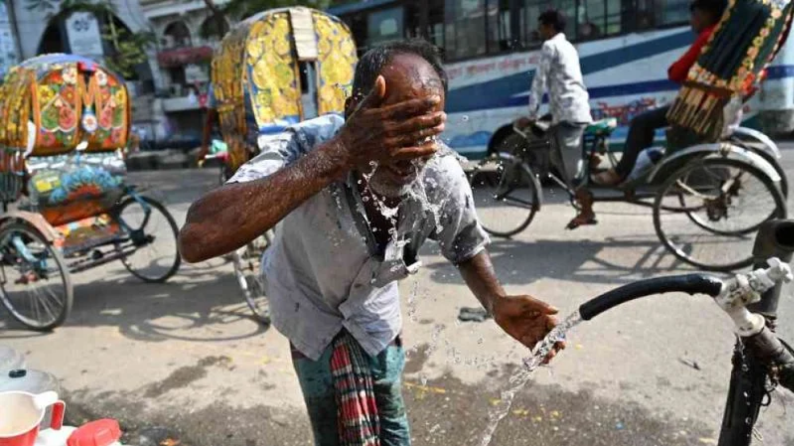
Over the past 25 years, Dhaka has climbed seven positions to become the world’s second-largest megacity by population. Only Jakarta remains ahead of it. According to the UN’s World Urbanization Prospects 2025, Jakarta is also expected to fall behind within the next 25 years—meaning Dhaka may soon become the most populous city on Earth.

Urban experts say that such growth will bring enormous challenges unless Bangladesh begins preparing immediately.

A Population Boom Still Unfolding

The UN report projects that by 2050, Dhaka’s population could reach about 52 million, pushing it to the top of the global list, overtaking Jakarta.

Jakarta currently holds the number-one position with around 41.9 million residents (as of July 2025). In the year 2000, that number was 25.6 million. But by 2050, Jakarta’s population is expected to reach 51.8 million, placing it just behind Dhaka.

Tokyo—long the world’s largest city—has already slipped to third place with 33.4 million people. By 2050, it may fall further to seventh, with its population declining to around 30.7 million.

Dhaka’s Rapid Climb

Dhaka’s population today is estimated at 36.6 million, up from 17.4 million in 2000 when it ranked ninth globally. Its average yearly growth rate since then has been nearly 3 percent.

This surge, however, has outpaced the city’s ability to provide housing, transport, clean water, waste management, and breathable air. Much of the expansion has been unplanned, placing pressure on basic services.

Urban planner and academic Uswatun Mahera notes that roughly half a million people move to Dhaka every year, overwhelming the city’s infrastructure. She warns that without sustainable and coordinated planning, the capital will struggle to meet even fundamental civic needs.

Who Follows Dhaka and Jakarta?

In the 2025 ranking, the world’s largest cities after Dhaka and Jakarta include:

Tokyo – 33.4 million

New Delhi – 30.2 million

Shanghai – 29.6 million

Other major megacities in the top 10 include Cairo, Manila, Guangzhou, Kolkata, and Seoul—though many of their rankings are expected to shift by 2050.

Why So Many People Are Moving to Dhaka

Mohammad Moinul Islam, former chair of Dhaka University’s Population Sciences department, explains that migration into Dhaka is growing at more than twice the national population growth rate.

Key reasons include:

Limited job opportunities in rural areas

Climate-related displacement

Loss of agricultural land

Access to education, healthcare, and other urban services

He warns that the city is already overstretched—and the situation is likely to worsen.

A New Urban Policy Is Needed

Experts argue that Bangladesh must adopt a modern urban development strategy. Essential steps include:

Strengthening all agencies involved in providing civic services

Shifting commercial and industrial activities away from the capital

Developing other major cities to reduce pressure on Dhaka

They emphasize that population growth is unavoidable—but crisis is not, if planning begins now.

Tag :

Please Share This Post in Your Social Media

Dhaka’s Race to the Top: Will the City Be Ready for What Comes Next?

Update Time : 12:01:49 pm, Wednesday, 26 November 2025

Over the past 25 years, Dhaka has climbed seven positions to become the world’s second-largest megacity by population. Only Jakarta remains ahead of it. According to the UN’s World Urbanization Prospects 2025, Jakarta is also expected to fall behind within the next 25 years—meaning Dhaka may soon become the most populous city on Earth.

Urban experts say that such growth will bring enormous challenges unless Bangladesh begins preparing immediately.

A Population Boom Still Unfolding

The UN report projects that by 2050, Dhaka’s population could reach about 52 million, pushing it to the top of the global list, overtaking Jakarta.

Jakarta currently holds the number-one position with around 41.9 million residents (as of July 2025). In the year 2000, that number was 25.6 million. But by 2050, Jakarta’s population is expected to reach 51.8 million, placing it just behind Dhaka.

Tokyo—long the world’s largest city—has already slipped to third place with 33.4 million people. By 2050, it may fall further to seventh, with its population declining to around 30.7 million.

Dhaka’s Rapid Climb

Dhaka’s population today is estimated at 36.6 million, up from 17.4 million in 2000 when it ranked ninth globally. Its average yearly growth rate since then has been nearly 3 percent.

This surge, however, has outpaced the city’s ability to provide housing, transport, clean water, waste management, and breathable air. Much of the expansion has been unplanned, placing pressure on basic services.

Urban planner and academic Uswatun Mahera notes that roughly half a million people move to Dhaka every year, overwhelming the city’s infrastructure. She warns that without sustainable and coordinated planning, the capital will struggle to meet even fundamental civic needs.

Who Follows Dhaka and Jakarta?

In the 2025 ranking, the world’s largest cities after Dhaka and Jakarta include:

Tokyo – 33.4 million

New Delhi – 30.2 million

Shanghai – 29.6 million

Other major megacities in the top 10 include Cairo, Manila, Guangzhou, Kolkata, and Seoul—though many of their rankings are expected to shift by 2050.

Why So Many People Are Moving to Dhaka

Mohammad Moinul Islam, former chair of Dhaka University’s Population Sciences department, explains that migration into Dhaka is growing at more than twice the national population growth rate.

Key reasons include:

Limited job opportunities in rural areas

Climate-related displacement

Loss of agricultural land

Access to education, healthcare, and other urban services

He warns that the city is already overstretched—and the situation is likely to worsen.

A New Urban Policy Is Needed

Experts argue that Bangladesh must adopt a modern urban development strategy. Essential steps include:

Strengthening all agencies involved in providing civic services

Shifting commercial and industrial activities away from the capital

Developing other major cities to reduce pressure on Dhaka

They emphasize that population growth is unavoidable—but crisis is not, if planning begins now.