Dhaka 7:50 pm, Friday, 1 May 2026

Who poisoned the dogs and cats in Japan Garden City?

Staff Correspondent
  • Update Time : 05:21:16 am, Tuesday, 13 January 2026
  • / 268 Time View

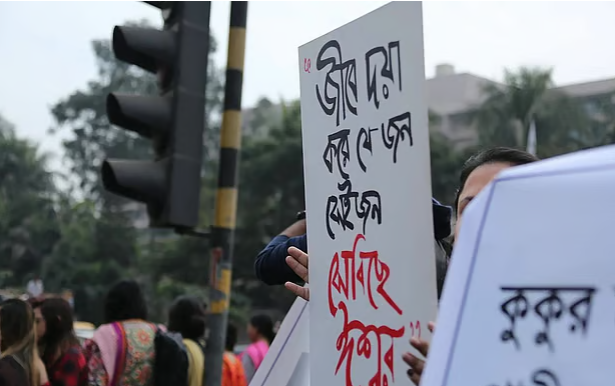
At around 9:00 pm on November 22, 2024, residents of Japan Garden City in Dhaka witnessed a disturbing scene inside their housing complex. Several dogs and a cat were suddenly seen running around in severe distress. In front of shocked onlookers, the animals began vomiting blood and died shortly afterward. Police later recovered the bodies of three dogs and one cat from the scene. Initial suspicions pointed to deliberate poisoning, a claim later supported by post-mortem findings.

A criminal case was subsequently filed, naming six members of the Japan Garden City Central Committee—the body responsible for managing the residential area—including its president and general secretary. The investigation was assigned to the Police Bureau of Investigation (PBI). While the agency confirmed that the animals had been killed, it reported that no evidence could be found linking the accused individuals to the crime and recommended that all six be cleared of the charges.

Bangladesh enacted the Animal Welfare Act in 2019 to prevent cruelty against animals. Under Section 11 of the law, killing or injuring an animal through poisoning or poisoned food is a punishable offense, carrying a penalty of up to two years in prison, a fine of up to 50,000 taka, or both.

The case’s complainant, Md Rakibul Haque, expressed deep disappointment with the investigation’s findings. He is the chairman of the animal rights organization People for Animal Welfare Foundation. According to him, the animals did not die on their own, and identifying those responsible should have been the investigators’ duty.

Rakibul Haque has announced plans to challenge the investigation report in court by filing a formal objection.

Public awareness regarding animal cruelty has been increasing, despite such incidents continuing to occur. In December, a separate case in Ishwardi, Pabna, drew national attention after eight puppies were tied in sacks and drowned in a pond, leading to a court case and an arrest. The Japan Garden City incident occurred roughly a year earlier.

Background of the Case

Architect Rakibul Haque filed the case on behalf of four animal welfare organizations. Fourteen days after the incident, on January 5, 2025, the case was registered at Adabar Police Station under Sections 428 and 506 of the Penal Code. Section 428 deals with killing animals and carries a maximum punishment of two years in prison, while Section 506 addresses criminal intimidation.

Six individuals were named as accused: Abdus Salam (then president of the Japan Garden City Central Committee), Mohammad Shah Noor Bhuiyan (general secretary), Mobarak Akhtar Md Yahia Khandaker (senior vice-president), Md Arifur Rahman (joint general secretary), Md Shah Alam Bhuiyan (organizational secretary), and Md Kajol Anwar (youth and sports secretary).

The complainant alleged that after a new committee took charge on December 25, 2023, efforts began to remove dogs and cats from the residential area. According to the complaint, stray and pet animals were subjected to repeated abuse—sometimes beaten with sticks by security guards, sometimes scalded with hot water, and on occasion nearly killed.

The case also mentioned that on May 3, 2024, a resident named Khandaker Tazruba Haque was allegedly threatened with death for protesting animal abuse. She later filed a general diary at the police station, after which the accused reportedly paused their actions briefly.

However, the complaint stated that several months later, the accused resumed their activities and allegedly planned the poisoning of animals on November 22. That night, poisoned food was allegedly fed to dogs, resulting in the deaths of ten dogs and one cat.

Police were alerted by residents and animal rights activists. An assistant sub-inspector from Adabar Police Station arrived at the scene and recovered four bodies. The remaining bodies were allegedly removed and hidden, according to the complainant. Rakibul Haque further claimed that he himself was threatened when he questioned the accused about the killings.

Investigation Outcome

The PBI acknowledged that the animals died due to organophosphate poisoning, commonly found in pesticides, based on forensic examination and expert opinions. However, the investigation report stated that no eyewitnesses or concrete evidence could establish that the accused individuals poisoned the animals or issued threats. As a result, the agency concluded that the allegations could not be legally substantiated.

The final report, submitted on November 30 to the Chief Metropolitan Magistrate’s Court in Dhaka, recommended that all six accused be discharged from the case.

Attempts to contact the investigating officer, Sub-Inspector Md Ershad Hossain, were unsuccessful. Phone calls and text messages also went unanswered.

Several of the accused denied the allegations. Yahia Khandaker stated that he had no knowledge of the incident and was not even in the country at the time. Shah Alam Bhuiyan claimed he was recovering from open-heart surgery when the incident occurred and described the accusations as malicious.

Rakibul Haque rejected the investigation’s conclusion, arguing that Japan Garden City is a restricted residential area and that it was unlikely outsiders could have committed the act. He insisted that responsibility could not be dismissed so easily and reiterated his demand for justice.

Court sources said a hearing on whether the investigation report should be accepted was initially scheduled for December 21. However, the complainant sought additional time to file objections. The court granted the request and set January 29 as the next hearing date.


Tag :

Please Share This Post in Your Social Media

Who poisoned the dogs and cats in Japan Garden City?

Update Time : 05:21:16 am, Tuesday, 13 January 2026

At around 9:00 pm on November 22, 2024, residents of Japan Garden City in Dhaka witnessed a disturbing scene inside their housing complex. Several dogs and a cat were suddenly seen running around in severe distress. In front of shocked onlookers, the animals began vomiting blood and died shortly afterward. Police later recovered the bodies of three dogs and one cat from the scene. Initial suspicions pointed to deliberate poisoning, a claim later supported by post-mortem findings.

A criminal case was subsequently filed, naming six members of the Japan Garden City Central Committee—the body responsible for managing the residential area—including its president and general secretary. The investigation was assigned to the Police Bureau of Investigation (PBI). While the agency confirmed that the animals had been killed, it reported that no evidence could be found linking the accused individuals to the crime and recommended that all six be cleared of the charges.

Bangladesh enacted the Animal Welfare Act in 2019 to prevent cruelty against animals. Under Section 11 of the law, killing or injuring an animal through poisoning or poisoned food is a punishable offense, carrying a penalty of up to two years in prison, a fine of up to 50,000 taka, or both.

The case’s complainant, Md Rakibul Haque, expressed deep disappointment with the investigation’s findings. He is the chairman of the animal rights organization People for Animal Welfare Foundation. According to him, the animals did not die on their own, and identifying those responsible should have been the investigators’ duty.

Rakibul Haque has announced plans to challenge the investigation report in court by filing a formal objection.

Public awareness regarding animal cruelty has been increasing, despite such incidents continuing to occur. In December, a separate case in Ishwardi, Pabna, drew national attention after eight puppies were tied in sacks and drowned in a pond, leading to a court case and an arrest. The Japan Garden City incident occurred roughly a year earlier.

Background of the Case

Architect Rakibul Haque filed the case on behalf of four animal welfare organizations. Fourteen days after the incident, on January 5, 2025, the case was registered at Adabar Police Station under Sections 428 and 506 of the Penal Code. Section 428 deals with killing animals and carries a maximum punishment of two years in prison, while Section 506 addresses criminal intimidation.

Six individuals were named as accused: Abdus Salam (then president of the Japan Garden City Central Committee), Mohammad Shah Noor Bhuiyan (general secretary), Mobarak Akhtar Md Yahia Khandaker (senior vice-president), Md Arifur Rahman (joint general secretary), Md Shah Alam Bhuiyan (organizational secretary), and Md Kajol Anwar (youth and sports secretary).

The complainant alleged that after a new committee took charge on December 25, 2023, efforts began to remove dogs and cats from the residential area. According to the complaint, stray and pet animals were subjected to repeated abuse—sometimes beaten with sticks by security guards, sometimes scalded with hot water, and on occasion nearly killed.

The case also mentioned that on May 3, 2024, a resident named Khandaker Tazruba Haque was allegedly threatened with death for protesting animal abuse. She later filed a general diary at the police station, after which the accused reportedly paused their actions briefly.

However, the complaint stated that several months later, the accused resumed their activities and allegedly planned the poisoning of animals on November 22. That night, poisoned food was allegedly fed to dogs, resulting in the deaths of ten dogs and one cat.

Police were alerted by residents and animal rights activists. An assistant sub-inspector from Adabar Police Station arrived at the scene and recovered four bodies. The remaining bodies were allegedly removed and hidden, according to the complainant. Rakibul Haque further claimed that he himself was threatened when he questioned the accused about the killings.

Investigation Outcome

The PBI acknowledged that the animals died due to organophosphate poisoning, commonly found in pesticides, based on forensic examination and expert opinions. However, the investigation report stated that no eyewitnesses or concrete evidence could establish that the accused individuals poisoned the animals or issued threats. As a result, the agency concluded that the allegations could not be legally substantiated.

The final report, submitted on November 30 to the Chief Metropolitan Magistrate’s Court in Dhaka, recommended that all six accused be discharged from the case.

Attempts to contact the investigating officer, Sub-Inspector Md Ershad Hossain, were unsuccessful. Phone calls and text messages also went unanswered.

Several of the accused denied the allegations. Yahia Khandaker stated that he had no knowledge of the incident and was not even in the country at the time. Shah Alam Bhuiyan claimed he was recovering from open-heart surgery when the incident occurred and described the accusations as malicious.

Rakibul Haque rejected the investigation’s conclusion, arguing that Japan Garden City is a restricted residential area and that it was unlikely outsiders could have committed the act. He insisted that responsibility could not be dismissed so easily and reiterated his demand for justice.

Court sources said a hearing on whether the investigation report should be accepted was initially scheduled for December 21. However, the complainant sought additional time to file objections. The court granted the request and set January 29 as the next hearing date.