Dhaka 6:26 pm, Friday, 24 April 2026

“No Doubts,” Voting Excitement Hits Teknaf

Staff Correspondent :
  • Update Time : 07:12:57 am, Tuesday, 3 February 2026
  • / 158 Time View

“No Doubts,” Voting Excitement in Teknaf

The journey began from Dhaka to Shahporir Island in Teknaf, nearly 500 kilometers away, to capture the atmosphere of the election in the far southeastern edge of the country.

Before leaving Dhaka, two main conversations stood out. First, among lower-income people like day laborers, rickshaw, van, and auto drivers, one party seemed more prominent, sparking speculation about its chances of winning. Second, even among educated observers, there was uncertainty about whether the election would actually be held on February 12, given both internal political concerns and fears about escalating conflict in Myanmar’s Rakhine State, which borders the area.

For years, armed conflict in Rakhine has occasionally spilled over into Bangladesh, creating fear among border communities. Some worried that a spike in violence could affect the local election. Others suspected electoral manipulation. These discussions were mostly speculative.

However, once reaching Cox’s Bazar, the first concern—local support for a particular party—shifted, and the second—fears about the Myanmar conflict—faded entirely after visiting Ukhiya, Teknaf, and finally Shahporir Island.

Voting Along the Naf River

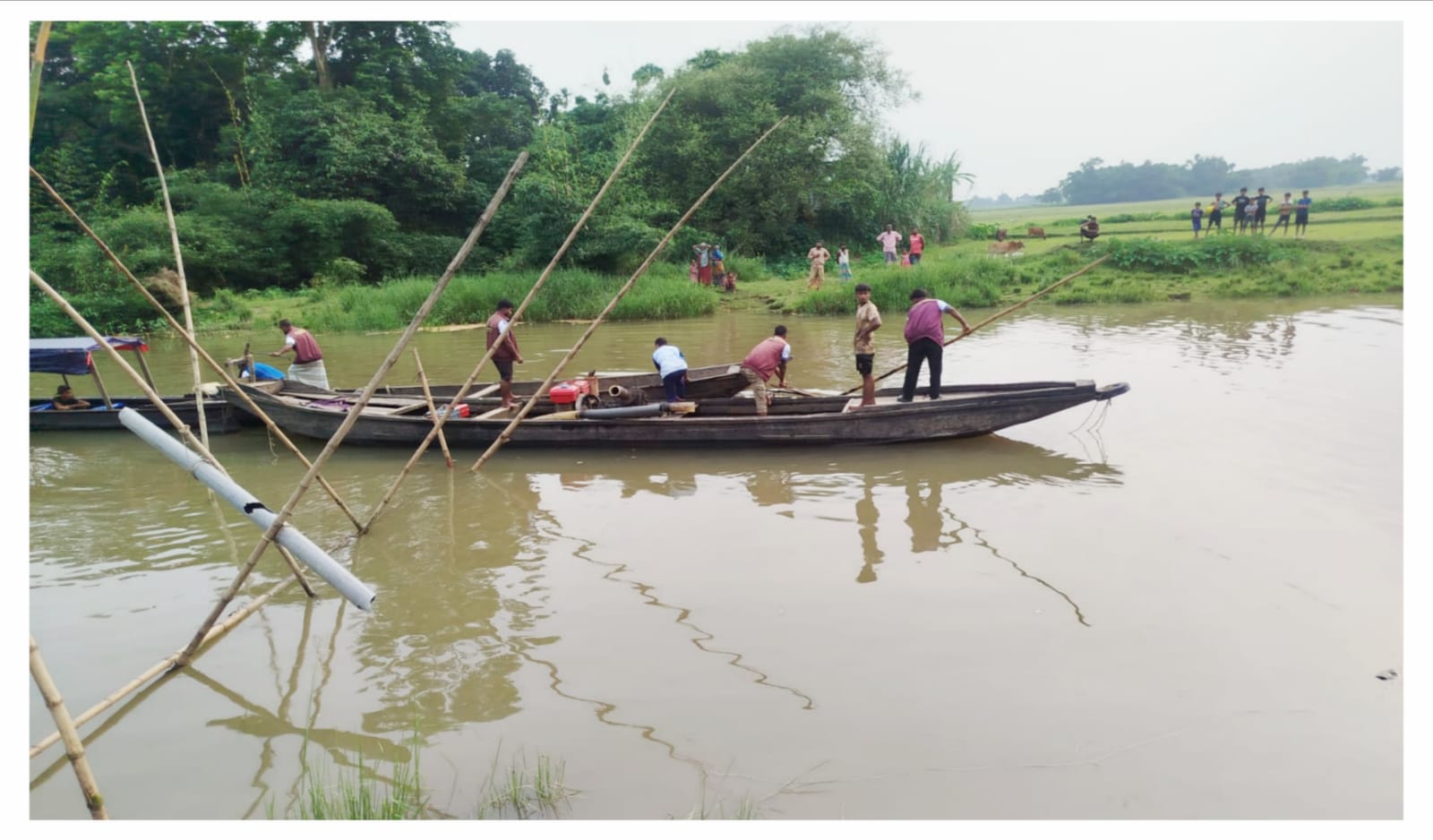
Just as Panchagarh in the north borders the Mahānanda River, Teknaf in the southeast lies along the Naf River, which separates Bangladesh from Myanmar. Shahporir Island sits within this river, flanked by the Bay of Bengal to the west and hills and rivers to the east, making the constituency geographically sensitive.

Residents rely primarily on salt farming and fishing, but the area is also known globally due to the Rohingya refugee crisis, smuggling, human trafficking, and border security concerns. This year, four candidates are competing in Cox’s Bazar-4: Shahjahan Chowdhury of BNP, Nur Ahmad Anwari of Jamaat-e-Islami, Nurul Haque of Islami Andolan, and Saifuddin Khaled of the National Democratic Movement (NDM).

On Shahporir Island, conversations with residents revealed lively political debate. A shopkeeper in Sabrang, around 70, said he has supported BNP since Ziaur Rahman’s era but will vote for Jamaat this time, marking a notable shift in local dynamics. Nearby, restaurant owner Nurul Alam believed BNP’s Shahjahan Chowdhury would win comfortably.

Rickshaw driver and first-time voter Md. Rafik noted that the usual excitement of elections was absent, joking that without the Awami League contesting actively, the atmosphere felt muted.

Two Candidates on the Campaign Trail

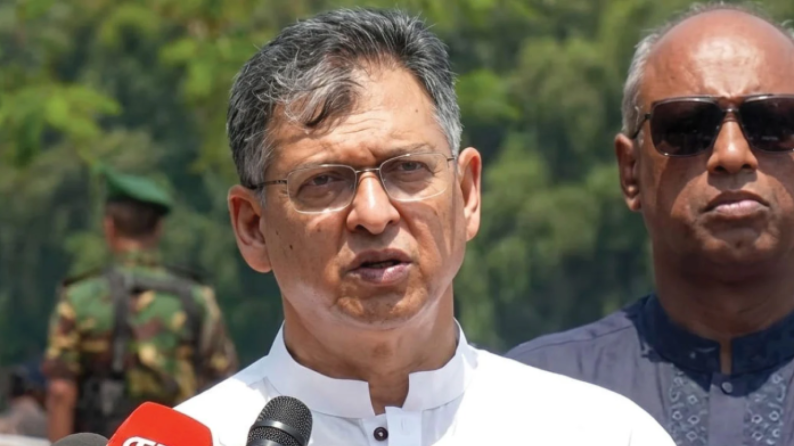
During the journey to Shahporir Island, Shahjahan Chowdhury was observed meeting party workers and preparing for a rally at the “Three Roads” junction. A former four-term MP and district BNP secretary, Chowdhury highlighted that the campaign had so far remained peaceful, though he expressed concern over misinformation and agitation by supporters of his main rival, Nur Ahmad Anwari.

At the same time, Anwari was conducting a street rally in Ukhiya, highlighting alleged harassment of female party workers by Chowdhury’s supporters and assuring the public that his party would not engage in voter manipulation.

Voting Landscape and Local Dynamics

Cox’s Bazar-4 comprises two upazilas—Ukhiya and Teknaf—covering 11 unions and one municipality. The total voter count is 371,825, with near-equal numbers of men and women. Teknaf has about 32,000 more voters than Ukhiya. Shahjahan Chowdhury’s home is in Ukhiya, while Anwari’s is in Teknaf, reflecting a regional influence in voting patterns. Observers say women, young voters, and Awami League supporters may play a decisive role in the outcome.

Two former MPs from Awami League, Abdur Rahman Badi (currently in jail) and his wife Shaheen Akter (residing in Malaysia), are largely absent from the field. Chowdhury hopes to secure some Awami League votes, arguing that BNP and Awami League share similar stances on the Liberation War. Anwari counters that Awami League votes remain with their party, though local compromises may influence behavior.

No More Doubts

Chowdhury emphasized the importance of an inclusive election, involving all parties, similar to Ziaur Rahman’s approach. Regarding public doubts before the journey, residents from Shahporir Island and surrounding areas—laborers, small business owners, and rickshaw drivers—now show no uncertainty about the election. Conversations focus instead on candidates’ strengths, weaknesses, and voter preferences.

Chowdhury concluded, “Any prior worries are gone. There are no doubts among the people regarding the election.”
Tag :

Please Share This Post in Your Social Media

“No Doubts,” Voting Excitement Hits Teknaf

Update Time : 07:12:57 am, Tuesday, 3 February 2026

“No Doubts,” Voting Excitement in Teknaf

The journey began from Dhaka to Shahporir Island in Teknaf, nearly 500 kilometers away, to capture the atmosphere of the election in the far southeastern edge of the country.

Before leaving Dhaka, two main conversations stood out. First, among lower-income people like day laborers, rickshaw, van, and auto drivers, one party seemed more prominent, sparking speculation about its chances of winning. Second, even among educated observers, there was uncertainty about whether the election would actually be held on February 12, given both internal political concerns and fears about escalating conflict in Myanmar’s Rakhine State, which borders the area.

For years, armed conflict in Rakhine has occasionally spilled over into Bangladesh, creating fear among border communities. Some worried that a spike in violence could affect the local election. Others suspected electoral manipulation. These discussions were mostly speculative.

However, once reaching Cox’s Bazar, the first concern—local support for a particular party—shifted, and the second—fears about the Myanmar conflict—faded entirely after visiting Ukhiya, Teknaf, and finally Shahporir Island.

Voting Along the Naf River

Just as Panchagarh in the north borders the Mahānanda River, Teknaf in the southeast lies along the Naf River, which separates Bangladesh from Myanmar. Shahporir Island sits within this river, flanked by the Bay of Bengal to the west and hills and rivers to the east, making the constituency geographically sensitive.

Residents rely primarily on salt farming and fishing, but the area is also known globally due to the Rohingya refugee crisis, smuggling, human trafficking, and border security concerns. This year, four candidates are competing in Cox’s Bazar-4: Shahjahan Chowdhury of BNP, Nur Ahmad Anwari of Jamaat-e-Islami, Nurul Haque of Islami Andolan, and Saifuddin Khaled of the National Democratic Movement (NDM).

On Shahporir Island, conversations with residents revealed lively political debate. A shopkeeper in Sabrang, around 70, said he has supported BNP since Ziaur Rahman’s era but will vote for Jamaat this time, marking a notable shift in local dynamics. Nearby, restaurant owner Nurul Alam believed BNP’s Shahjahan Chowdhury would win comfortably.

Rickshaw driver and first-time voter Md. Rafik noted that the usual excitement of elections was absent, joking that without the Awami League contesting actively, the atmosphere felt muted.

Two Candidates on the Campaign Trail

During the journey to Shahporir Island, Shahjahan Chowdhury was observed meeting party workers and preparing for a rally at the “Three Roads” junction. A former four-term MP and district BNP secretary, Chowdhury highlighted that the campaign had so far remained peaceful, though he expressed concern over misinformation and agitation by supporters of his main rival, Nur Ahmad Anwari.

At the same time, Anwari was conducting a street rally in Ukhiya, highlighting alleged harassment of female party workers by Chowdhury’s supporters and assuring the public that his party would not engage in voter manipulation.

Voting Landscape and Local Dynamics

Cox’s Bazar-4 comprises two upazilas—Ukhiya and Teknaf—covering 11 unions and one municipality. The total voter count is 371,825, with near-equal numbers of men and women. Teknaf has about 32,000 more voters than Ukhiya. Shahjahan Chowdhury’s home is in Ukhiya, while Anwari’s is in Teknaf, reflecting a regional influence in voting patterns. Observers say women, young voters, and Awami League supporters may play a decisive role in the outcome.

Two former MPs from Awami League, Abdur Rahman Badi (currently in jail) and his wife Shaheen Akter (residing in Malaysia), are largely absent from the field. Chowdhury hopes to secure some Awami League votes, arguing that BNP and Awami League share similar stances on the Liberation War. Anwari counters that Awami League votes remain with their party, though local compromises may influence behavior.

No More Doubts

Chowdhury emphasized the importance of an inclusive election, involving all parties, similar to Ziaur Rahman’s approach. Regarding public doubts before the journey, residents from Shahporir Island and surrounding areas—laborers, small business owners, and rickshaw drivers—now show no uncertainty about the election. Conversations focus instead on candidates’ strengths, weaknesses, and voter preferences.

Chowdhury concluded, “Any prior worries are gone. There are no doubts among the people regarding the election.”