Dhaka 12:02 pm, Saturday, 7 March 2026

Metro’s New Managing Director: What Does It Signal?

Staff Correspondent :
  • Update Time : 05:25:34 am, Thursday, 5 March 2026
  • / 75 Time View

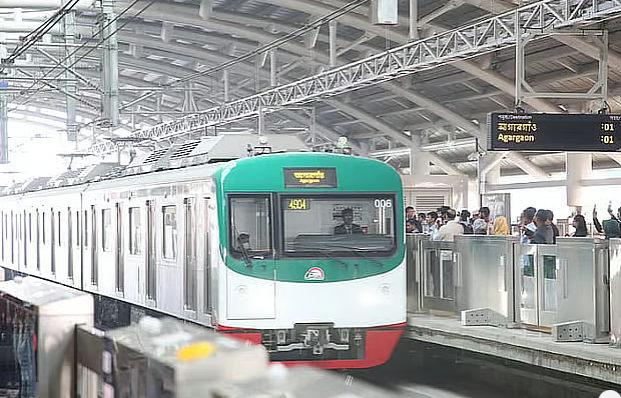
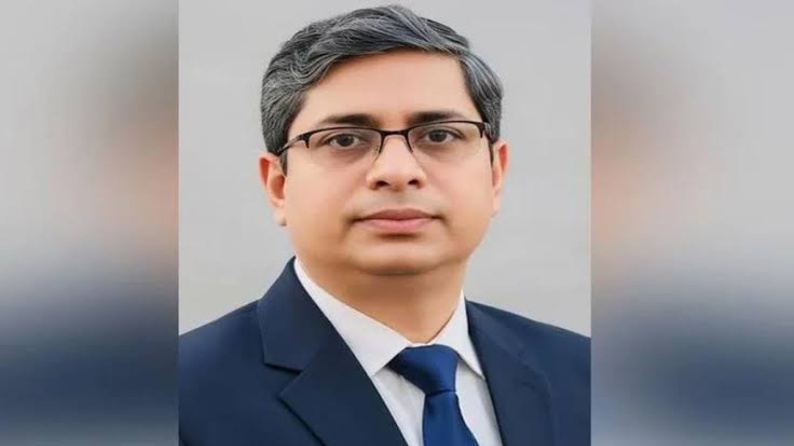
The government has removed Faruk Ahmed from the position of Managing Director of Dhaka Mass Transit Company Limited (DMTCL), the organization responsible for operating Dhaka’s metro rail system. He had been appointed through an international recruitment process by the interim administration and was the first technical expert—rather than a career bureaucrat—to lead the agency.

Before his appointment, the top position at DMTCL had traditionally been held by government officials. Ahmed’s removal has therefore raised questions about whether the administration is returning to the earlier practice of placing civil servants in charge of the specialized institution.

Political change and administrative decisions

Since taking office on February 17, the **Bangladesh Nationalist Party-led government has introduced a series of administrative changes across different sectors. Some of these moves have sparked debate, including the decision to remove Ahmed from his role earlier this week.

The timing has drawn particular attention because Ahmed had been negotiating with lenders, contractors, and consultants in an effort to reduce the cost of metro rail projects. His efforts reportedly put pressure on several parties involved in the project.

Ahmed had been appointed in February last year for a three-year term but was removed after serving roughly one year. Following his removal, Additional Secretary Anisur Rahman from the Road Transport Ministry has been given additional responsibility as managing director.

Background of DMTCL leadership

Dhaka Mass Transit Company Limited was established in 2013 to construct and operate metro rail services in Bangladesh. Despite early recommendations from Japanese advisers that the agency be led by a professional with at least two decades of technical experience, the position had long been filled by bureaucrats.

Ahmed brought extensive international experience to the role. Over a 37-year career, including about 25 years in metro rail and transport infrastructure projects, he worked in countries such as Australia, India, Saudi Arabia, United Arab Emirates, and Hong Kong.

Work during his tenure

During his time at DMTCL, Ahmed helped reopen two damaged metro stations—Mirpur 10 Metro Station and Kazipara Metro Station—much faster and at far lower cost than initially estimated after they were vandalized during political unrest in August 2024.

While earlier projections suggested repairs could take up to a year and cost about 350 crore taka, the stations were restored in around three months at a cost of less than two crore taka by relocating equipment and sourcing materials locally.

Ahmed also negotiated with contractors working on the metro extension from Motijheel to Kamalapur, reducing projected expenses for rail tracks, electrical systems, and signaling infrastructure from 465 crore taka and saving roughly 169 crore taka.

Additionally, DMTCL under his leadership identified 45 technical faults and deficiencies along the Dhaka Metro Rail MRT Line‑6 route between Uttara and Motijheel. The agency pressured the Japanese contractor to fix several issues, although some problems remain unresolved.

Questions about future cost control

Infrastructure construction costs in Bangladesh—including metro rail—have often been criticized for being unusually high. The previous government launched two metro rail projects in Dhaka with an approved budget of around 93,799 crore taka, but contractor proposals suggested the total could rise to roughly 184,500 crore taka.

Ahmed had been tasked with examining these cost increases and negotiating with the Japanese development agency Japan International Cooperation Agency (JICA), contractors, and consultants to bring down expenses.

According to Shamsul Haque, a professor at the Civil Engineering Department of Bangladesh University of Engineering and Technology, appointing a technically qualified professional as DMTCL’s head had been a positive step. However, removing him could signal a return to the earlier bureaucratic management style.

Haque also noted that Ahmed had taken a firm stance against accepting substandard equipment from contractors and had pushed them to replace faulty supplies. Some contractors were reportedly unhappy with this approach. Questions remain about whether such tensions played a role in the decision to cancel his appointment.
Tag :

Please Share This Post in Your Social Media

Metro’s New Managing Director: What Does It Signal?

Update Time : 05:25:34 am, Thursday, 5 March 2026

The government has removed Faruk Ahmed from the position of Managing Director of Dhaka Mass Transit Company Limited (DMTCL), the organization responsible for operating Dhaka’s metro rail system. He had been appointed through an international recruitment process by the interim administration and was the first technical expert—rather than a career bureaucrat—to lead the agency.

Before his appointment, the top position at DMTCL had traditionally been held by government officials. Ahmed’s removal has therefore raised questions about whether the administration is returning to the earlier practice of placing civil servants in charge of the specialized institution.

Political change and administrative decisions

Since taking office on February 17, the **Bangladesh Nationalist Party-led government has introduced a series of administrative changes across different sectors. Some of these moves have sparked debate, including the decision to remove Ahmed from his role earlier this week.

The timing has drawn particular attention because Ahmed had been negotiating with lenders, contractors, and consultants in an effort to reduce the cost of metro rail projects. His efforts reportedly put pressure on several parties involved in the project.

Ahmed had been appointed in February last year for a three-year term but was removed after serving roughly one year. Following his removal, Additional Secretary Anisur Rahman from the Road Transport Ministry has been given additional responsibility as managing director.

Background of DMTCL leadership

Dhaka Mass Transit Company Limited was established in 2013 to construct and operate metro rail services in Bangladesh. Despite early recommendations from Japanese advisers that the agency be led by a professional with at least two decades of technical experience, the position had long been filled by bureaucrats.

Ahmed brought extensive international experience to the role. Over a 37-year career, including about 25 years in metro rail and transport infrastructure projects, he worked in countries such as Australia, India, Saudi Arabia, United Arab Emirates, and Hong Kong.

Work during his tenure

During his time at DMTCL, Ahmed helped reopen two damaged metro stations—Mirpur 10 Metro Station and Kazipara Metro Station—much faster and at far lower cost than initially estimated after they were vandalized during political unrest in August 2024.

While earlier projections suggested repairs could take up to a year and cost about 350 crore taka, the stations were restored in around three months at a cost of less than two crore taka by relocating equipment and sourcing materials locally.

Ahmed also negotiated with contractors working on the metro extension from Motijheel to Kamalapur, reducing projected expenses for rail tracks, electrical systems, and signaling infrastructure from 465 crore taka and saving roughly 169 crore taka.

Additionally, DMTCL under his leadership identified 45 technical faults and deficiencies along the Dhaka Metro Rail MRT Line‑6 route between Uttara and Motijheel. The agency pressured the Japanese contractor to fix several issues, although some problems remain unresolved.

Questions about future cost control

Infrastructure construction costs in Bangladesh—including metro rail—have often been criticized for being unusually high. The previous government launched two metro rail projects in Dhaka with an approved budget of around 93,799 crore taka, but contractor proposals suggested the total could rise to roughly 184,500 crore taka.

Ahmed had been tasked with examining these cost increases and negotiating with the Japanese development agency Japan International Cooperation Agency (JICA), contractors, and consultants to bring down expenses.

According to Shamsul Haque, a professor at the Civil Engineering Department of Bangladesh University of Engineering and Technology, appointing a technically qualified professional as DMTCL’s head had been a positive step. However, removing him could signal a return to the earlier bureaucratic management style.

Haque also noted that Ahmed had taken a firm stance against accepting substandard equipment from contractors and had pushed them to replace faulty supplies. Some contractors were reportedly unhappy with this approach. Questions remain about whether such tensions played a role in the decision to cancel his appointment.