Dhaka 7:16 pm, Thursday, 30 April 2026

Top Terrorist Titon and Two Suspected Killers Grew Up Together in Mohammadpur

Staff Correspondent:
  • Update Time : 08:23:02 am, Thursday, 30 April 2026
  • / 23 Time View

Top Criminal Titon Killed in Dhaka; Investigators Suspect Rivalry Behind Attack

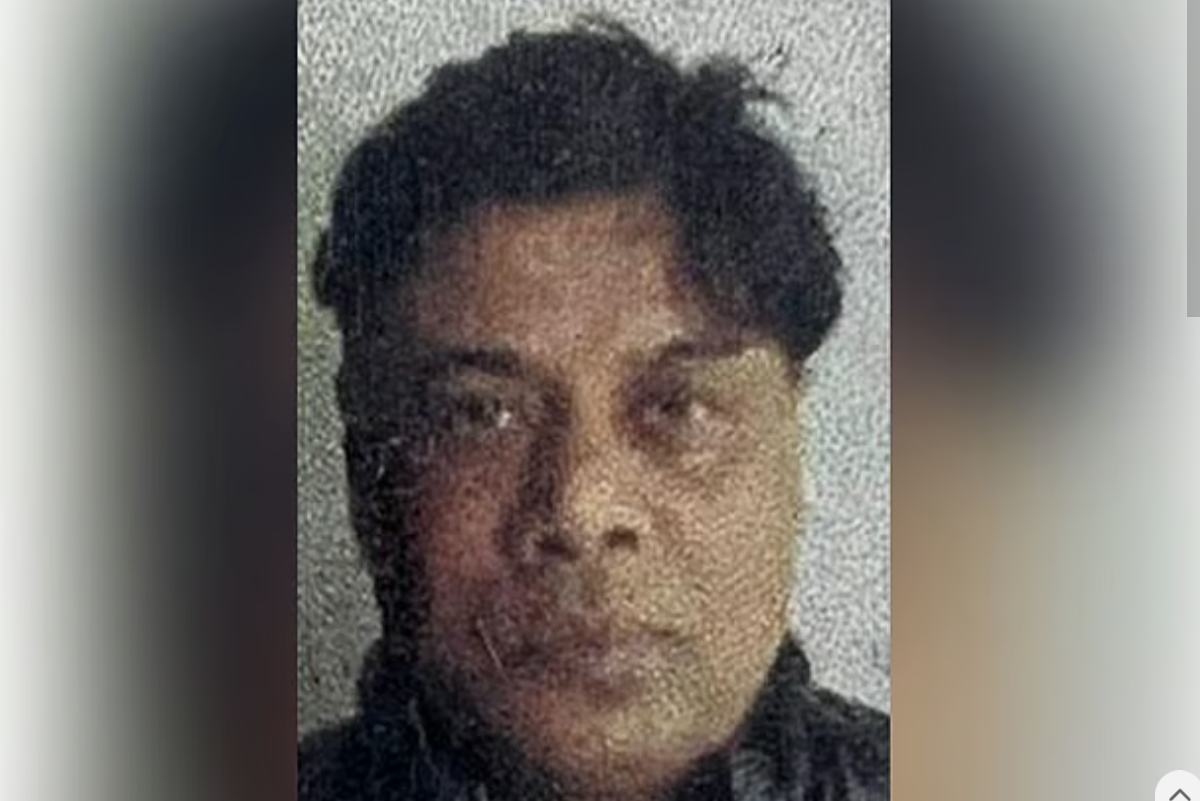
A well-known criminal figure, Khondokar Naeem Ahmed Titon, was shot dead in Dhaka’s New Market area, triggering renewed attention on the city’s underworld conflicts. Law enforcement agencies believe the killing may have stemmed from long-standing rivalries within Dhaka’s crime network.

Although no suspects have been officially identified yet, investigators are looking into the possible involvement of two notorious figures from Mohammadpur—Imamul Hasan, also known as Picchi Helal, and Sanzidul Islam Iman. Titon and these individuals reportedly grew up together in the same neighborhood during the 1990s, when several organized crime groups were active in the area.

Police sources indicate that Titon had disputes with both individuals. His conflict with Iman was allegedly linked to illegal arms dealings and territorial control, while tensions with Helal reportedly arose over leasing rights of a cattle market in Bosila. These disputes may have made him a target.

The victim’s brother filed a case but did not name any accused. However, he mentioned Helal and several associates as persons of interest, claiming there had been disagreements over control of the cattle market. He also expressed suspicion that Helal might be connected to the killing, despite reports of a recent reconciliation.

Titon was shot multiple times by attackers who arrived on a motorcycle. Witness accounts suggest one assailant fired the shots while another assisted, both wearing masks. After the attack, they fled the scene quickly.

The incident has brought Mohammadpur back into the spotlight as a hub of organized crime. Many of the individuals now under suspicion were once part of the same criminal group decades ago, which later split into rival factions due to internal conflicts.


Tag :

Please Share This Post in Your Social Media

Top Terrorist Titon and Two Suspected Killers Grew Up Together in Mohammadpur

Update Time : 08:23:02 am, Thursday, 30 April 2026

Top Criminal Titon Killed in Dhaka; Investigators Suspect Rivalry Behind Attack

A well-known criminal figure, Khondokar Naeem Ahmed Titon, was shot dead in Dhaka’s New Market area, triggering renewed attention on the city’s underworld conflicts. Law enforcement agencies believe the killing may have stemmed from long-standing rivalries within Dhaka’s crime network.

Although no suspects have been officially identified yet, investigators are looking into the possible involvement of two notorious figures from Mohammadpur—Imamul Hasan, also known as Picchi Helal, and Sanzidul Islam Iman. Titon and these individuals reportedly grew up together in the same neighborhood during the 1990s, when several organized crime groups were active in the area.

Police sources indicate that Titon had disputes with both individuals. His conflict with Iman was allegedly linked to illegal arms dealings and territorial control, while tensions with Helal reportedly arose over leasing rights of a cattle market in Bosila. These disputes may have made him a target.

The victim’s brother filed a case but did not name any accused. However, he mentioned Helal and several associates as persons of interest, claiming there had been disagreements over control of the cattle market. He also expressed suspicion that Helal might be connected to the killing, despite reports of a recent reconciliation.

Titon was shot multiple times by attackers who arrived on a motorcycle. Witness accounts suggest one assailant fired the shots while another assisted, both wearing masks. After the attack, they fled the scene quickly.

The incident has brought Mohammadpur back into the spotlight as a hub of organized crime. Many of the individuals now under suspicion were once part of the same criminal group decades ago, which later split into rival factions due to internal conflicts.