Dhaka 3:36 pm, Monday, 9 November 2026

Bangladesh Garment Workers’ Alliances Demand Tk 32,131 Minimum Monthly Wage

Reporter Name
  • Update Time : 07:47:03 am, Monday, 9 November 2026
  • / 21 Time View

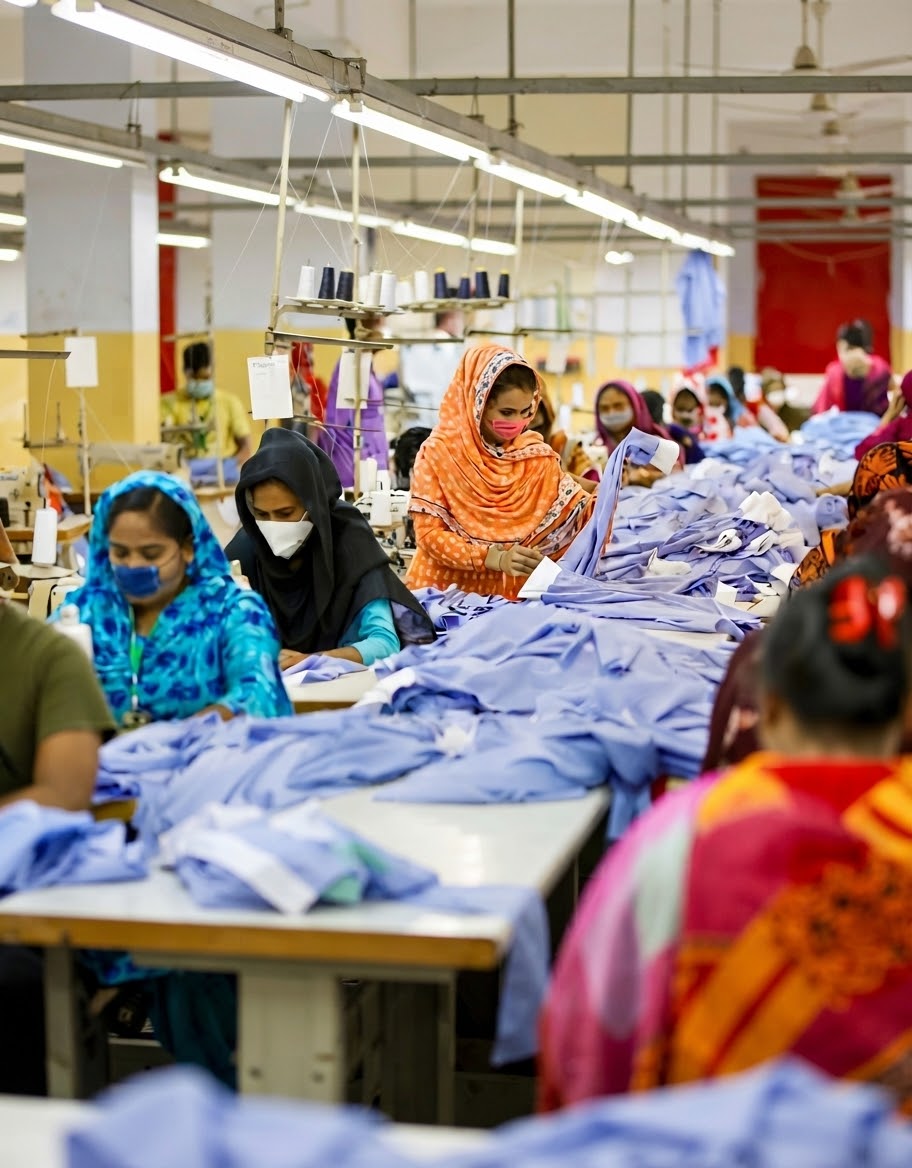
Five alliances of garment workers’ organisations have demanded a minimum monthly wage of Tk 32,131 for workers in Bangladesh’s readymade garment (RMG) sector as the Minimum Wage Board held its second meeting on Monday.

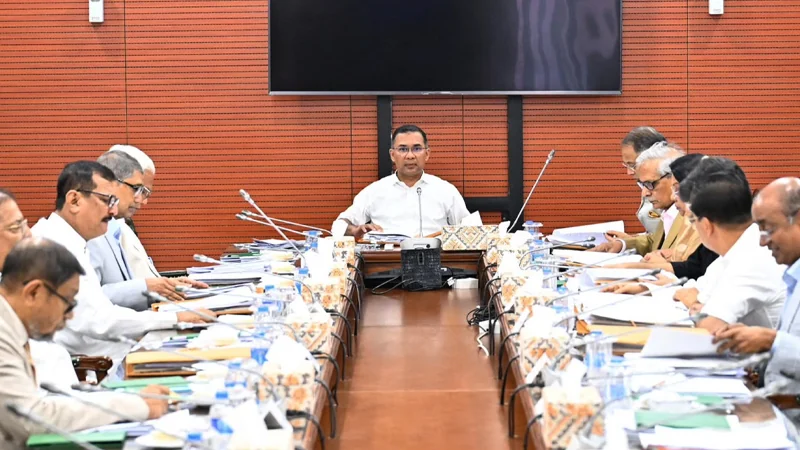
The meeting began at noon at the Minimum Wage Board office in Segunbagicha, Dhaka, with all board members in attendance.

Ahead of the meeting, the five alliances submitted a memorandum proposing a new wage structure that would set basic pay at 60 per cent of the total salary, housing allowance at 50 per cent and annual increments at 15 per cent.

The memorandum was submitted by five alliances representing 55 registered workers’ federations in the garment sector.

The organisations urged the board to consider 12 criteria, including workers’ cost of living, when determining the new wage structure. They also proposed reviewing the government pay scale, minimum wages across Asia and the wage structures of garment workers in Cambodia, Pakistan, India and Vietnam.

Worker representatives said the proposed wage structure should reflect the living standards and economic security of nearly four million garment workers, who form part of Bangladesh’s workforce of approximately 75 million.

They proposed setting basic pay at 60 per cent of total wages, following the structure introduced in 2006.

According to the representatives, a lower proportion of basic pay reduces workers’ overtime payments and service benefits upon leaving employment. They said workers who have spent many years in the industry are particularly affected financially when basic pay accounts for a smaller share of their total wages.

The alliances also proposed fixing housing allowance at 50 per cent of total wages. They called for a 15 per cent annual increment in line with rising food and nutritional costs, market prices and yearly inflation.

Worker representatives said eight additional proposals would be incorporated after Monday’s meeting, taking into account specific demands from employees in the dyeing and knitwear sectors.

They stressed that the new wage structure should balance workers’ living expenses with the garment industry’s capacity and its competitiveness in the international labour market.

Protest Outside Minimum Wage Board

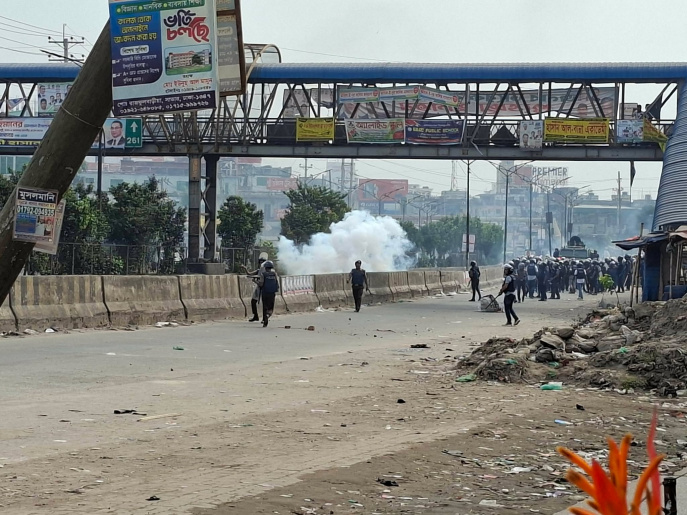
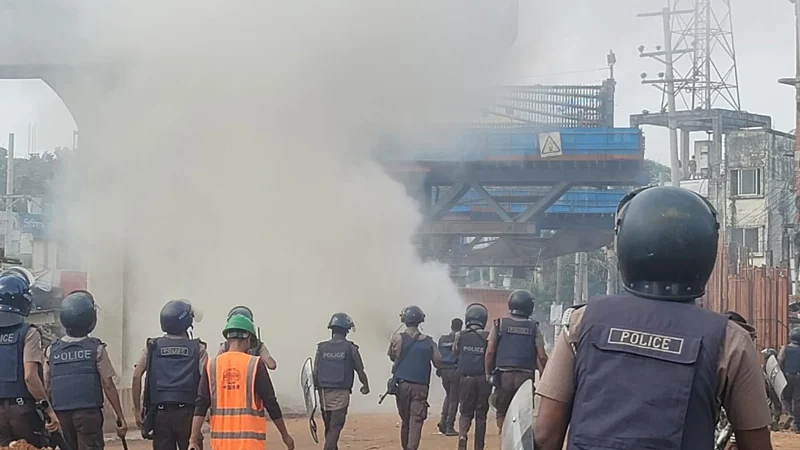
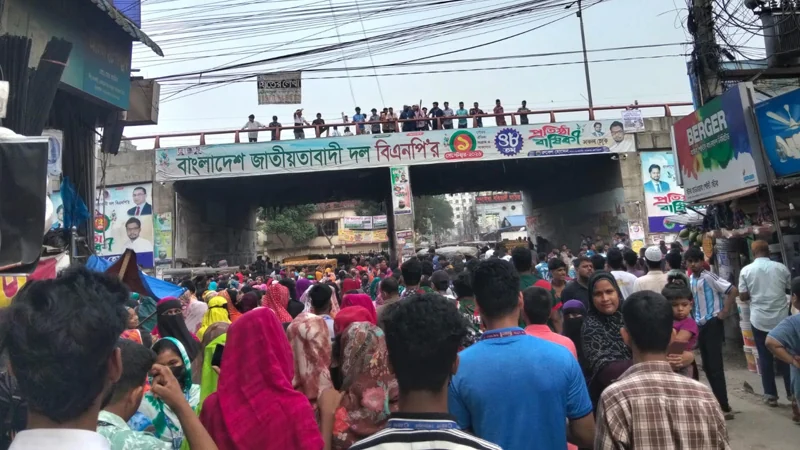
Meanwhile, members of the Garment Workers Front staged a demonstration on the road outside the Minimum Wage Board office, demanding a minimum monthly wage of Tk 37,000.
Tag :

Please Share This Post in Your Social Media

Bangladesh Garment Workers’ Alliances Demand Tk 32,131 Minimum Monthly Wage

Update Time : 07:47:03 am, Monday, 9 November 2026

Five alliances of garment workers’ organisations have demanded a minimum monthly wage of Tk 32,131 for workers in Bangladesh’s readymade garment (RMG) sector as the Minimum Wage Board held its second meeting on Monday.

The meeting began at noon at the Minimum Wage Board office in Segunbagicha, Dhaka, with all board members in attendance.

Ahead of the meeting, the five alliances submitted a memorandum proposing a new wage structure that would set basic pay at 60 per cent of the total salary, housing allowance at 50 per cent and annual increments at 15 per cent.

The memorandum was submitted by five alliances representing 55 registered workers’ federations in the garment sector.

The organisations urged the board to consider 12 criteria, including workers’ cost of living, when determining the new wage structure. They also proposed reviewing the government pay scale, minimum wages across Asia and the wage structures of garment workers in Cambodia, Pakistan, India and Vietnam.

Worker representatives said the proposed wage structure should reflect the living standards and economic security of nearly four million garment workers, who form part of Bangladesh’s workforce of approximately 75 million.

They proposed setting basic pay at 60 per cent of total wages, following the structure introduced in 2006.

According to the representatives, a lower proportion of basic pay reduces workers’ overtime payments and service benefits upon leaving employment. They said workers who have spent many years in the industry are particularly affected financially when basic pay accounts for a smaller share of their total wages.

The alliances also proposed fixing housing allowance at 50 per cent of total wages. They called for a 15 per cent annual increment in line with rising food and nutritional costs, market prices and yearly inflation.

Worker representatives said eight additional proposals would be incorporated after Monday’s meeting, taking into account specific demands from employees in the dyeing and knitwear sectors.

They stressed that the new wage structure should balance workers’ living expenses with the garment industry’s capacity and its competitiveness in the international labour market.

Protest Outside Minimum Wage Board

Meanwhile, members of the Garment Workers Front staged a demonstration on the road outside the Minimum Wage Board office, demanding a minimum monthly wage of Tk 37,000.