Dhaka 3:22 pm, Monday, 9 November 2026

Trump Could Take Desperate Steps to Restore His Image and Trigger an Unprecedented Crisis, Experts Warn

Reporter Name
  • Update Time : 07:53:32 am, Monday, 9 November 2026
  • / 12 Time View

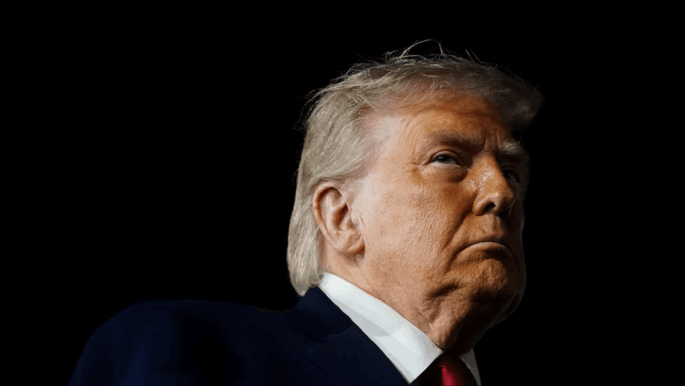
US President Donald Trump has so far responded relatively calmly to his Republican Party’s major defeat in the midterm elections. But experts warn that his reaction could change as he struggles to deal with the political setback and what he may perceive as a personal humiliation.

Dr Bandy X. Lee, a forensic psychiatrist and expert on violence, argues that Trump could take extreme measures in an attempt to restore his image, potentially putting the world at risk. She has spoken about concerns surrounding Trump since his first election victory in 2016 and edited the New York Times bestseller The Dangerous Case of Donald Trump.

In April, Lee joined 36 prominent US mental health professionals in issuing a statement expressing concern over what they described as Trump’s increasingly abnormal behaviour and calling for his removal from office.

Lee draws a comparison with abusive relationships, in which the period when a victim attempts to leave an abusive partner can be particularly dangerous. She argues that the United States has now taken its first major step away from Trump’s political direction through the midterm elections, raising concerns about possible retaliation.

According to Lee, Trump may view the election outcome as evidence that the world has failed him or branded him a loser. She believes that, without appropriate checks, his response could become increasingly unpredictable.

Robert Pape, a professor of political science at the University of Chicago and an expert on international security, has also warned of a dangerous period ahead.

Speaking on the Diary of a CEO podcast, Pape said the United States was approaching what he described as the most dangerous eight weeks of their lives before thousands of newly elected Democratic politicians are sworn into office in January.

He argued that the midterm results had effectively determined the fate of the Trump administration and that the transition period could be particularly volatile.

“We have seen January 6. So what could happen during this transition period could easily connect to the Iran war, because President Trump has repeatedly promised that he would escalate the conflict after the election. And now we are in the post-election period,” Pape said.

In his first live television interview following the election defeat, Trump did not address the results. Instead, he spent around 20 minutes showing journalists a construction site where a large ballroom and event venue is being built on the site of what was once part of the White House’s East Wing.

Trump described the planned venue as the safest place in Washington and signed his name beside the word “Love!” on a structural steel beam.

Lee interpreted the episode as a possible indication that Trump was struggling to confront the election outcome and his image as a defeated leader.

“Perhaps he is finding comfort in this ballroom. He is talking about safety and love there,” she said.

Lee also offered a psychological interpretation of Trump’s behaviour, suggesting that his desire for affection and approval could be connected to experiences in his childhood. She argued that unresolved anger could be directed towards the wider world.

In an interview with The Independent, Lee said she had been concerned about Trump’s authority to order the use of nuclear weapons since he first took office in January 2017.

She claimed that Trump has an excessive fascination with nuclear weapons and may not fully appreciate the consequences of using them.

“He sees them simply as bigger bombs. But there is no scenario in which the use of nuclear weapons would not have devastating consequences for the way of life we know,” Lee said.

She warned that Trump could consider using nuclear weapons amid frustration over the outcome of the Iran conflict and efforts to protect his political image.

Lee argued that the current period offers a limited opportunity to impose safeguards and constraints on Trump. She suggested that those around him should maintain restrictions until his objectives become more realistic, while offering him smaller achievements that could provide a sense of satisfaction.

She also said that praise and flattery play a significant role in Trump’s interactions with people around him, making aides cautious about challenging him.

One example cited in the report is Trump’s repeated claim that he scored 30 out of 30 on the Montreal Cognitive Assessment (MoCA). The test is designed to screen for cognitive impairment, but Lee suggested that those around him may use such assessments and praise to reassure him.

Lee believes Trump may find the election defeat difficult to accept and could construct an image of invincibility to shield himself from that reality. She said this could lead him to reject facts and eventually believe claims that are not supported by evidence.

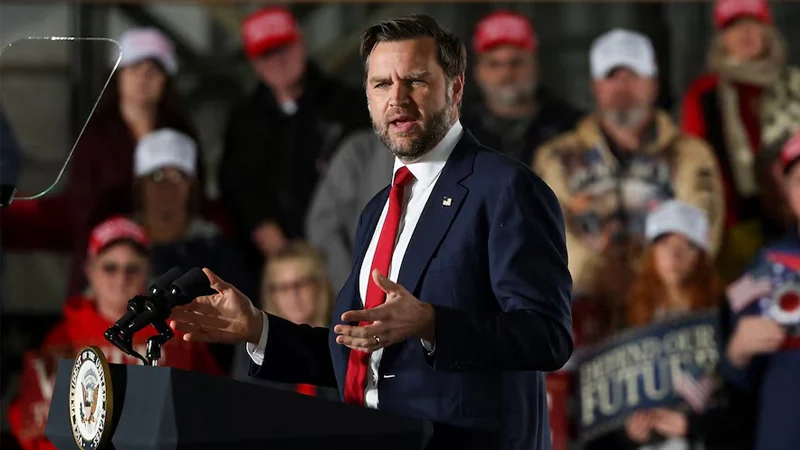
Trump was reportedly in the White House East Room when the election results became clear, alongside Vice President JD Vance, Secretary of State Marco Rubio and other senior officials. Reports said he complained that his advisers had given him inaccurate electoral projections.

Lee suggested that advisers who had previously told Trump what he wanted to hear might remain in his favour for now. However, she warned that tensions could emerge if they eventually stop providing the same reassurance.

Meanwhile, Democrats made significant gains in the midterm elections, winning both chambers of Congress and several state-level contests. The party also secured victories in traditionally Republican strongholds, including Kansas and South Carolina, according to the report.

The results have raised questions about how Trump will respond to the political setback and whether the defeat could further harden his position.

Lee said the period between a weakening of Trump’s defensive posture and a possible return to more aggressive behaviour could be extremely short.

She pointed particularly to the Middle East as a potential flashpoint.

Lee argued that Iran’s underground missile facilities could become a target. She claimed that Trump might consider a nuclear strike against such facilities under the pretext of preventing Iran from developing nuclear weapons, even though, according to the report, Iran’s uranium enrichment had not yet reached weapons-grade levels.

Other public figures have also expressed concern about the possibility of a nuclear escalation.

Conservative television commentator Tucker Carlson, who publicly disagreed with Trump over Iran earlier this year, claimed last week that sources within the Trump administration had told him the United States could launch a nuclear strike within days.

Carlson suggested that Pickaxe Mountain in Iran could be a potential target, as the site is believed to house part of the country’s uranium enrichment programme. His claim has not been independently established in the report.

British nuclear expert Patricia Lewis told The Independent that the consequences of a nuclear strike would be catastrophic.

“People close to the impact zone would be vaporised immediately. Those beyond the immediate blast area would face devastating explosions and fires, as well as widespread radiation exposure,” she said.

Lewis added that many people could die from radiation-related illnesses in the weeks following such an attack.

The situation has also raised questions about the future choices of Trump’s closest advisers: whether they will remain loyal to a politically weakened president or distance themselves from him.

Stephen Miller, one of the architects of Trump’s hardline immigration policies, is set to replace Susie Wiles as White House chief of staff. The development has been viewed by some as a significant indication that Trump may be moving towards a more hardline political approach rather than reconsidering his agenda after the election defeat.

Lee’s proposed approach involves keeping Trump occupied and maintaining checks on his authority. She believes responsible figures within the White House could help prevent escalation by offering reassurance, recognising smaller achievements and finding ways to keep him engaged.

However, Miller’s expected appointment has raised further questions about the direction of the administration during its remaining time in office. Critics fear that Trump’s policies could become more restrictive and that his most hardline supporters may receive greater influence and rewards.
Tag :

Please Share This Post in Your Social Media

Trump Could Take Desperate Steps to Restore His Image and Trigger an Unprecedented Crisis, Experts Warn

Update Time : 07:53:32 am, Monday, 9 November 2026

US President Donald Trump has so far responded relatively calmly to his Republican Party’s major defeat in the midterm elections. But experts warn that his reaction could change as he struggles to deal with the political setback and what he may perceive as a personal humiliation.

Dr Bandy X. Lee, a forensic psychiatrist and expert on violence, argues that Trump could take extreme measures in an attempt to restore his image, potentially putting the world at risk. She has spoken about concerns surrounding Trump since his first election victory in 2016 and edited the New York Times bestseller The Dangerous Case of Donald Trump.

In April, Lee joined 36 prominent US mental health professionals in issuing a statement expressing concern over what they described as Trump’s increasingly abnormal behaviour and calling for his removal from office.

Lee draws a comparison with abusive relationships, in which the period when a victim attempts to leave an abusive partner can be particularly dangerous. She argues that the United States has now taken its first major step away from Trump’s political direction through the midterm elections, raising concerns about possible retaliation.

According to Lee, Trump may view the election outcome as evidence that the world has failed him or branded him a loser. She believes that, without appropriate checks, his response could become increasingly unpredictable.

Robert Pape, a professor of political science at the University of Chicago and an expert on international security, has also warned of a dangerous period ahead.

Speaking on the Diary of a CEO podcast, Pape said the United States was approaching what he described as the most dangerous eight weeks of their lives before thousands of newly elected Democratic politicians are sworn into office in January.

He argued that the midterm results had effectively determined the fate of the Trump administration and that the transition period could be particularly volatile.

“We have seen January 6. So what could happen during this transition period could easily connect to the Iran war, because President Trump has repeatedly promised that he would escalate the conflict after the election. And now we are in the post-election period,” Pape said.

In his first live television interview following the election defeat, Trump did not address the results. Instead, he spent around 20 minutes showing journalists a construction site where a large ballroom and event venue is being built on the site of what was once part of the White House’s East Wing.

Trump described the planned venue as the safest place in Washington and signed his name beside the word “Love!” on a structural steel beam.

Lee interpreted the episode as a possible indication that Trump was struggling to confront the election outcome and his image as a defeated leader.

“Perhaps he is finding comfort in this ballroom. He is talking about safety and love there,” she said.

Lee also offered a psychological interpretation of Trump’s behaviour, suggesting that his desire for affection and approval could be connected to experiences in his childhood. She argued that unresolved anger could be directed towards the wider world.

In an interview with The Independent, Lee said she had been concerned about Trump’s authority to order the use of nuclear weapons since he first took office in January 2017.

She claimed that Trump has an excessive fascination with nuclear weapons and may not fully appreciate the consequences of using them.

“He sees them simply as bigger bombs. But there is no scenario in which the use of nuclear weapons would not have devastating consequences for the way of life we know,” Lee said.

She warned that Trump could consider using nuclear weapons amid frustration over the outcome of the Iran conflict and efforts to protect his political image.

Lee argued that the current period offers a limited opportunity to impose safeguards and constraints on Trump. She suggested that those around him should maintain restrictions until his objectives become more realistic, while offering him smaller achievements that could provide a sense of satisfaction.

She also said that praise and flattery play a significant role in Trump’s interactions with people around him, making aides cautious about challenging him.

One example cited in the report is Trump’s repeated claim that he scored 30 out of 30 on the Montreal Cognitive Assessment (MoCA). The test is designed to screen for cognitive impairment, but Lee suggested that those around him may use such assessments and praise to reassure him.

Lee believes Trump may find the election defeat difficult to accept and could construct an image of invincibility to shield himself from that reality. She said this could lead him to reject facts and eventually believe claims that are not supported by evidence.

Trump was reportedly in the White House East Room when the election results became clear, alongside Vice President JD Vance, Secretary of State Marco Rubio and other senior officials. Reports said he complained that his advisers had given him inaccurate electoral projections.

Lee suggested that advisers who had previously told Trump what he wanted to hear might remain in his favour for now. However, she warned that tensions could emerge if they eventually stop providing the same reassurance.

Meanwhile, Democrats made significant gains in the midterm elections, winning both chambers of Congress and several state-level contests. The party also secured victories in traditionally Republican strongholds, including Kansas and South Carolina, according to the report.

The results have raised questions about how Trump will respond to the political setback and whether the defeat could further harden his position.

Lee said the period between a weakening of Trump’s defensive posture and a possible return to more aggressive behaviour could be extremely short.

She pointed particularly to the Middle East as a potential flashpoint.

Lee argued that Iran’s underground missile facilities could become a target. She claimed that Trump might consider a nuclear strike against such facilities under the pretext of preventing Iran from developing nuclear weapons, even though, according to the report, Iran’s uranium enrichment had not yet reached weapons-grade levels.

Other public figures have also expressed concern about the possibility of a nuclear escalation.

Conservative television commentator Tucker Carlson, who publicly disagreed with Trump over Iran earlier this year, claimed last week that sources within the Trump administration had told him the United States could launch a nuclear strike within days.

Carlson suggested that Pickaxe Mountain in Iran could be a potential target, as the site is believed to house part of the country’s uranium enrichment programme. His claim has not been independently established in the report.

British nuclear expert Patricia Lewis told The Independent that the consequences of a nuclear strike would be catastrophic.

“People close to the impact zone would be vaporised immediately. Those beyond the immediate blast area would face devastating explosions and fires, as well as widespread radiation exposure,” she said.

Lewis added that many people could die from radiation-related illnesses in the weeks following such an attack.

The situation has also raised questions about the future choices of Trump’s closest advisers: whether they will remain loyal to a politically weakened president or distance themselves from him.

Stephen Miller, one of the architects of Trump’s hardline immigration policies, is set to replace Susie Wiles as White House chief of staff. The development has been viewed by some as a significant indication that Trump may be moving towards a more hardline political approach rather than reconsidering his agenda after the election defeat.

Lee’s proposed approach involves keeping Trump occupied and maintaining checks on his authority. She believes responsible figures within the White House could help prevent escalation by offering reassurance, recognising smaller achievements and finding ways to keep him engaged.

However, Miller’s expected appointment has raised further questions about the direction of the administration during its remaining time in office. Critics fear that Trump’s policies could become more restrictive and that his most hardline supporters may receive greater influence and rewards.