Dhaka’s Air Quality Remains Hazardous Today

- Update Time : 08:16:05 am, Monday, 13 January 2025
- / 464 Time View


Dhaka, the capital of Bangladesh, ranked as the second most polluted city in the world today, according to IQAir’s Air Quality Index (AQI). At 8:52 a.m., Dhaka recorded an AQI score of 252, classified as “very unhealthy.” Mongolia’s capital, Ulaanbaatar, ranked first with a score of 255, while Hanoi in Vietnam came third with 244, followed by Karachi, Pakistan, at 215.
The AQI provides daily updates on air quality, indicating the level of cleanliness or pollution in the air and potential health risks. Environmental experts note that if an area’s AQI remains above 300 for over three consecutive days, a public health emergency should be declared.
AQI calculations are based on five pollutants: particulate matter (PM10 and PM2.5), nitrogen dioxide (NO2), carbon monoxide (CO), sulfur dioxide (SO2), and ozone (O3). Air is considered “good” if PM2.5 levels remain between 0 and 50. Levels between 51-100 are “moderate,” 101-150 are “unhealthy for sensitive groups,” 151-200 are “unhealthy,” 201-300 are “very unhealthy,” and 301-500 are “hazardous.”
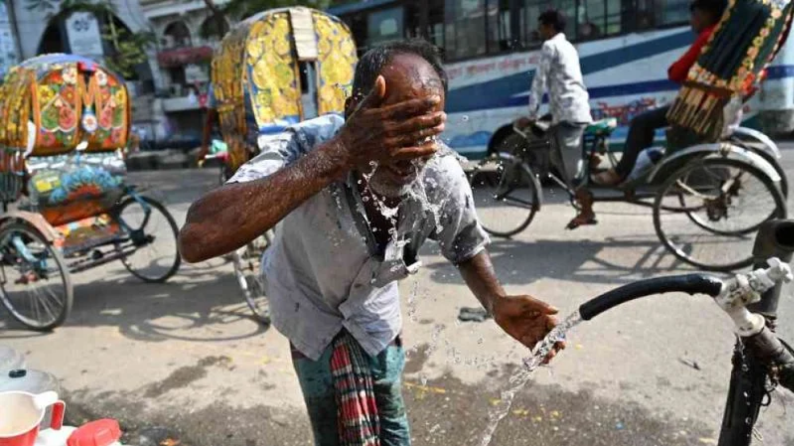
Air pollution poses significant health risks, affecting people of all ages, especially children, the elderly, pregnant women, and individuals with pre-existing health conditions. Dhaka has been grappling with severe air pollution for years, with air quality deteriorating in winter and slightly improving during the monsoon.
A 2019 report by the Department of Environment and the World Bank identified three major sources of air pollution in Dhaka: brick kilns, vehicle emissions, and construction site dust. According to the World Health Organization (WHO), air pollution contributes to increased mortality rates from stroke, heart disease, chronic obstructive pulmonary disease, lung cancer, and acute respiratory infections, claiming approximately 7 million lives annually worldwide.