Natural Disaster or Human-Caused Crisis? Questions on LA Wildfires

- Update Time : 01:08:08 pm, Friday, 17 January 2025
- / 477 Time View
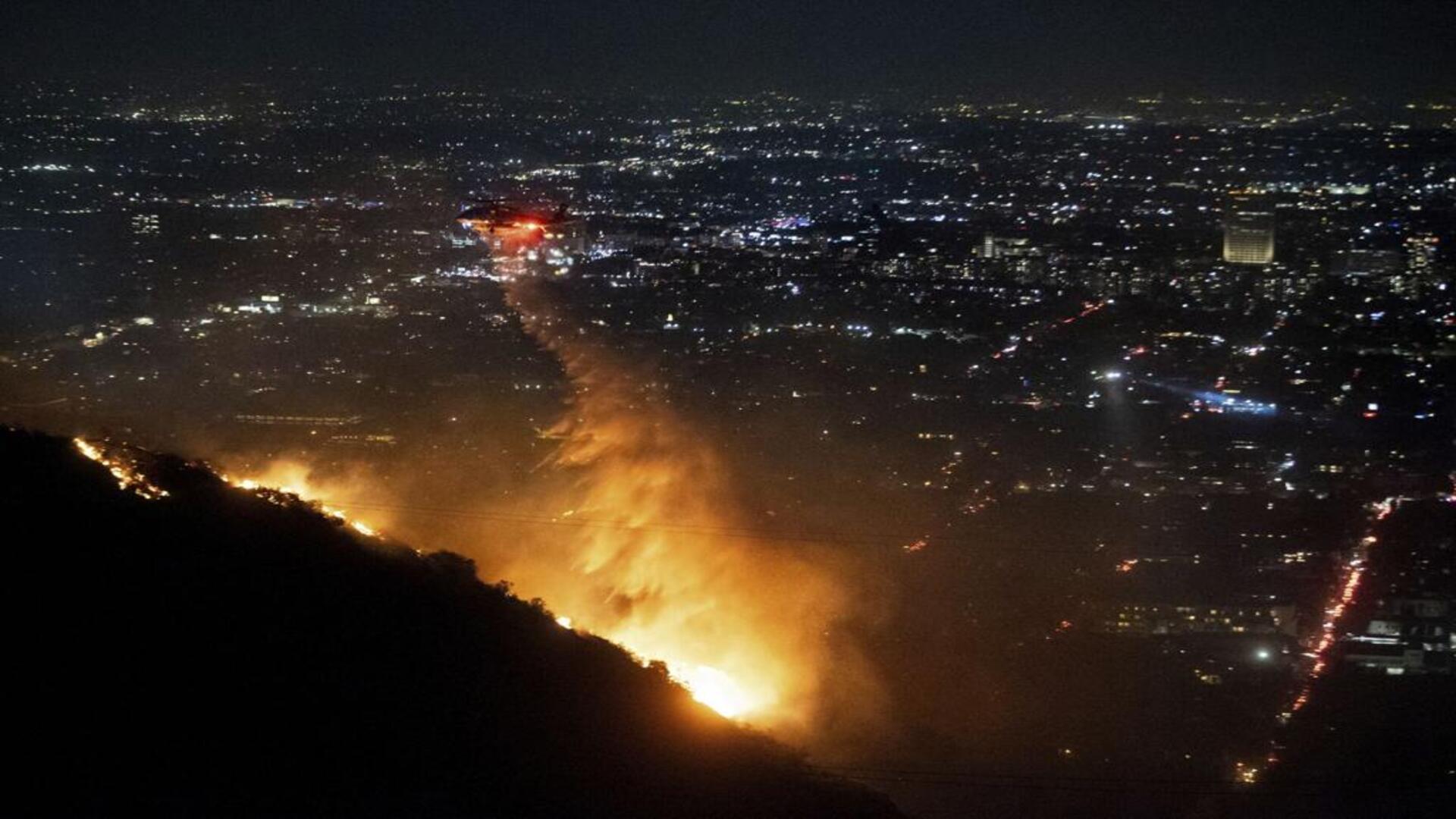

Wildfires, regardless of their scale, are considered natural disasters. However, recent findings suggest that human-induced environmental pollution has exacerbated the intensity of the devastating wildfires in Los Angeles, which have reduced thousands of homes to ashes. Scientists at the University of California, Los Angeles, discovered that while wildfires could occur even in the absence of pollution, environmental degradation has significantly amplified their severity. The Los Angeles wildfires spread rapidly due to strong winds and an abundance of dry vegetation in the area, with 25% of this flammable material being linked to ecological disruptions caused by pollution.
The fires, which began on January 7, ignited at least 12 locations across Los Angeles. Driven by the unexpected Santa Ana winds sweeping through drought-stricken areas of Southern California, the blaze expanded rapidly, consuming over 24,000 acres and destroying nearly 12,000 structures. This catastrophe is considered one of the most destructive wildfires in Southern California’s history.
In recent years, Southern California has experienced unusually high winter humidity, leading to excessive grass growth in lowland areas. Subsequent summers and autumns were excessively dry and hot, compounded by prolonged droughts due to delayed rainfall. As a result, the lush winter vegetation dried into kindling, creating a fuel bed for wildfires. When wildfire season arrived, these conditions caused the fires to spiral out of control.
This pattern of extreme weather—wet seasons followed by intense drought—has become increasingly common worldwide, driven by global warming and pollution from fossil fuel consumption. Such volatile conditions not only intensify wildfires but also lead to flash floods after sudden heavy rains. While the dry vegetation and Santa Ana winds were major contributors to the Los Angeles wildfires, the underlying cause remains rooted in climate change and pollution.
Scientists warn that as global temperatures rise due to pollution, the frequency and intensity of wildfires will only increase. Mitigating this requires global cooperation to reduce pollution—a task far easier said than done. In the meantime, measures such as avoiding residential development in fire-prone areas and designing fire-resistant infrastructure can help minimize losses from future wildfires.