Costly solar streetlights stop working within 3.5 years

- Update Time : 05:01:59 am, Sunday, 7 September 2025
- / 710 Time View

Most Solar Streetlights in Cox’s Bazar Municipality Now Out of Service
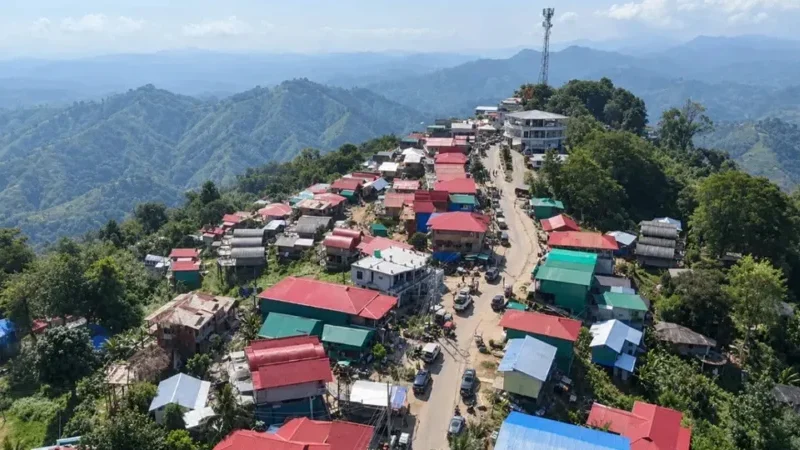
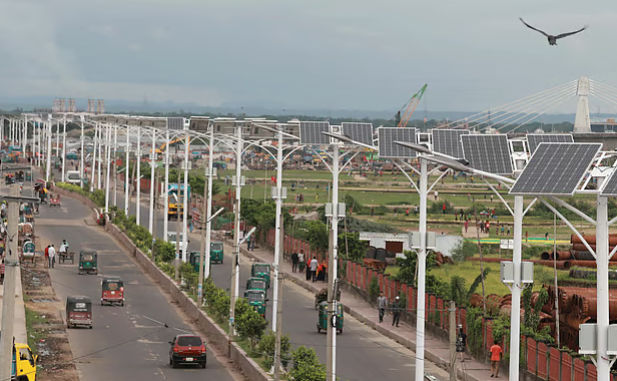
Around 150 solar-powered streetlights were set up across 12 wards of Cox’s Bazar town three and a half years ago to improve safety and lighting. But today, almost all of them are non-functional.
Only a year after installation, 32 panels had already broken down. As of recent site visits, about 140 of the units are no longer working due to lack of upkeep.
The project, costing nearly Tk 19 million and financed by the Bangladesh Climate Change Trust Fund (BCCTF), was carried out by a Dhaka-based contractor. The panels were installed near mosques, temples, cemeteries, cremation grounds, and public spaces. But they now lie in disrepair, leaving many areas in darkness.
Municipal officials admit they cannot repair the systems without fresh funding. “Most of the damaged units have torn wires or broken bulbs,” said municipal CEO Mehedi Morshed. “If money is allocated, repairs will be made.”
Local Hardship
Residents say the broken lights have created serious safety concerns. At Samitipara Jame Mosque in Ward 1, a panel installed at the entrance has been unusable for more than two years. Worshippers still walk in the dark despite the initial promise of safety.
Nearby, a light beside a wooden bridge has been out of order for over 18 months. “Women and children are afraid to cross here at night,” said local fisherman Sabbir Ahmed.
Ward 1, home to about 70,000 mostly working-class people—90 percent of whom are climate refugees—had eight panels installed. Within a year, half had failed, and soon after, none remained functional.
In Ward 8, eight units were allocated but were never properly set up. Instead, some were shifted to the Mahashmashan cremation ground in Ward 3, where only two lights still work.
Broader Failures
Across the town—in neighborhoods like Pahartali, Anderson Road, Rumaliarchhara, and Taraboniarchhara—most of the 142 additional lights are also non-functional. Storms, dust buildup, and poor maintenance have left them broken, tilted, or collapsed.
Each panel, fitted with a 165-watt solar unit and a 60-watt bulb, cost around Tk 117,000. But after the contractor’s one-year maintenance period ended, there was no system in place to ensure repairs.
Municipal engineer Rumel Barua explained that the lights were installed according to lists provided by local ward councilors, covering religious institutions, schools, and burial grounds. But with funds exhausted and no maintenance program, the town has been left with expensive but useless equipment.