Dhaka 5:15 pm, Friday, 3 July 2026

Criticism arises over large entourage on Chief Adviser’s trip

Niloy Mridha
  • Update Time : 06:26:40 pm, Thursday, 25 September 2025
  • / 361 Time View

Large delegation with Chief Adviser’s UN trip sparks debate


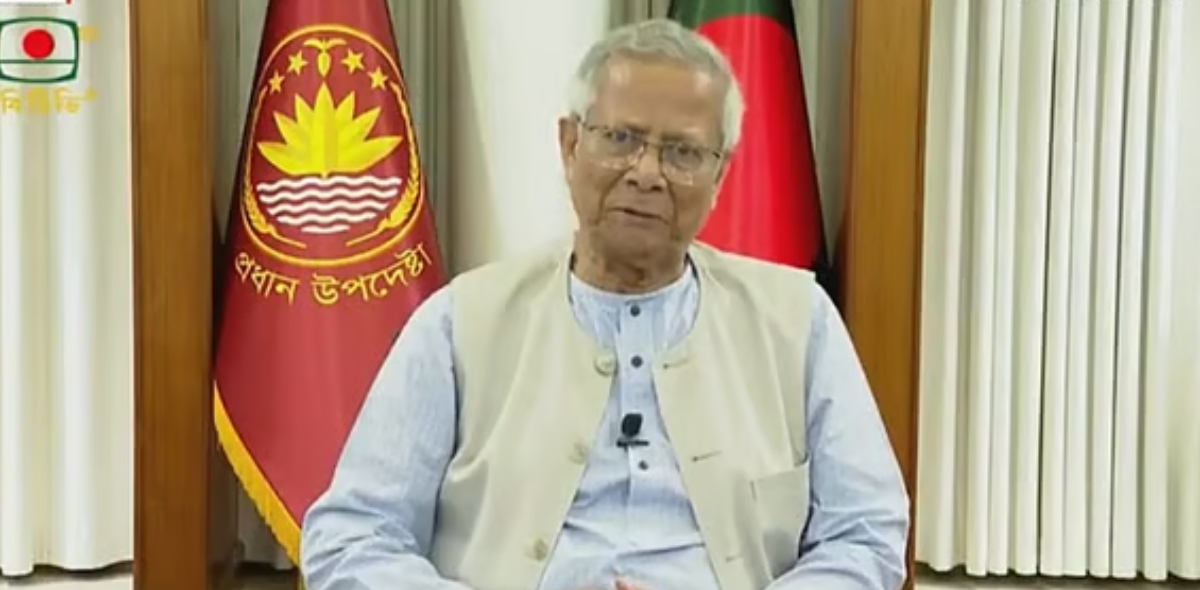
Chief Adviser Professor Muhammad Yunus is currently in New York to attend the 80th session of the United Nations General Assembly. Questions have emerged over the unusually large size of his entourage.

According to the official booklet prepared for the visit, the Chief Adviser is accompanied by 62 people, including security personnel and officials. However, government documents show the number to be 104. Among them are not only advisers and officials but also six political leaders from three parties.

The political leaders include BNP Secretary General Mirza Fakhrul Islam Alamgir and BNP’s acting chairman’s foreign affairs adviser Humayun Kabir, Jamaat-e-Islami’s Nayeb-e-Ameer Syed Abdullah Mohammad Taher and member Mohammad Nakibur Rahman (joining from the US), as well as Akhtar Hossain and Tasnim Jara from the National Citizen Party (NCP).

Observers note that in the past, ruling party leaders and businessmen often joined such trips under political governments. This time, the interim government has included opposition political leaders, raising questions about whether it is following the same old pattern.

Diplomatic sources explained that only a few members of the delegation usually gain access to the UNGA hall when Bangladesh’s head of government delivers the official speech.

Officials from the Ministry of Foreign Affairs pointed out that delegations in previous political administrations were often much larger—ranging from 150 to 200. For example, in 2014 Sheikh Hasina traveled with 180 delegates, and in 2019 with as many as 292. By contrast, during the 2007–08 caretaker government, entourages were considerably smaller.

In 2024, Professor Yunus traveled with 57 delegates, according to the official booklet, though government records listed more than 80. This year, the discrepancy continues—62 listed in the booklet versus 104 in government records. The Ministry of Foreign Affairs produces both the booklet (covering program, travel, lodging, and immediate companions) and the broader official list (including staff who may join at different stages).


For the current trip, the official documents show 19 security officers and 47 other government officials included in the delegation. Alongside them are four advisers—Asif Nazrul, Md. Touhid Hossain, Muhammad Faozul Kabir Khan, and Adilur Rahman Khan—along with special envoy Lutfe Siddiqi, national security adviser Khalilur Rahman, and BIDA chairman Chowdhury Ashiq Mahmud Bin Harun, who holds ministerial rank.


Critics argue that despite being an interim administration, the government is continuing the tradition of sending large groups abroad, raising questions about cost, necessity, and political intent.
Tag :

Please Share This Post in Your Social Media

Criticism arises over large entourage on Chief Adviser’s trip

Update Time : 06:26:40 pm, Thursday, 25 September 2025

Large delegation with Chief Adviser’s UN trip sparks debate


Chief Adviser Professor Muhammad Yunus is currently in New York to attend the 80th session of the United Nations General Assembly. Questions have emerged over the unusually large size of his entourage.

According to the official booklet prepared for the visit, the Chief Adviser is accompanied by 62 people, including security personnel and officials. However, government documents show the number to be 104. Among them are not only advisers and officials but also six political leaders from three parties.

The political leaders include BNP Secretary General Mirza Fakhrul Islam Alamgir and BNP’s acting chairman’s foreign affairs adviser Humayun Kabir, Jamaat-e-Islami’s Nayeb-e-Ameer Syed Abdullah Mohammad Taher and member Mohammad Nakibur Rahman (joining from the US), as well as Akhtar Hossain and Tasnim Jara from the National Citizen Party (NCP).

Observers note that in the past, ruling party leaders and businessmen often joined such trips under political governments. This time, the interim government has included opposition political leaders, raising questions about whether it is following the same old pattern.

Diplomatic sources explained that only a few members of the delegation usually gain access to the UNGA hall when Bangladesh’s head of government delivers the official speech.

Officials from the Ministry of Foreign Affairs pointed out that delegations in previous political administrations were often much larger—ranging from 150 to 200. For example, in 2014 Sheikh Hasina traveled with 180 delegates, and in 2019 with as many as 292. By contrast, during the 2007–08 caretaker government, entourages were considerably smaller.

In 2024, Professor Yunus traveled with 57 delegates, according to the official booklet, though government records listed more than 80. This year, the discrepancy continues—62 listed in the booklet versus 104 in government records. The Ministry of Foreign Affairs produces both the booklet (covering program, travel, lodging, and immediate companions) and the broader official list (including staff who may join at different stages).


For the current trip, the official documents show 19 security officers and 47 other government officials included in the delegation. Alongside them are four advisers—Asif Nazrul, Md. Touhid Hossain, Muhammad Faozul Kabir Khan, and Adilur Rahman Khan—along with special envoy Lutfe Siddiqi, national security adviser Khalilur Rahman, and BIDA chairman Chowdhury Ashiq Mahmud Bin Harun, who holds ministerial rank.


Critics argue that despite being an interim administration, the government is continuing the tradition of sending large groups abroad, raising questions about cost, necessity, and political intent.