Dhaka 12:50 am, Sunday, 3 May 2026

A year has passed in anticipation of an election

Staff Correspondent:
  • Update Time : 03:09:05 pm, Wednesday, 31 December 2025
  • / 257 Time View

From the very beginning of 2025, the central question in Bangladesh’s post-uprising politics was simple yet decisive: when would the election be held? The answer came only in the final month of the year, when the polling date was finally announced. The first half of the year passed amid debates over reforms and the implementation of the July Charter. Eventually, the decision was made to approve the charter through a referendum, to be held alongside the national election. With both the reform roadmap and election date settled, the political calendar finally took shape.

Another major topic throughout the year was the possible return of BNP Acting Chairman Tarique Rahman. After months of speculation, he returned to the country on December 25, ending years of uncertainty. Yet all political developments were ultimately overshadowed by the passing of BNP Chairperson and former Prime Minister Khaleda Zia at the very end of the year. Her death marked the close of a remarkable chapter—one that began with a housewife stepping into politics and evolved into a life of resilience, leadership, and national prominence.

Early in the year, public curiosity also focused on the political future of the young leaders who had driven the mass uprising. That question was partly answered in February with the formation of the National Citizen Party (NCP). However, just one day after the election schedule was announced on December 11, violence shook the political scene. Sharif Osman Hadi, a prospective independent candidate from Dhaka-8 and convener of Inqilab Mancha, was shot and later died in Singapore on December 18. His killing sparked protests and ongoing demands for justice.

Politics in 2025 was not confined to negotiation tables. Political parties frequently took to the streets, holding rallies and demonstrations demanding elections and reforms while also signaling their organizational strength. Beyond the BNP, Islamist parties such as Jamaat-e-Islami and Islami Andolon Bangladesh staged large gatherings in Dhaka, hinting at renewed preparations for the coming election.

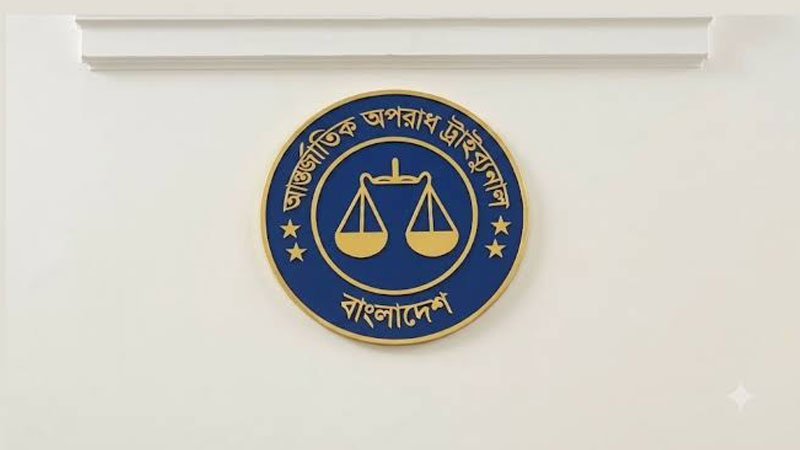
Following the July uprising, former Prime Minister Sheikh Hasina and her Home Minister Asaduzzaman Khan were sentenced to death by the International Crimes Tribunal on November 17 for crimes against humanity. With the Awami League banned from political activity, it lost the opportunity to contest the election. Sporadic attempts by the party to mobilize supporters were accompanied by allegations of violence and bomb explosions, further heightening tensions.

Overall, 2025 emerged as a transitional year for Bangladesh’s politics—marked by fatigue with old political patterns, hopes for new alternatives, fears of violence, and strong demands for reform. Among all developments, the announcement of the February 12 election stood out as the most significant, as it is expected to determine the country’s political direction and future stability.

Reform became a defining theme after the fall of Sheikh Hasina’s government. The interim administration prioritized structural change, forming multiple reform commissions and later a National Consensus Commission in February. After months of dialogue with 30 political parties, the July National Charter was finalized and signed on October 17. Despite disagreements over how to implement its recommendations, the government decided to seek public approval through a referendum to be held on election day. The process demonstrated that, alongside confrontation, dialogue still had a place in politics.

The launch of the National Citizen Party in February added a new dimension to the political landscape, bringing youth leaders and civic activists directly into electoral politics. While some viewed the party as a symbol of hope and renewal, others saw it as an experiment facing internal divisions—especially after its decision to align with Jamaat-e-Islami. Whether the new party can leave a lasting impression will become clear only after the election.

The year also saw renewed political tension following the murder of Sharif Osman Hadi, a prominent and controversial figure since the uprising. His death triggered widespread protests, attacks on media offices, and sustained blockades led by Inqilab Mancha, which continues to demand the arrest and trial of those responsible.

Tarique Rahman’s return after 17 years in exile became another defining moment. His arrival drew massive crowds and renewed energy among BNP supporters. Widely portrayed as a potential future prime minister, his comeback signaled a reshaping of political equations ahead of the election.

Finally, the year closed with national mourning over the death of Khaleda Zia. After years of illness, imprisonment, and political pressure, she passed away on December 30. The government declared state mourning, and the country witnessed an outpouring of grief. Analysts note that although Ziaur Rahman founded the BNP, it was Khaleda Zia who gave the party its mass appeal and enduring strength. Her death has left a profound void in Bangladesh’s political landscape—particularly at a moment of deep uncertainty and transition.

Tag :

Please Share This Post in Your Social Media

A year has passed in anticipation of an election

Update Time : 03:09:05 pm, Wednesday, 31 December 2025

From the very beginning of 2025, the central question in Bangladesh’s post-uprising politics was simple yet decisive: when would the election be held? The answer came only in the final month of the year, when the polling date was finally announced. The first half of the year passed amid debates over reforms and the implementation of the July Charter. Eventually, the decision was made to approve the charter through a referendum, to be held alongside the national election. With both the reform roadmap and election date settled, the political calendar finally took shape.

Another major topic throughout the year was the possible return of BNP Acting Chairman Tarique Rahman. After months of speculation, he returned to the country on December 25, ending years of uncertainty. Yet all political developments were ultimately overshadowed by the passing of BNP Chairperson and former Prime Minister Khaleda Zia at the very end of the year. Her death marked the close of a remarkable chapter—one that began with a housewife stepping into politics and evolved into a life of resilience, leadership, and national prominence.

Early in the year, public curiosity also focused on the political future of the young leaders who had driven the mass uprising. That question was partly answered in February with the formation of the National Citizen Party (NCP). However, just one day after the election schedule was announced on December 11, violence shook the political scene. Sharif Osman Hadi, a prospective independent candidate from Dhaka-8 and convener of Inqilab Mancha, was shot and later died in Singapore on December 18. His killing sparked protests and ongoing demands for justice.

Politics in 2025 was not confined to negotiation tables. Political parties frequently took to the streets, holding rallies and demonstrations demanding elections and reforms while also signaling their organizational strength. Beyond the BNP, Islamist parties such as Jamaat-e-Islami and Islami Andolon Bangladesh staged large gatherings in Dhaka, hinting at renewed preparations for the coming election.

Following the July uprising, former Prime Minister Sheikh Hasina and her Home Minister Asaduzzaman Khan were sentenced to death by the International Crimes Tribunal on November 17 for crimes against humanity. With the Awami League banned from political activity, it lost the opportunity to contest the election. Sporadic attempts by the party to mobilize supporters were accompanied by allegations of violence and bomb explosions, further heightening tensions.

Overall, 2025 emerged as a transitional year for Bangladesh’s politics—marked by fatigue with old political patterns, hopes for new alternatives, fears of violence, and strong demands for reform. Among all developments, the announcement of the February 12 election stood out as the most significant, as it is expected to determine the country’s political direction and future stability.

Reform became a defining theme after the fall of Sheikh Hasina’s government. The interim administration prioritized structural change, forming multiple reform commissions and later a National Consensus Commission in February. After months of dialogue with 30 political parties, the July National Charter was finalized and signed on October 17. Despite disagreements over how to implement its recommendations, the government decided to seek public approval through a referendum to be held on election day. The process demonstrated that, alongside confrontation, dialogue still had a place in politics.

The launch of the National Citizen Party in February added a new dimension to the political landscape, bringing youth leaders and civic activists directly into electoral politics. While some viewed the party as a symbol of hope and renewal, others saw it as an experiment facing internal divisions—especially after its decision to align with Jamaat-e-Islami. Whether the new party can leave a lasting impression will become clear only after the election.

The year also saw renewed political tension following the murder of Sharif Osman Hadi, a prominent and controversial figure since the uprising. His death triggered widespread protests, attacks on media offices, and sustained blockades led by Inqilab Mancha, which continues to demand the arrest and trial of those responsible.

Tarique Rahman’s return after 17 years in exile became another defining moment. His arrival drew massive crowds and renewed energy among BNP supporters. Widely portrayed as a potential future prime minister, his comeback signaled a reshaping of political equations ahead of the election.

Finally, the year closed with national mourning over the death of Khaleda Zia. After years of illness, imprisonment, and political pressure, she passed away on December 30. The government declared state mourning, and the country witnessed an outpouring of grief. Analysts note that although Ziaur Rahman founded the BNP, it was Khaleda Zia who gave the party its mass appeal and enduring strength. Her death has left a profound void in Bangladesh’s political landscape—particularly at a moment of deep uncertainty and transition.