A web of multi-level financial dealings has formed around legal cases

- Update Time : 08:33:14 am, Friday, 3 October 2025
- / 553 Time View


Post-Uprising Legal Chaos in Feni: A Deep Dive into “Case-Business” Practices
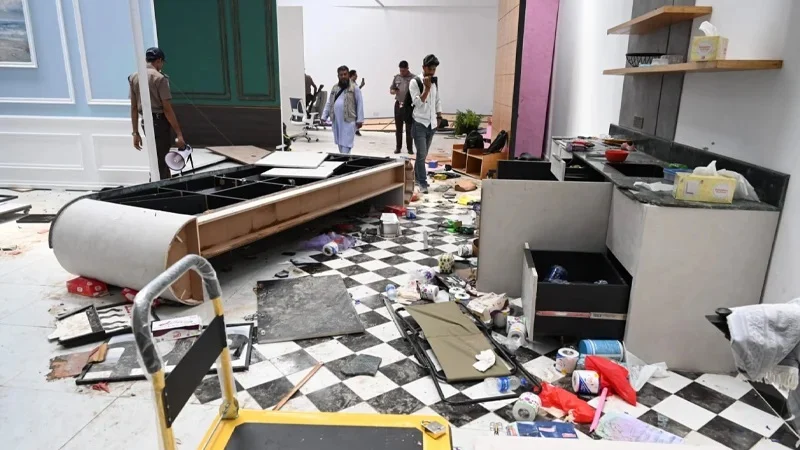
Following the mass uprising that led to the fall of Sheikh Hasina’s government, a wave of attacks, vandalism, and arms looting swept across police stations nationwide. Feni Model Police Station was no exception. In connection with this, Md. Jamal Uddin Gazi was arrested as a suspect.
Four months later, he was released on bail. Recently, he filed a case claiming he had been injured during anti-discrimination protests, naming 264 individuals as accused, including 100–150 unidentified persons.
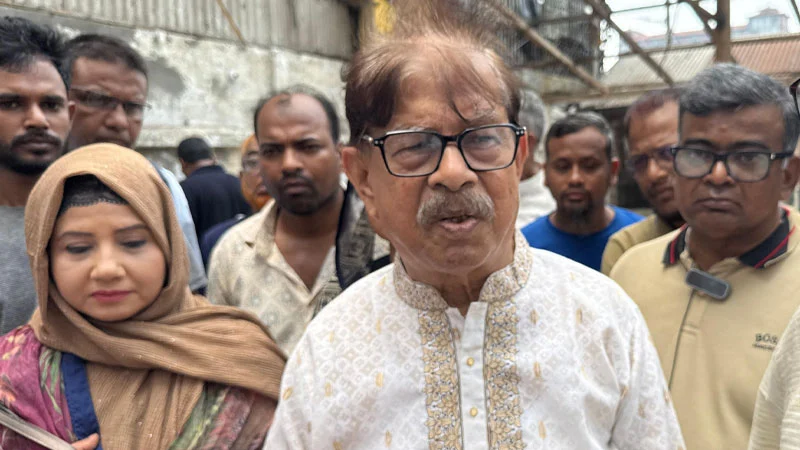
“The complainant himself admitted at the police superintendent’s office that he does not know me. Who listed my name remains a mystery.”
—Abdul Matin Parvez, BNP vice-chairman of Feni’s Ward No. 18
Initially, Jamal Gazi attempted to file the case at Feni Model Police Station but failed. On August 17, he submitted the application to the Senior Judicial Magistrate Court in Feni, which ordered the Additional Superintendent of Police (Sadar Circle) to investigate. The investigation is still ongoing.
When asked why the case was filed a year later, Jamal Gazi told Prothom Alo that delays were due to prolonged medical treatment. He alleged that he had been falsely arrested in connection with the Feni police station looting case.
“Case-Business” Layers in Feni
Prothom Alo’s investigation revealed multiple layers of “case-business” in Feni. Disputes—whether personal or commercial—often led one side to pay to have their rival’s name included in cases. Draft charges were circulated in advance; if a payment was made, the person’s name could be removed. Otherwise, they were formally accused.
Jamal Gazi, a former member of Feni District Jubo Dal and joint convener of Chagolnaiya Upazila Jubo Dal, initially included top leaders of the Awami League in his draft, later adding lower-tier leaders of BNP, Jamaat, Jatiya Party, JASAD, business figures, and expatriates.
Since August 5, 2024, the term “case-business” has become widely known in Feni. Many cases mirrored Jamal Gazi’s approach, listing both political figures and common citizens, allegedly to settle personal or commercial disputes through legal harassment.
“Even BNP and Jamaat leaders have not escaped. I was named in an attempted murder case even though the complainant admitted he didn’t know me. Who added my name remains a mystery.”
—Abdul Matin Parvez, BNP
Background of the Feni Arms Looting Case
In April 2024, police claimed that attacks during the mass uprising involved weapons theft from Feni Model Police Station. Jamal Gazi was arrested in connection with these incidents. After bail, he filed a case alleging injury during anti-discrimination protests, listing hundreds as accused.
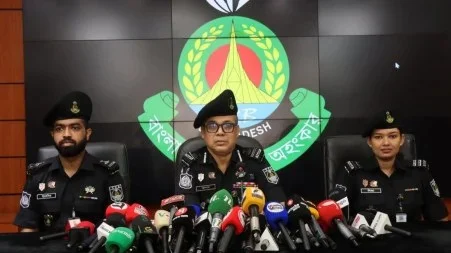
Investigations indicate that some police officers and political figures coordinated in these accusations. Feni Sadar Circle Additional Superintendent of Police Md. Ariful Islam Siddique has faced significant criticism. Recently, two station officers were transferred, possibly connected to this controversy.
How “Case-Business” Operates
Locals describe a multi-tiered system:
-
Draft Charges Circulated: Target individuals receive a draft case via WhatsApp, often showing them with a local Awami League leader at social events to imply political connections.
-
Payments Influence Inclusion: Names can be removed if money is paid; refusal leads to formal inclusion as accused.
-
Further Legal Costs: Even after bail, accused individuals often pay significant sums to avoid rearrest or being implicated in additional cases.
-
Political Influence: Local BNP, Jamaat leaders, and some police officers play a direct role in determining who is accused and who is spared.
For example, a doctor, initially added to a draft case, paid 40,000 BDT to have his name removed. Other businesspeople and expatriates reported similar experiences, paying between 50,000 BDT to 400,000 BDT to avoid repeated legal harassment.
Arrests and Bail in Feni
By September 30, 2025, 845 individuals had been arrested in Feni in cases tied to alleged “fascist” activities. Courts granted bail to 687 of them. Many who obtained bail later faced re-arrests in new or related cases, sometimes requiring payments to avoid jail.
Local sources say that a network involving jail officers, police officials, political leaders, and lawyers manages this system, coordinating with politicians and youth wing leaders to control case outcomes.
Political Control Over Cases
A total of 22 cases have been filed in Feni since the uprising: 7 homicide and 15 attempted murder cases. These cases list 2,199 accused and nearly 4,000 unidentified suspects. BNP and Jamaat leaders, rather than the complainants, often determine the accused.
-
BNP leaders decide accused in four of the homicide cases; Jamaat leaders decide in three.
-
In attempted murder cases, most complainants do not know the accused; political figures direct the naming process.
-
Feni District BNP leadership, including Mezbaha Uddin Bhuiya (senior Mezbaha), oversees management of several cases.
Accusations of Corruption and Influence
Investigations reveal:
-
Business rivalries, personal vendettas, and financial incentives drive the inclusion of accused names.
-
Both local and expatriate businesspeople have been targeted in cases linked to disputes.
-
Even bail does not guarantee protection; payments are often necessary to avoid rearrest.
A key figure in case management is Feni Sadar Circle Additional Superintendent of Police Md. Ariful Islam Siddique, along with recently transferred police station officers and a special branch officer.
Local Political Insights
BNP district leader Sheikh Farid Bahar acknowledged that cases have become instruments of political and financial leverage. Party insiders also confirm that armed incidents during the uprising are well-known locally, eliminating the need for mass arbitrary arrests. Farid Bahar mentioned that the party plans to address those involved in “case-business” in an upcoming extended meeting.
Conclusion
The post-uprising legal landscape in Feni has evolved into a multi-layered system where political influence, personal disputes, and financial transactions dictate who faces prosecution. Observers and victims alike say this has undermined justice and accountability, leaving many innocent citizens at the mercy of a complex web of political and legal maneuvering.