Dhaka 12:32 am, Thursday, 14 May 2026

Tarique Rahman expresses optimism about election victory

Niloy Mridha
  • Update Time : 05:29:13 pm, Monday, 6 October 2025
  • / 4083 Time View

Tarique Rahman Confident of BNP Victory and Single-Party Rule

BNP’s acting chairman, Tarique Rahman, has voiced confidence that his party will secure victory in the upcoming national election and form a government on its own.

In a recent interview with the UK-based Financial Times, he said the party is “strongly positioned to win” and prepared to lead Bangladesh’s next administration.

Rahman, who has been living in London for over 15 years with his family, stated that he intends to return home to contest in the polls.

“I believe the time for my return to Bangladesh is very near,” he told the paper.

He also remarked that the student-led uprising that ended Sheikh Hasina’s long rule will not be complete until the country holds a free and credible election.

“We are confident we will win,” Rahman said. “We strongly believe we are in a position to form a government independently.”

According to the Financial Times, whoever comes to power next will face major economic challenges.

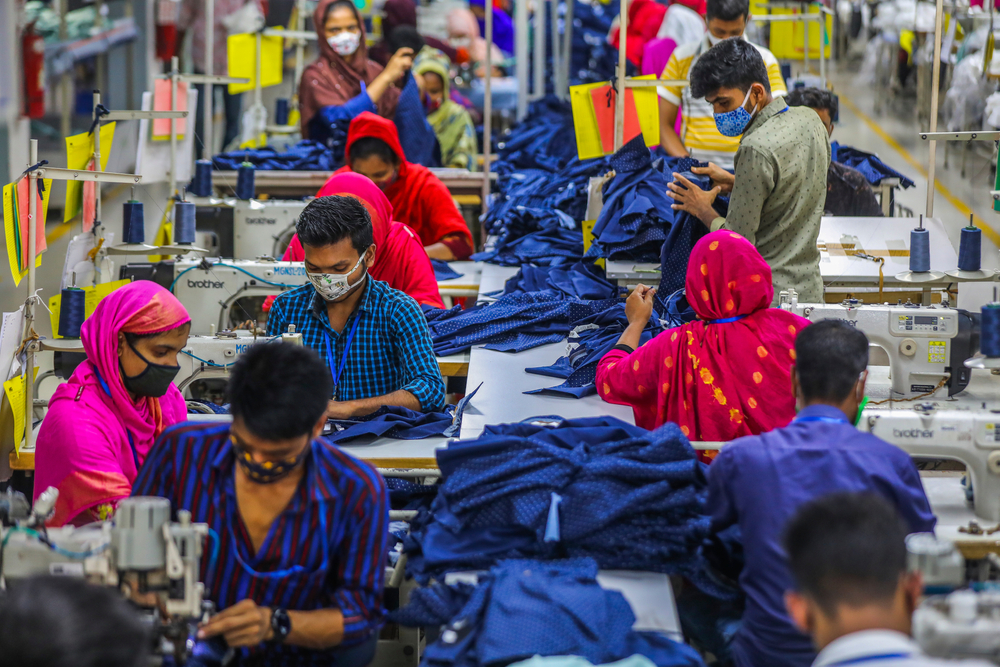
Bangladesh’s garment exports are under pressure due to US trade responses, while relations with neighbouring India have also cooled. The report notes that Sheikh Hasina has taken refuge in India.

Recent opinion polls suggest the BNP currently leads, with many predicting that Rahman could become prime minister after the February election.

The interim administration led by Professor Muhammad Yunus has barred the Awami League from political activity, citing its authoritarian record.

Rahman echoed Yunus’s description of the Awami League as “fascist” and said the BNP is ready to form a coalition with other groups, including a new youth-led party that played a major role in last year’s uprising.

“We will welcome them into politics,” he said. “They are young, and they represent the future.”


Outlining his economic vision, Rahman said a new BNP government would aim to diversify Bangladesh’s economy beyond garment exports.

He proposed turning the country into a logistics and supply hub for e-commerce giants such as Amazon, eBay, and Alibaba.


In foreign policy, Rahman pledged to follow a “Bangladesh First” approach, calling for a reset in the country’s historically one-sided relationship with India, which had long supported Sheikh Hasina.


The Financial Times article also noted the deep family rivalry that has dominated Bangladesh’s politics for decades.

Hasina is the daughter of Sheikh Mujibur Rahman, the country’s founding leader who was assassinated in 1975, while Tarique Rahman is the son of former president Ziaur Rahman, himself a key figure in the independence struggle, who was killed in 1981. After his death, Khaleda Zia, Tarique’s mother, led the BNP for many years.


Now 59, Tarique Rahman has lived in exile since 2008.

He faces several corruption charges, which he claims are politically motivated.

Rahman has pledged to end the cycle of political vengeance, noting that his party has already expelled or disciplined more than 7,000 members accused of retaliatory actions since last August.


When asked whether the Awami League should be allowed back into politics, Rahman avoided a direct answer.

The report added that despite its setbacks, the party still retains some public support.

Referring to ongoing trials of Awami League leaders, Rahman said,

“If they are found guilty of crimes, how can they still contest in elections?”


The Financial Times concluded that Hasina’s 15-year rule was marked by corruption, repression of dissent, and human-rights violations, including enforced disappearances and extrajudicial killings.


Rahman stated that, if elected, his government would continue efforts by the interim administration to recover billions of dollars allegedly siphoned abroad by individuals close to Hasina.

However, the paper reminded readers that during the BNP’s last term in power, Bangladesh topped Transparency International’s list of the most corru

pt countries for five consecutive years.

Tag :

Please Share This Post in Your Social Media

Tarique Rahman expresses optimism about election victory

Update Time : 05:29:13 pm, Monday, 6 October 2025

Tarique Rahman Confident of BNP Victory and Single-Party Rule

BNP’s acting chairman, Tarique Rahman, has voiced confidence that his party will secure victory in the upcoming national election and form a government on its own.

In a recent interview with the UK-based Financial Times, he said the party is “strongly positioned to win” and prepared to lead Bangladesh’s next administration.

Rahman, who has been living in London for over 15 years with his family, stated that he intends to return home to contest in the polls.

“I believe the time for my return to Bangladesh is very near,” he told the paper.

He also remarked that the student-led uprising that ended Sheikh Hasina’s long rule will not be complete until the country holds a free and credible election.

“We are confident we will win,” Rahman said. “We strongly believe we are in a position to form a government independently.”

According to the Financial Times, whoever comes to power next will face major economic challenges.

Bangladesh’s garment exports are under pressure due to US trade responses, while relations with neighbouring India have also cooled. The report notes that Sheikh Hasina has taken refuge in India.

Recent opinion polls suggest the BNP currently leads, with many predicting that Rahman could become prime minister after the February election.

The interim administration led by Professor Muhammad Yunus has barred the Awami League from political activity, citing its authoritarian record.

Rahman echoed Yunus’s description of the Awami League as “fascist” and said the BNP is ready to form a coalition with other groups, including a new youth-led party that played a major role in last year’s uprising.

“We will welcome them into politics,” he said. “They are young, and they represent the future.”


Outlining his economic vision, Rahman said a new BNP government would aim to diversify Bangladesh’s economy beyond garment exports.

He proposed turning the country into a logistics and supply hub for e-commerce giants such as Amazon, eBay, and Alibaba.


In foreign policy, Rahman pledged to follow a “Bangladesh First” approach, calling for a reset in the country’s historically one-sided relationship with India, which had long supported Sheikh Hasina.


The Financial Times article also noted the deep family rivalry that has dominated Bangladesh’s politics for decades.

Hasina is the daughter of Sheikh Mujibur Rahman, the country’s founding leader who was assassinated in 1975, while Tarique Rahman is the son of former president Ziaur Rahman, himself a key figure in the independence struggle, who was killed in 1981. After his death, Khaleda Zia, Tarique’s mother, led the BNP for many years.


Now 59, Tarique Rahman has lived in exile since 2008.

He faces several corruption charges, which he claims are politically motivated.

Rahman has pledged to end the cycle of political vengeance, noting that his party has already expelled or disciplined more than 7,000 members accused of retaliatory actions since last August.


When asked whether the Awami League should be allowed back into politics, Rahman avoided a direct answer.

The report added that despite its setbacks, the party still retains some public support.

Referring to ongoing trials of Awami League leaders, Rahman said,

“If they are found guilty of crimes, how can they still contest in elections?”


The Financial Times concluded that Hasina’s 15-year rule was marked by corruption, repression of dissent, and human-rights violations, including enforced disappearances and extrajudicial killings.


Rahman stated that, if elected, his government would continue efforts by the interim administration to recover billions of dollars allegedly siphoned abroad by individuals close to Hasina.

However, the paper reminded readers that during the BNP’s last term in power, Bangladesh topped Transparency International’s list of the most corru

pt countries for five consecutive years.