Dhaka 9:03 pm, Thursday, 30 April 2026

From Royal Gardens to Political Hub: The Legacy of Shahbagh

Reporter Name
  • Update Time : 12:34:22 pm, Tuesday, 18 March 2025
  • / 2937 Time View

Shahbagh is a historical and symbolic location in Dhaka, where the struggles and movements for change, resistance, and rebellion have always converged. From various crises to revolutionary movements, Shahbagh has stood as a focal point for political protests and public outcry, making it a symbol of the people’s defiance. But how did this center of resistance come into being? The history of Shahbagh stretches from the Mughal era to modern-day Bangladesh, evolving as a site of political and cultural significance.


Origins of Shahbagh


The establishment of Shahbagh dates back to the Mughal era, around the 17th century. During this time, the region became a place for settlement, trade expansion, and the development of local markets. Old Dhaka served as the capital of Bengal, and the area now known as Shahbagh was called ‘Bag-e-Badshahi’ (Bagh-i-Badshahi) – a Persian name meaning “Garden of the King”. Under Mughal rule, Persian was the official language of the court, and thus, the name evolved from “Bag-e-Badshahi” to “Shahbagh” over time. The word “Shah” means king, and “Bagh” means garden, reflecting the large royal gardens once situated there.


The Nawbabs of Dhaka and the Evolution of Shahbagh


In the 19th century, during the reign of Nawab Abdul Ghani, the Shahbagh area witnessed further development. The garden estates around Shahbagh were maintained and enhanced by British magistrates like Charles Doss in 1825, who introduced horse racing at the nearby Racecourse Maidan. Under the patronage of the Nawabs and the British East India Company, Shahbagh’s gardens were enhanced and became known for their lavishness, serving as venues for social gatherings.
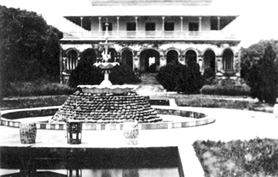
 

The area continued to develop in the 19th century, with notable figures like Khwaja Ahsanullah, a prominent Armenian landowner, who built the Ishrath Manzil (the grand house in Shahbagh) in 1873, laying the foundation for Shahbagh’s cultural and political significance. This was part of the transformation of the area from royal gardens into a more urbanized space, with architectural grandeur marking the Nawabs’ opulent lifestyle.


From Hotel Shahbagh to Post-Independence Developments


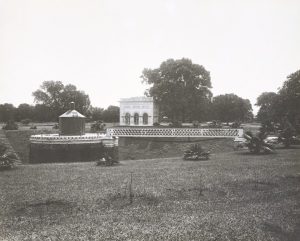
By the early 20th century, Ishrath Manzil and its grounds became part of the emerging political landscape of Bengal. In 1951, the grand estate was converted into the Shahbagh Hotel, the first three-star hotel in Dhaka, designed by British architects Edward Hicks and Ronald McConnell. The hotel played a significant role in the social life of Dhaka, hosting elites, politicians, and foreign dignitaries. However, following the liberation war of 1971, the hotel was transformed into the Institute of Postgraduate Medicine and Research, eventually becoming the Bangladesh Medical University (BSMMU) in 1998.
Shahbagh’s Role in Political and Cultural Movements


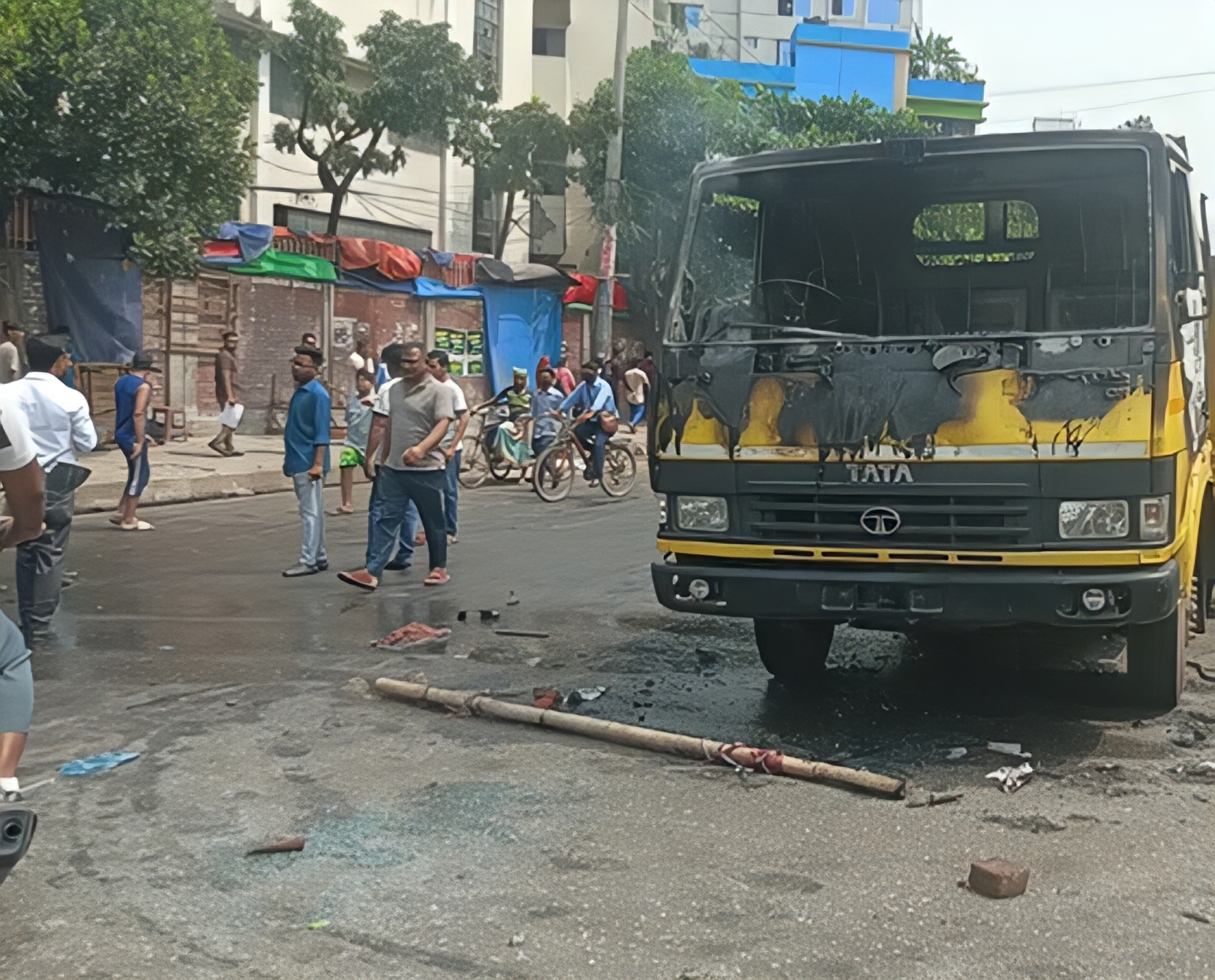
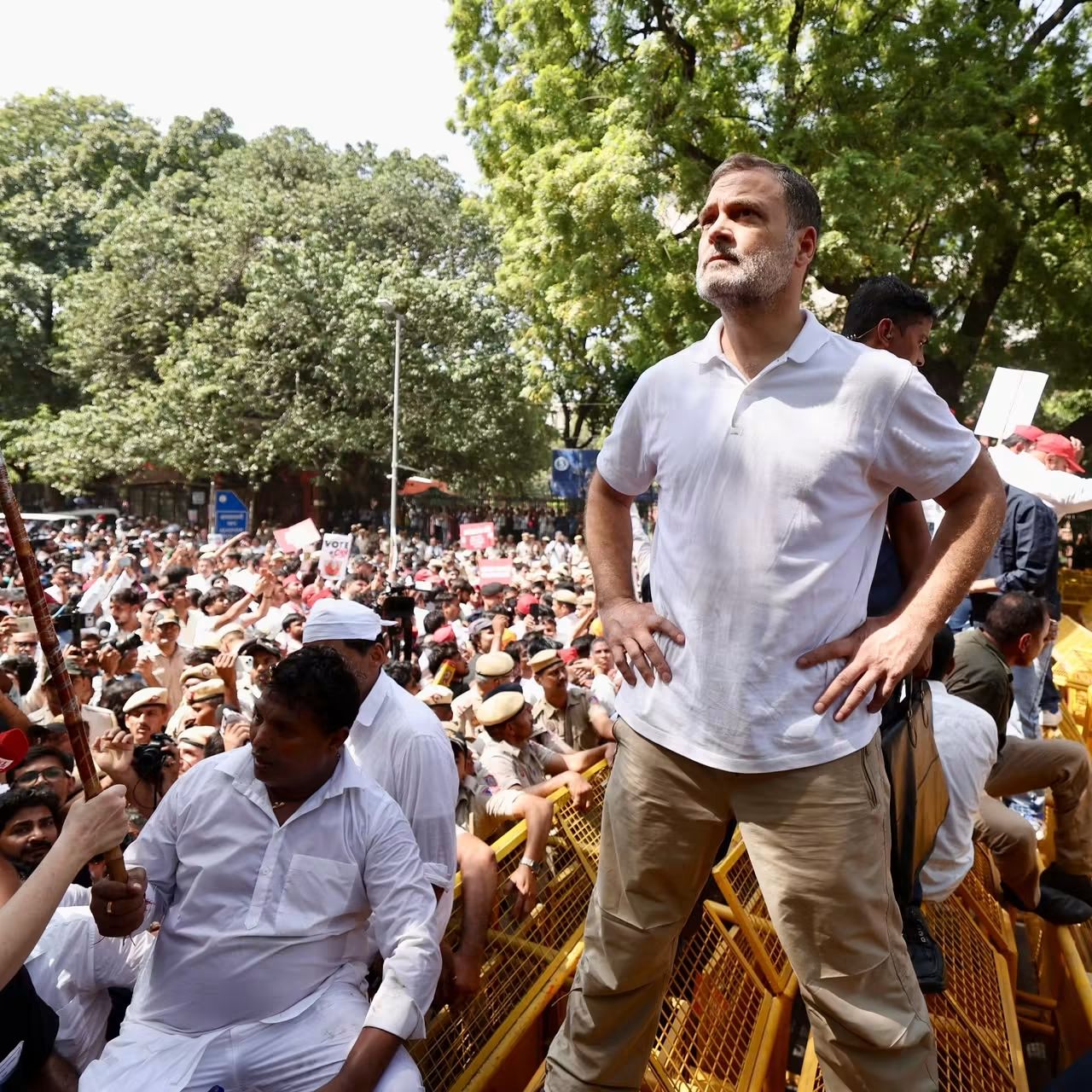
Shahbagh’s political and cultural significance continued to grow, particularly in the 20th century. The area became a hub for resistance and protest during various periods of political upheaval, symbolizing the political struggles of the time. Shahbagh has been a central location for protests, from the Language Movement in the 1950s to the Shahbagh Movement in 2013, where people took to the streets demanding capital punishment for war criminals.


The area was also central in the formation of the All-India Muslim League, a key moment in the history of the partition of India and the creation of Pakistan. The founding meeting of the Muslim League took place in the Ishrath Manzil in 1906, marking Shahbagh’s role as a political epicenter.


Legacy of Shahbagh: A Place of Expression


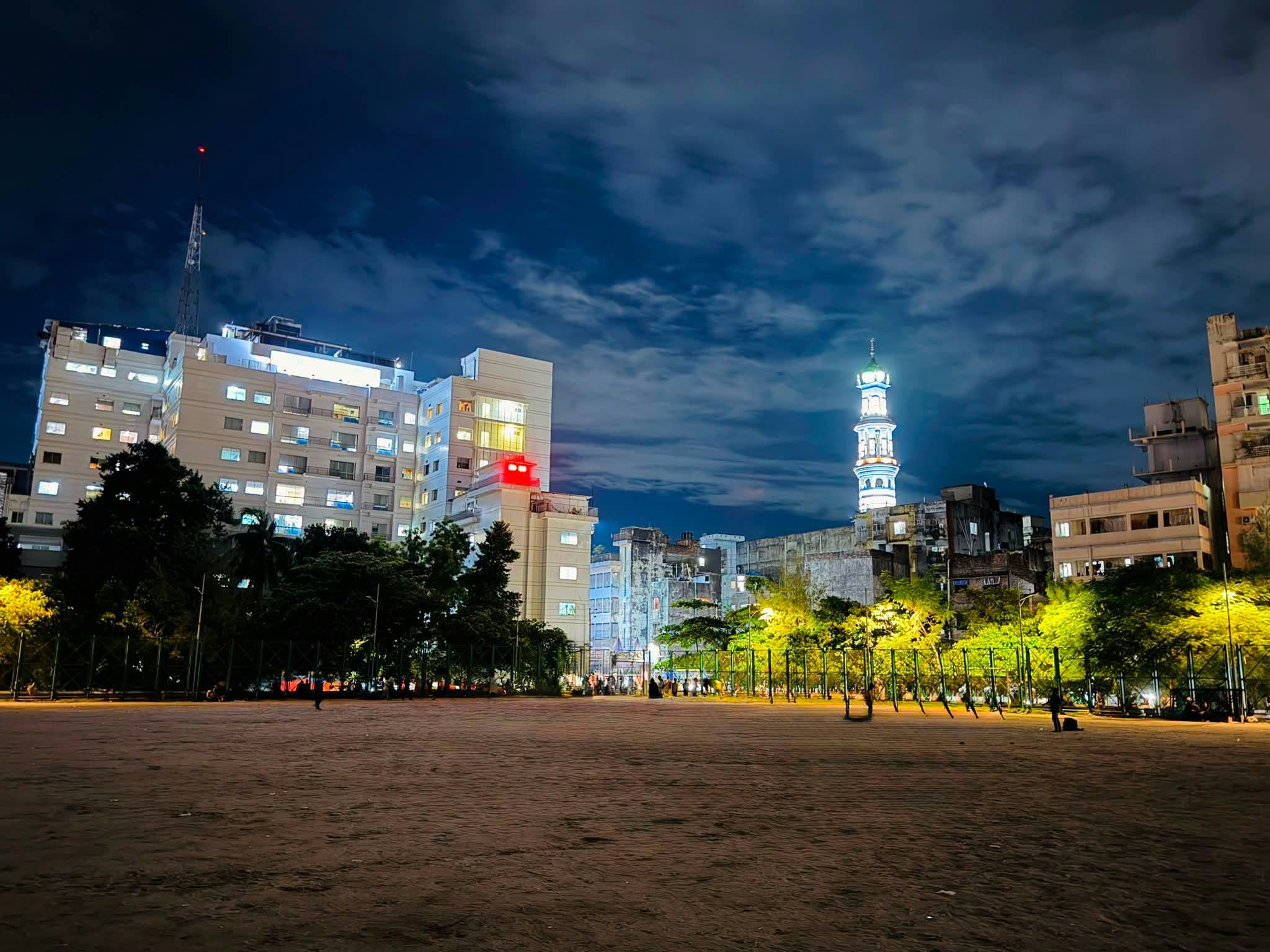
Today, Shahbagh remains a place where political expression and public opinion are voiced. Much like London’s Hyde Park, anyone can stand at Shahbagh and express their thoughts, making it a symbol of public freedom and defiance. Shahbagh remains alive with its history of resistance and is remembered as a central space for the people’s voice, standing strong against various political forces and reflecting the deep connection between the people of Bangladesh and the space itself.


The legacy of Shahbagh is not just about its past; it is a living testament to the struggles and movements that have shaped modern Bangladesh, making it an enduring symbol of resistance and the fight for justice.


Political Epicenter


Shahbagh has been a witness to countless political uprisings, none more significant than the 1971 Liberation War. The area was central to student-led resistance against the Pakistani regime. Even in independent Bangladesh, Shahbagh continued to play a role in democratic movements, including the anti-autocracy protests of the 1990s that led to the fall of General Ershad.


In 2013, the Shahbagh movement—also known as the Gonojagoron Mancha—saw thousands gather to demand capital punishment for war criminals. The movement symbolized a resurgence of nationalistic sentiment and public demand for justice.


However, the movement also faced criticism for being influenced by political interests. While many supported its call for justice, some alleged that the ruling Awami League used it to suppress political opponents. Additionally, the crackdown on bloggers and activists, who were initially part of the movement, raised concerns about freedom of speech and human rights violations.


Cultural and Social Hub


Beyond politics, Shahbagh is a melting pot of culture and intellectualism. The nearby Bangla Academy hosts the annual Ekushey Book Fair, the largest literary event in Bangladesh. The area is home to the National Museum, the Public Library, and several art galleries, making it a sanctuary for knowledge seekers.


Shahbagh is also a hotspot for social movements. From feminist rallies to protests against environmental degradation, the area remains a platform for progressive voices. The iconic Teacher-Student Centre (TSC) of Dhaka University often buzzes with discussions, poetry recitations, and musical performances.


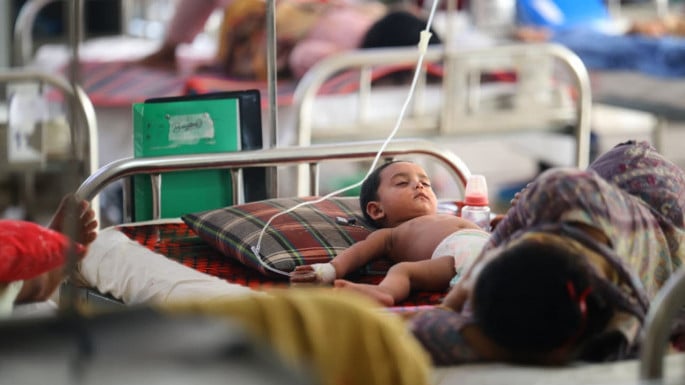
However, despite its cultural significance, Shahbagh has faced urban decay and mismanagement. The environmental problems in Dhaka, including traffic congestion and pollution, have severely affected the livability of this area. Dhaka Medical College, one of the key landmarks in Shahbagh, has also been plagued by mismanagement and a lack of ICU facilities despite years of independence.


The Pulse of the Nation


Even today, Shahbagh remains a place where history is written. It reflects the struggles and aspirations of the Bangladeshi people. Whether in times of crisis or celebration, Shahbagh stands as a testament to resilience, intellect, and the unyielding spirit of the nation.


However, the political climate surrounding Shahbagh has changed. The Awami League government, which once supported the Shahbagh movement, has since been accused of authoritarianism, electoral manipulation, and suppressing opposition voices. The July massacre and other controversial actions of the ruling party have led to growing discontent, raising questions about the future of democracy in Bangladesh.


Shahbagh, therefore, remains not only a historic landmark but also a mirror of the nation’s evolving political and social landscape.


Sources:

1. Dhaka: Smriti Bistritir Nagari (Dhaka: A City of Expanding Memories), Muntasir Mamun, June 1993


2. Dhakar 400 Bochor (400 Years of Dhaka), Edited by Dr. M A Hannan Firoz, 2009


3. Oitihashik Dhaka Mohanagari: Biborton O Shombhabona (Historic Dhaka Metropolis: Evolution and Prospects), Edited by Iftikhar-ul-Awwal, Bangladesh National Museum, December 2003


4. Dhakar Itibritto: Oitijhyo O Shongskriti (Chronicles of Dhaka: Heritage and Culture), Mohammad Abdul Kaiyum, 2008


5. Dhaka: Itihash O Nagor Jibon (1840-1921) (Dhaka: History and Urban Life, 1840-1921), Sharif Uddin Ahmed, 2001


6. Glimpses of Old Dhaka, S M Taifoor, 1952


7. The Business Standard, November 22, 2024


8. Dhaka Kosh (Dhaka Encyclopedia), Edited by Sharif Uddin Ahmed, Asiatic Society of Bangladesh, 2012



Please Share This Post in Your Social Media

From Royal Gardens to Political Hub: The Legacy of Shahbagh

Update Time : 12:34:22 pm, Tuesday, 18 March 2025

Shahbagh is a historical and symbolic location in Dhaka, where the struggles and movements for change, resistance, and rebellion have always converged. From various crises to revolutionary movements, Shahbagh has stood as a focal point for political protests and public outcry, making it a symbol of the people’s defiance. But how did this center of resistance come into being? The history of Shahbagh stretches from the Mughal era to modern-day Bangladesh, evolving as a site of political and cultural significance.


Origins of Shahbagh


The establishment of Shahbagh dates back to the Mughal era, around the 17th century. During this time, the region became a place for settlement, trade expansion, and the development of local markets. Old Dhaka served as the capital of Bengal, and the area now known as Shahbagh was called ‘Bag-e-Badshahi’ (Bagh-i-Badshahi) – a Persian name meaning “Garden of the King”. Under Mughal rule, Persian was the official language of the court, and thus, the name evolved from “Bag-e-Badshahi” to “Shahbagh” over time. The word “Shah” means king, and “Bagh” means garden, reflecting the large royal gardens once situated there.


The Nawbabs of Dhaka and the Evolution of Shahbagh


In the 19th century, during the reign of Nawab Abdul Ghani, the Shahbagh area witnessed further development. The garden estates around Shahbagh were maintained and enhanced by British magistrates like Charles Doss in 1825, who introduced horse racing at the nearby Racecourse Maidan. Under the patronage of the Nawabs and the British East India Company, Shahbagh’s gardens were enhanced and became known for their lavishness, serving as venues for social gatherings.


The area continued to develop in the 19th century, with notable figures like Khwaja Ahsanullah, a prominent Armenian landowner, who built the Ishrath Manzil (the grand house in Shahbagh) in 1873, laying the foundation for Shahbagh’s cultural and political significance. This was part of the transformation of the area from royal gardens into a more urbanized space, with architectural grandeur marking the Nawabs’ opulent lifestyle.


From Hotel Shahbagh to Post-Independence Developments


By the early 20th century, Ishrath Manzil and its grounds became part of the emerging political landscape of Bengal. In 1951, the grand estate was converted into the Shahbagh Hotel, the first three-star hotel in Dhaka, designed by British architects Edward Hicks and Ronald McConnell. The hotel played a significant role in the social life of Dhaka, hosting elites, politicians, and foreign dignitaries. However, following the liberation war of 1971, the hotel was transformed into the Institute of Postgraduate Medicine and Research, eventually becoming the Bangladesh Medical University (BSMMU) in 1998.

Shahbagh’s Role in Political and Cultural Movements


Shahbagh’s political and cultural significance continued to grow, particularly in the 20th century. The area became a hub for resistance and protest during various periods of political upheaval, symbolizing the political struggles of the time. Shahbagh has been a central location for protests, from the Language Movement in the 1950s to the Shahbagh Movement in 2013, where people took to the streets demanding capital punishment for war criminals.


The area was also central in the formation of the All-India Muslim League, a key moment in the history of the partition of India and the creation of Pakistan. The founding meeting of the Muslim League took place in the Ishrath Manzil in 1906, marking Shahbagh’s role as a political epicenter.


Legacy of Shahbagh: A Place of Expression


Today, Shahbagh remains a place where political expression and public opinion are voiced. Much like London’s Hyde Park, anyone can stand at Shahbagh and express their thoughts, making it a symbol of public freedom and defiance. Shahbagh remains alive with its history of resistance and is remembered as a central space for the people’s voice, standing strong against various political forces and reflecting the deep connection between the people of Bangladesh and the space itself.


The legacy of Shahbagh is not just about its past; it is a living testament to the struggles and movements that have shaped modern Bangladesh, making it an enduring symbol of resistance and the fight for justice.


Political Epicenter


Shahbagh has been a witness to countless political uprisings, none more significant than the 1971 Liberation War. The area was central to student-led resistance against the Pakistani regime. Even in independent Bangladesh, Shahbagh continued to play a role in democratic movements, including the anti-autocracy protests of the 1990s that led to the fall of General Ershad.


In 2013, the Shahbagh movement—also known as the Gonojagoron Mancha—saw thousands gather to demand capital punishment for war criminals. The movement symbolized a resurgence of nationalistic sentiment and public demand for justice.


However, the movement also faced criticism for being influenced by political interests. While many supported its call for justice, some alleged that the ruling Awami League used it to suppress political opponents. Additionally, the crackdown on bloggers and activists, who were initially part of the movement, raised concerns about freedom of speech and human rights violations.


Cultural and Social Hub


Beyond politics, Shahbagh is a melting pot of culture and intellectualism. The nearby Bangla Academy hosts the annual Ekushey Book Fair, the largest literary event in Bangladesh. The area is home to the National Museum, the Public Library, and several art galleries, making it a sanctuary for knowledge seekers.


Shahbagh is also a hotspot for social movements. From feminist rallies to protests against environmental degradation, the area remains a platform for progressive voices. The iconic Teacher-Student Centre (TSC) of Dhaka University often buzzes with discussions, poetry recitations, and musical performances.


However, despite its cultural significance, Shahbagh has faced urban decay and mismanagement. The environmental problems in Dhaka, including traffic congestion and pollution, have severely affected the livability of this area. Dhaka Medical College, one of the key landmarks in Shahbagh, has also been plagued by mismanagement and a lack of ICU facilities despite years of independence.


The Pulse of the Nation


Even today, Shahbagh remains a place where history is written. It reflects the struggles and aspirations of the Bangladeshi people. Whether in times of crisis or celebration, Shahbagh stands as a testament to resilience, intellect, and the unyielding spirit of the nation.


However, the political climate surrounding Shahbagh has changed. The Awami League government, which once supported the Shahbagh movement, has since been accused of authoritarianism, electoral manipulation, and suppressing opposition voices. The July massacre and other controversial actions of the ruling party have led to growing discontent, raising questions about the future of democracy in Bangladesh.


Shahbagh, therefore, remains not only a historic landmark but also a mirror of the nation’s evolving political and social landscape.


Sources:

1. Dhaka: Smriti Bistritir Nagari (Dhaka: A City of Expanding Memories), Muntasir Mamun, June 1993


2. Dhakar 400 Bochor (400 Years of Dhaka), Edited by Dr. M A Hannan Firoz, 2009


3. Oitihashik Dhaka Mohanagari: Biborton O Shombhabona (Historic Dhaka Metropolis: Evolution and Prospects), Edited by Iftikhar-ul-Awwal, Bangladesh National Museum, December 2003


4. Dhakar Itibritto: Oitijhyo O Shongskriti (Chronicles of Dhaka: Heritage and Culture), Mohammad Abdul Kaiyum, 2008


5. Dhaka: Itihash O Nagor Jibon (1840-1921) (Dhaka: History and Urban Life, 1840-1921), Sharif Uddin Ahmed, 2001


6. Glimpses of Old Dhaka, S M Taifoor, 1952


7. The Business Standard, November 22, 2024


8. Dhaka Kosh (Dhaka Encyclopedia), Edited by Sharif Uddin Ahmed, Asiatic Society of Bangladesh, 2012