Dhaka 2:56 pm, Thursday, 15 October 2026

IMF Urges Bangladesh to Maintain Tight Monetary Policy to Curb Inflation

Reporter Name
  • Update Time : 07:58:49 am, Thursday, 15 October 2026
  • / 10 Time View

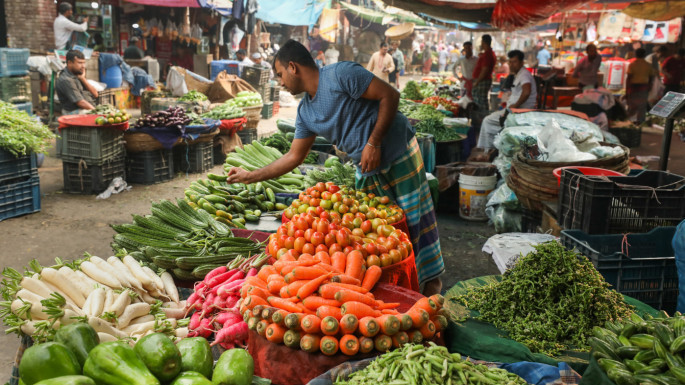
The International Monetary Fund (IMF) has advised Bangladesh to maintain a contractionary monetary policy to bring inflation under control, as inflation rose to 8 per cent in September, according to the organisation.


However, the IMF stressed that tight monetary policy alone would not be enough to overcome prolonged inflationary pressures and restore economic stability. It called for financial sector reforms, stronger revenue mobilisation and broader changes in economic management.


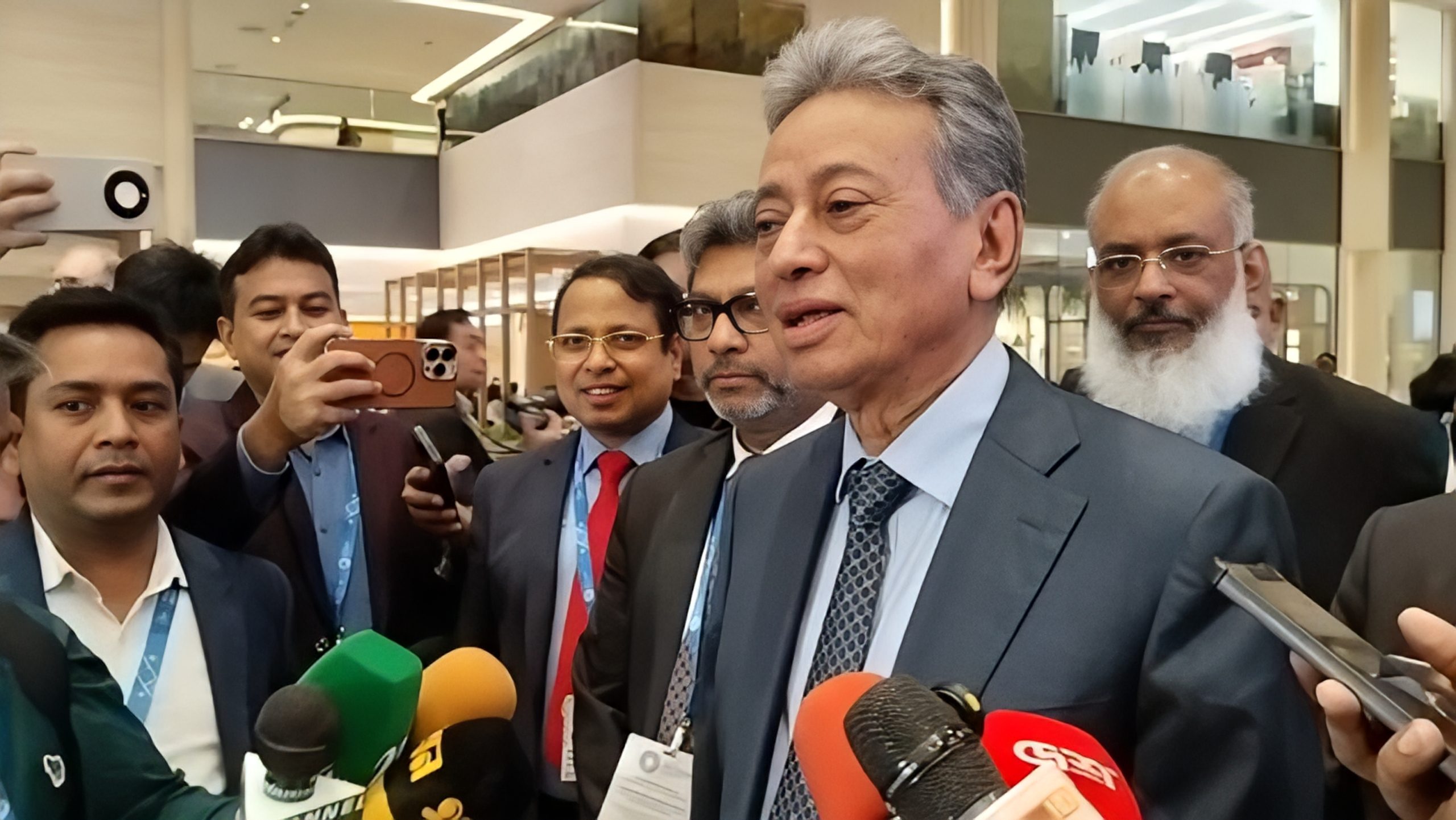
Sonali Jain-Chandra, Deputy Director of the IMF’s Asia and Pacific Department, made the remarks at a press conference on the region’s economic outlook held on the sidelines of the IMF-World Bank annual meetings in Bangkok, Thailand.


Responding to a question about whether restrictive monetary policy alone could address inflationary pressures that have persisted for more than three and a half years, Jain-Chandra said maintaining a tight monetary stance was important but needed to be accompanied by other reforms.


She noted that Bangladesh was currently facing challenges in three key areas: revenue management, the financial sector and inflation.


IMF Raises Concerns Over Weak Financial Sector


The IMF also expressed concern over the fragility of Bangladesh’s financial sector, describing its current condition as particularly weak.


The organisation emphasised the need to strengthen the sector’s capacity and ensure financial stability through a credible reform strategy.


According to the IMF, achieving sustainable economic stability would be difficult without addressing structural weaknesses and improving the financial sector’s resilience.


Revenue-to-GDP Ratio Stands at Around 7%


Weak revenue mobilisation is another major concern for the IMF. The organisation said Bangladesh’s revenue-to-GDP ratio had declined over time and currently stood at around 7 per cent, placing it among the lowest in the world.


The IMF said increasing government revenue was essential both to finance development expenditure and to strengthen the financial sector.


It called for necessary reforms to the revenue system and effective measures to improve collection.


The organisation also emphasised the importance of a coordinated approach to revenue mobilisation, saying structural changes were needed to address economic challenges and ensure adequate funding for government development programmes.


Talks Continue on New IMF Loan Programme


Meanwhile, discussions are continuing over a new IMF loan programme for Bangladesh.


Jain-Chandra said Bangladeshi authorities requested a new programme with IMF support in May, following the decision not to draw further instalments under the previous programme.


An IMF delegation subsequently visited Dhaka in July to discuss various aspects of Bangladesh’s economic reforms. According to Jain-Chandra, the reform issues discussed during the visit were closely aligned with recommendations made in the IMF’s Article IV consultation for the current year.


Since the July visit, the IMF has remained in regular contact with Bangladeshi authorities.


Jain-Chandra said the organisation was maintaining close engagement with the government and was willing to support Bangladesh in initiating the necessary reforms.
Tag :

Please Share This Post in Your Social Media

IMF Urges Bangladesh to Maintain Tight Monetary Policy to Curb Inflation

Update Time : 07:58:49 am, Thursday, 15 October 2026

The International Monetary Fund (IMF) has advised Bangladesh to maintain a contractionary monetary policy to bring inflation under control, as inflation rose to 8 per cent in September, according to the organisation.


However, the IMF stressed that tight monetary policy alone would not be enough to overcome prolonged inflationary pressures and restore economic stability. It called for financial sector reforms, stronger revenue mobilisation and broader changes in economic management.


Sonali Jain-Chandra, Deputy Director of the IMF’s Asia and Pacific Department, made the remarks at a press conference on the region’s economic outlook held on the sidelines of the IMF-World Bank annual meetings in Bangkok, Thailand.


Responding to a question about whether restrictive monetary policy alone could address inflationary pressures that have persisted for more than three and a half years, Jain-Chandra said maintaining a tight monetary stance was important but needed to be accompanied by other reforms.


She noted that Bangladesh was currently facing challenges in three key areas: revenue management, the financial sector and inflation.


IMF Raises Concerns Over Weak Financial Sector


The IMF also expressed concern over the fragility of Bangladesh’s financial sector, describing its current condition as particularly weak.


The organisation emphasised the need to strengthen the sector’s capacity and ensure financial stability through a credible reform strategy.


According to the IMF, achieving sustainable economic stability would be difficult without addressing structural weaknesses and improving the financial sector’s resilience.


Revenue-to-GDP Ratio Stands at Around 7%


Weak revenue mobilisation is another major concern for the IMF. The organisation said Bangladesh’s revenue-to-GDP ratio had declined over time and currently stood at around 7 per cent, placing it among the lowest in the world.


The IMF said increasing government revenue was essential both to finance development expenditure and to strengthen the financial sector.


It called for necessary reforms to the revenue system and effective measures to improve collection.


The organisation also emphasised the importance of a coordinated approach to revenue mobilisation, saying structural changes were needed to address economic challenges and ensure adequate funding for government development programmes.


Talks Continue on New IMF Loan Programme


Meanwhile, discussions are continuing over a new IMF loan programme for Bangladesh.


Jain-Chandra said Bangladeshi authorities requested a new programme with IMF support in May, following the decision not to draw further instalments under the previous programme.


An IMF delegation subsequently visited Dhaka in July to discuss various aspects of Bangladesh’s economic reforms. According to Jain-Chandra, the reform issues discussed during the visit were closely aligned with recommendations made in the IMF’s Article IV consultation for the current year.


Since the July visit, the IMF has remained in regular contact with Bangladeshi authorities.


Jain-Chandra said the organisation was maintaining close engagement with the government and was willing to support Bangladesh in initiating the necessary reforms.