Dhaka 3:13 pm, Wednesday, 22 April 2026

“Rivers losing navigability as dredging projects fail and climate risks rise.”

Niloy Mridha
  • Update Time : 01:19:34 pm, Saturday, 23 August 2025
  • / 624 Time View

Bangladesh’s Riverine Identity in Crisis: Dredging Corruption and Climate Threats.

Bangladesh, one of the world’s most riverine countries, is facing a severe crisis in maintaining the navigability of its rivers. While climate change is disrupting the natural flow of rivers, rampant corruption in the dredging sector is deepening the problem.

Causes of River Navigability Loss

1. Climate Change: Heavy monsoon rains and hill floods have reduced the navigability of rivers.

2. Sedimentation: Around 90% of Bangladesh’s rivers have lost navigability due to the accumulation of silt and soil.

3. Dredging Corruption: Dredging projects undertaken by government and private agencies often suffer from corruption and substandard work, failing to restore river navigability.

4. Illegal Land Encroachment: Gradually, riverbanks and waterways are being occupied illegally, further decreasing navigability.


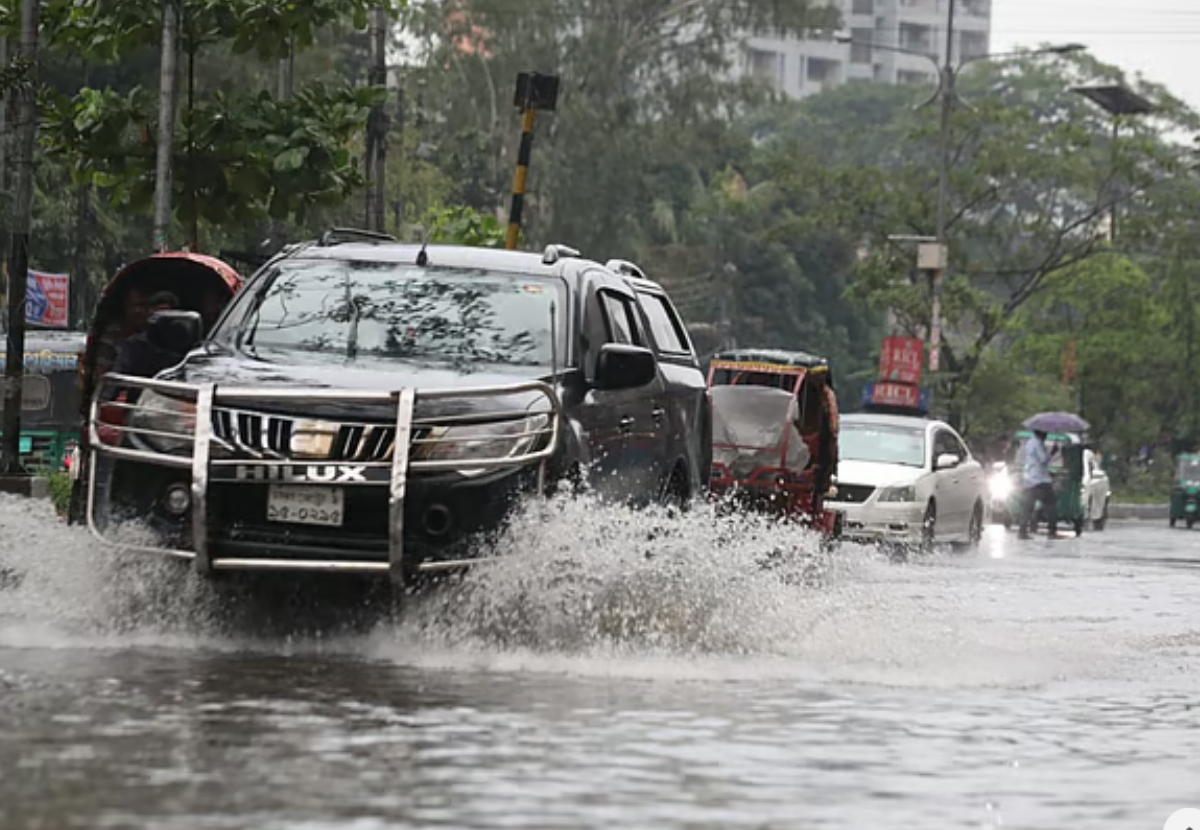
During the rainy season, hill floods and excessive rainfall submerge urban and rural areas, damaging lives and properties.

Billions of Taka worth of assets are at risk.

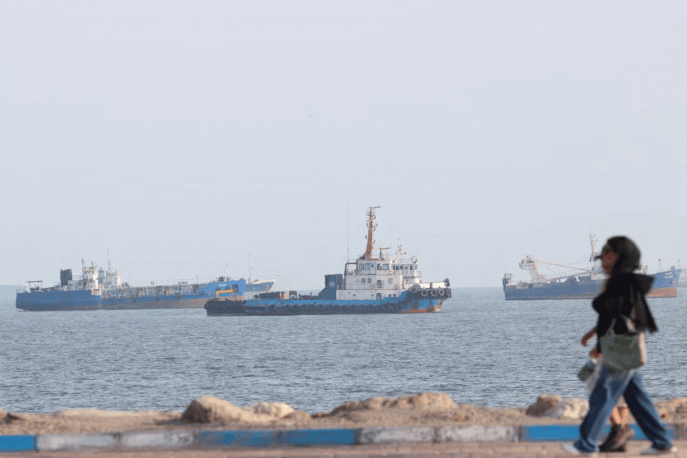
Transportation along waterways is disrupted due to reduced navigability.The environment, fisheries, and agriculture also suffer.

Failure of Dredging Projects

Despite spending hundreds of crores of Taka on dredging to restore navigability, many projects are incomplete or of extremely low quality. Illegal encroachments continue to expand, raising the risk of catastrophic floods similar to those seen in Pakistan.


Proposed Solutions

1. Implement transparent and regulated dredging operations.

2. Establish corruption-free monitoring and regular audits.

3. Strictly prevent illegal land occupation and constructions along riverbanks.

4. Restore rivers naturally through embankments and environmental rehabilitation.

5. Involve local communities and experts to ensure sustainable river management.


Rivers are not merely a source of transportation or water; they are the backbone of Bangladesh’s economy, agriculture, and livelihoods. Without immediate reform and proper management, Bangladesh faces not just seasonal floods but long-term economic, environmental, and social crises.
 

Tag :

Please Share This Post in Your Social Media

“Rivers losing navigability as dredging projects fail and climate risks rise.”

Update Time : 01:19:34 pm, Saturday, 23 August 2025

Bangladesh’s Riverine Identity in Crisis: Dredging Corruption and Climate Threats.

Bangladesh, one of the world’s most riverine countries, is facing a severe crisis in maintaining the navigability of its rivers. While climate change is disrupting the natural flow of rivers, rampant corruption in the dredging sector is deepening the problem.

Causes of River Navigability Loss

1. Climate Change: Heavy monsoon rains and hill floods have reduced the navigability of rivers.

2. Sedimentation: Around 90% of Bangladesh’s rivers have lost navigability due to the accumulation of silt and soil.

3. Dredging Corruption: Dredging projects undertaken by government and private agencies often suffer from corruption and substandard work, failing to restore river navigability.

4. Illegal Land Encroachment: Gradually, riverbanks and waterways are being occupied illegally, further decreasing navigability.


During the rainy season, hill floods and excessive rainfall submerge urban and rural areas, damaging lives and properties.

Billions of Taka worth of assets are at risk.

Transportation along waterways is disrupted due to reduced navigability.The environment, fisheries, and agriculture also suffer.

Failure of Dredging Projects

Despite spending hundreds of crores of Taka on dredging to restore navigability, many projects are incomplete or of extremely low quality. Illegal encroachments continue to expand, raising the risk of catastrophic floods similar to those seen in Pakistan.


Proposed Solutions

1. Implement transparent and regulated dredging operations.

2. Establish corruption-free monitoring and regular audits.

3. Strictly prevent illegal land occupation and constructions along riverbanks.

4. Restore rivers naturally through embankments and environmental rehabilitation.

5. Involve local communities and experts to ensure sustainable river management.


Rivers are not merely a source of transportation or water; they are the backbone of Bangladesh’s economy, agriculture, and livelihoods. Without immediate reform and proper management, Bangladesh faces not just seasonal floods but long-term economic, environmental, and social crises.