Traders Raised Edible Oil Prices Without Informing the Government: Commerce Adviser

- Update Time : 01:19:52 pm, Wednesday, 3 December 2025
- / 224 Time View


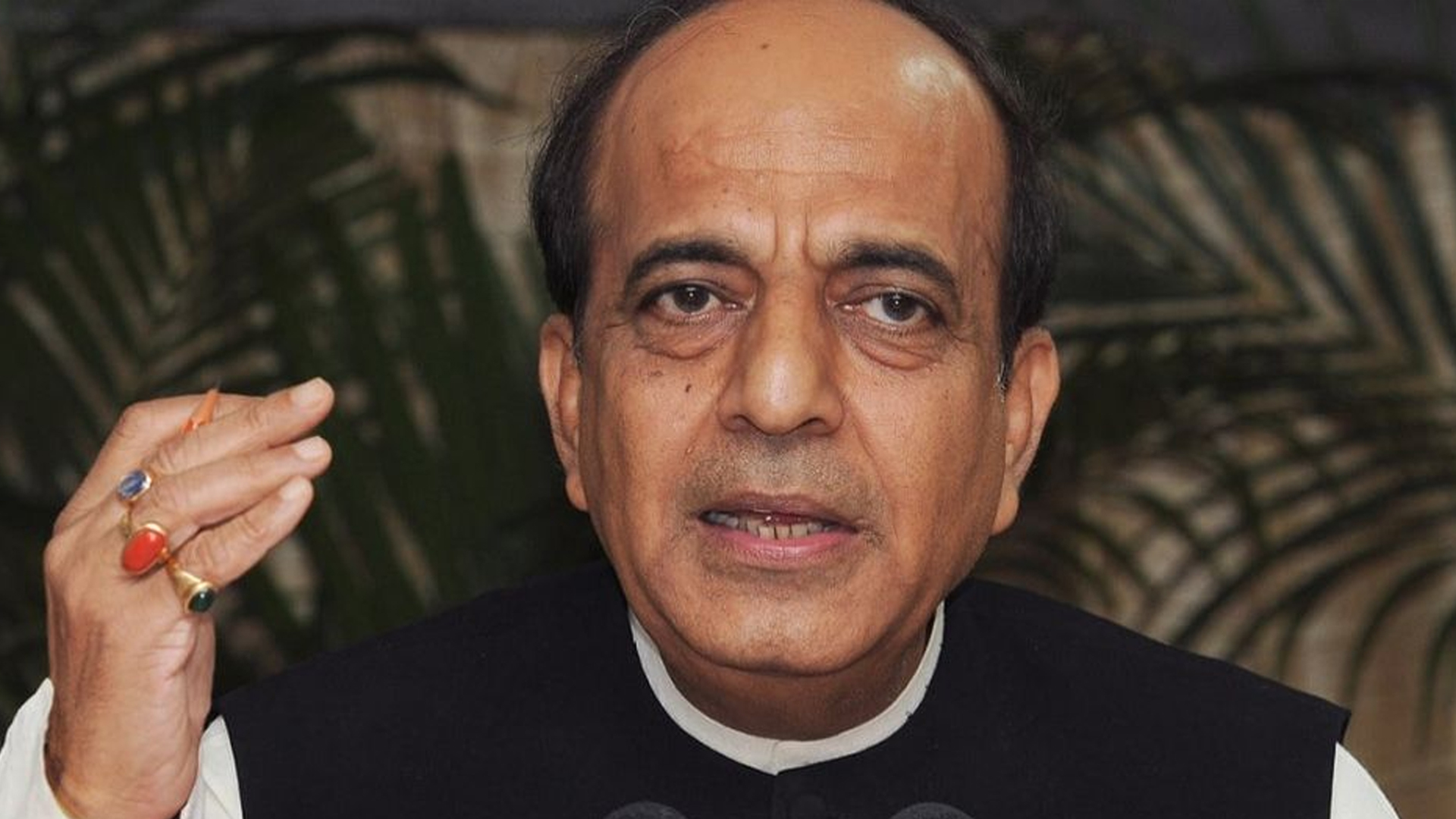
Commerce Adviser Sheikh Bashiruddin has said that traders had no legal grounds for increasing edible oil prices in the market. Speaking to reporters at the Secretariat today, he noted that he learned about the price hike only half an hour earlier and that the Commerce Ministry would now take action. According to him, businesses raised oil prices without notifying the government.
He added that on Tuesday, the Cabinet Committee on Government Purchase approved a proposal for the Trading Corporation of Bangladesh (TCB) to buy 15 million liters of edible oil — 5 million liters of soybean oil and 10 million liters of rice bran oil.
The adviser said the government bought oil from traders yesterday at a certain price, while today the same oil is being sold in the market at 20 taka more per liter. He said he could not see a reasonable explanation for such a jump.
Importers and marketing companies have increased soybean oil prices silently at the consumer level without prior notice, raising the retail price by 9 taka per liter.
When asked how traders became so powerful that they could raise prices without consulting the government, he replied, “Ask the traders. We have discussed the matter and are taking steps. This is not something to be fought with swords in the marketplace.”
He added that if there is a valid reason to adjust prices, the government is open to discussion. Ensuring supply stability is the government’s priority, not disrupting the market.
Traders have claimed they do not need approval from the ministry or the Tariff Commission to increase oil prices. The adviser dismissed this claim, saying the government does not accept that argument.
Regarding preparations ahead of Ramadan, he said the government’s planning is strong. More letters of credit for imports have been opened this time compared to last year, so supply disruptions are unlikely.
He also mentioned that prices of several items have already started to fall — sugar, lentils, chickpeas, and eggs among them. The government, he said, is committed to reasonable solutions for all market issues.
CAB Waiting for Government Action
Later in the afternoon, a meeting was held at the Commerce Ministry on the draft of the proposed Essential Commodities Act. CAB President and former secretary A H M Shafiquzzaman attended the meeting.
Afterward, he told journalists that the ministry has a formula for setting prices of essential goods. Raising edible oil prices by 9 taka per liter without consultation, he said, violates that system. If the association of oil refineries increased prices without discussing it with the ministry, “that is a breach of the law,” he said.
Shafiquzzaman added that raising oil prices without ministry approval is a clear consumer rights issue. CAB is waiting to see the actions the adviser mentioned.
He also noted that the law includes provisions strong enough to shut down refineries if necessary. The country already has laws on competition and consumer protection, and special measures can be used against hoarding. He said CAB wants to see these laws applied effectively.
He further pointed out that market monitoring has been weak recently. Alongside politics and law-and-order concerns, price stability is also crucial. Stronger market oversight is necessary to protect consumers, he said.