Dhaka–Delhi Tensions Rise, Indian Visa Centres to Remain Open Today

- Update Time : 03:57:58 am, Thursday, 18 December 2025
- / 417 Time View

“We Do Not Seek Advice From Neighbours on Our Elections”
Touhid Hossain, Foreign Affairs Adviser
Renewed Diplomatic Strain
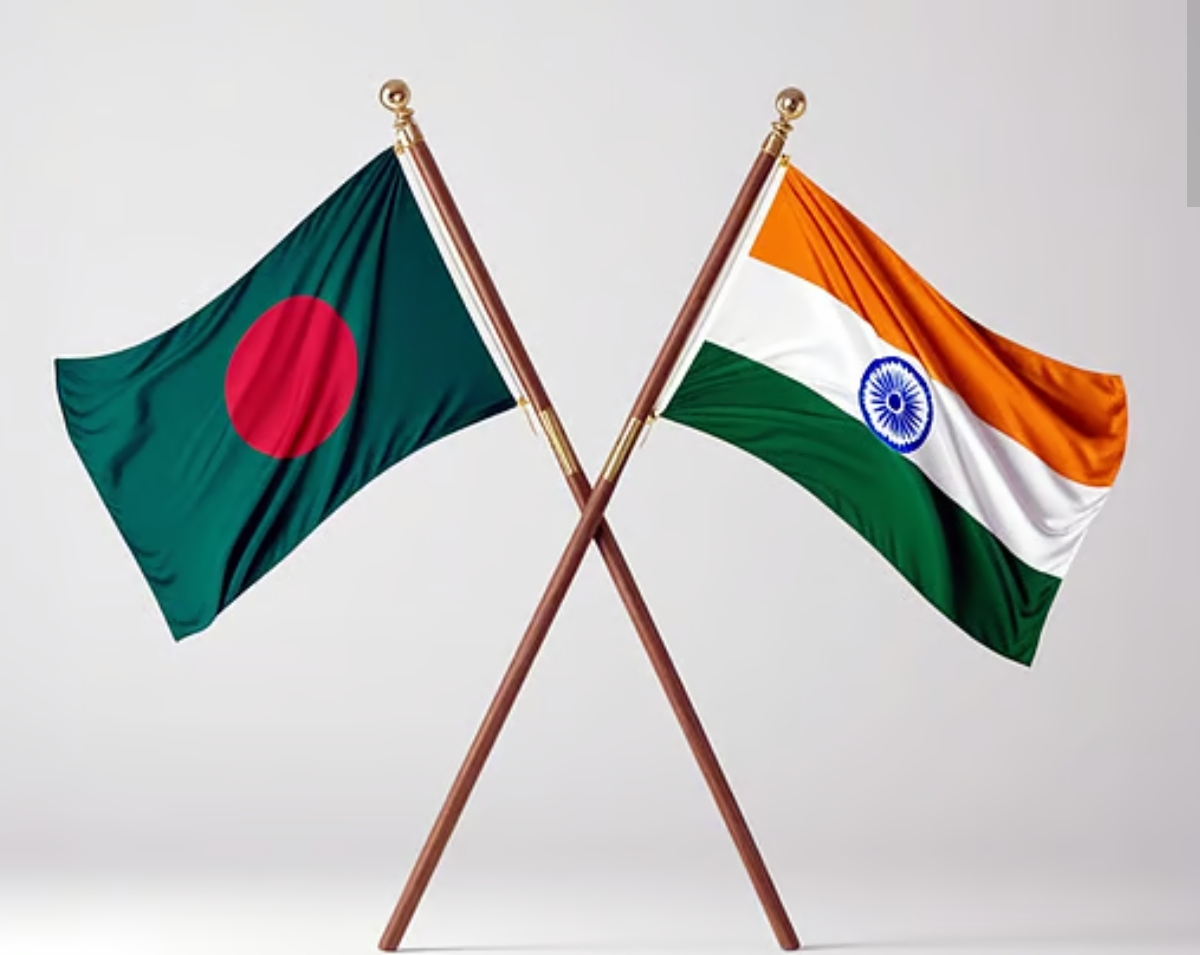
Diplomatic analysts say Bangladesh–India relations have remained strained for the past 16 months, with recent developments adding a new dimension to the tension. The situation intensified after the election schedule for the 13th National Parliament was announced on 11 December.
Following the announcement, Sheikh Hasina and leaders of the Awami League issued statements opposing both the interim government and the upcoming election.
The day after the schedule was declared, on 12 December, Sharif Osman Bin Hadi—considered a potential candidate from the Dhaka-8 constituency and a supporter of the July mass uprising—was shot in an apparent attempt on his life. Hadi, who is also the convener of the Inkilab Mancha platform, is currently in critical condition and receiving treatment at a hospital in Singapore. There is widespread discussion that those involved in the attack fled to India.
Against this backdrop, the Ministry of Foreign Affairs summoned Indian High Commissioner Pranay Verma on 14 December. Bangladesh conveyed its expectation that India would take prompt steps to stop deposed Prime Minister Sheikh Hasina, who is currently in India, from engaging in activities deemed hostile to Bangladesh. Dhaka also urged New Delhi to arrest and repatriate any suspects involved in the attempted killing of Hadi should they have entered Indian territory.
In response, India’s Ministry of External Affairs issued a statement saying Indian soil is never allowed to be used for actions that go against the interests of the friendly people of Bangladesh. The statement reiterated India’s consistent support for holding a peaceful, free, fair, inclusive, and credible election in Bangladesh. India also expressed its expectation that the interim government would take all necessary measures, including maintaining law and order, to ensure a peaceful electoral environment.
“No Need for Sermons on Elections”
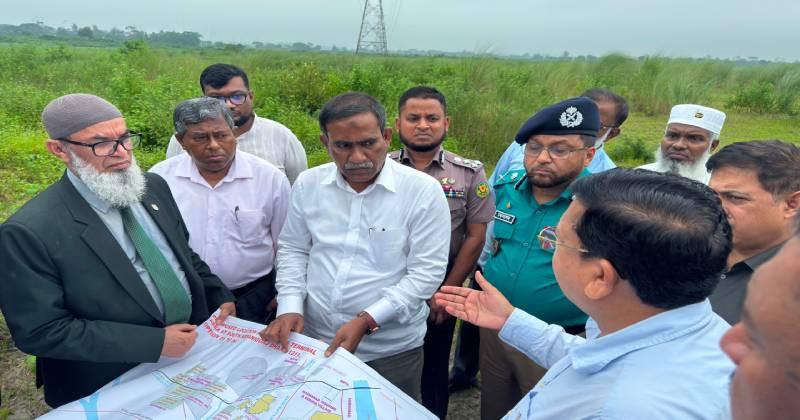
Speaking to journalists at the foreign ministry on Wednesday, Foreign Affairs Adviser Touhid Hossain addressed recent developments, including the summoning of Bangladesh’s High Commissioner in New Delhi and India’s public comments on the election.
Asked whether bilateral relations are entering a new phase of strain following recent events, Hossain said Bangladesh has always sought a “good to working relationship” with India, but such a relationship requires effort from both sides. He acknowledged that progress has been limited, which is why tensions persist.
Referring to India’s recent remarks, Hossain said Bangladesh does not believe there is any need for external “advice” on how its elections should be conducted. “We do not seek guidance from neighbouring countries on what our elections should look like,” he said.
He reiterated that the interim government has consistently stated its intention to hold elections of a very high standard, aiming to create an environment where citizens feel encouraged to vote—an environment he said had not existed for the past 15 years.
India’s comments unacceptable, Hossain pointed out that during the previous 15 years, when relations between India and the then government were exceptionally warm, India remained silent despite elections that many viewed as farcical. “Now, when we are moving toward a genuinely credible election, there is no justification for offering us advice,” he added.
“We Cannot Stop Her Ourselves”
Despite repeated requests from Dhaka, Sheikh Hasina—currently in India—continues to make statements critical of Bangladesh. Asked about Bangladesh’s next steps, Hossain said, “If India chooses not to stop her, there is nothing we can do. That is a reality we have to accept. However, we do expect India to restrain her.”
He warned that Sheikh Hasina’s provocative remarks could undermine the improving election environment in Bangladesh and said Dhaka would view any effort to curb such statements as a positive step.
Responding to a question about Indian Prime Minister Narendra Modi’s Victory Day message, which did not mention Bangladesh by name, Hossain said those who attempt to portray the Liberation War as merely an India-Pakistan conflict lack basic understanding of military history. He emphasized that victory would not have been possible without the sacrifices of Bangladesh’s freedom fighters.